Seven Farms, Seven Starting Points
Back in April, we shared that our seven farms would let us explore how a regenerative transition can be adapted across different crops, soils, and farming systems. Now that our techincal team has spent time on the ground with each farm, we have developed a clearer understanding of each farm’s transition pathway.
No two farms are starting from the same place. Some of our farms have soils that are low in carbon and quite dense and compacted, so for them, the priority is carbon-first restoration: rebuilding organic matter and structure from the ground up. Others are less about carbon and more about terrain. For example, for farms on sloped land, such as Muhd Ammar Bin Ismail's farm and Green Acres, erosion and runoff are the more urgent concerns, so their pathways centre on cover and erosion control first. For other farms, including Thavana Farm in Penang, the biggest constraint isn’t carbon, but soil acidity, which requires a slower, more phased approach guided by careful ongoing management. A few farms sit somewhere in between, needing a combination of steady carbon building and structural soil buffering to support the crops they grow.
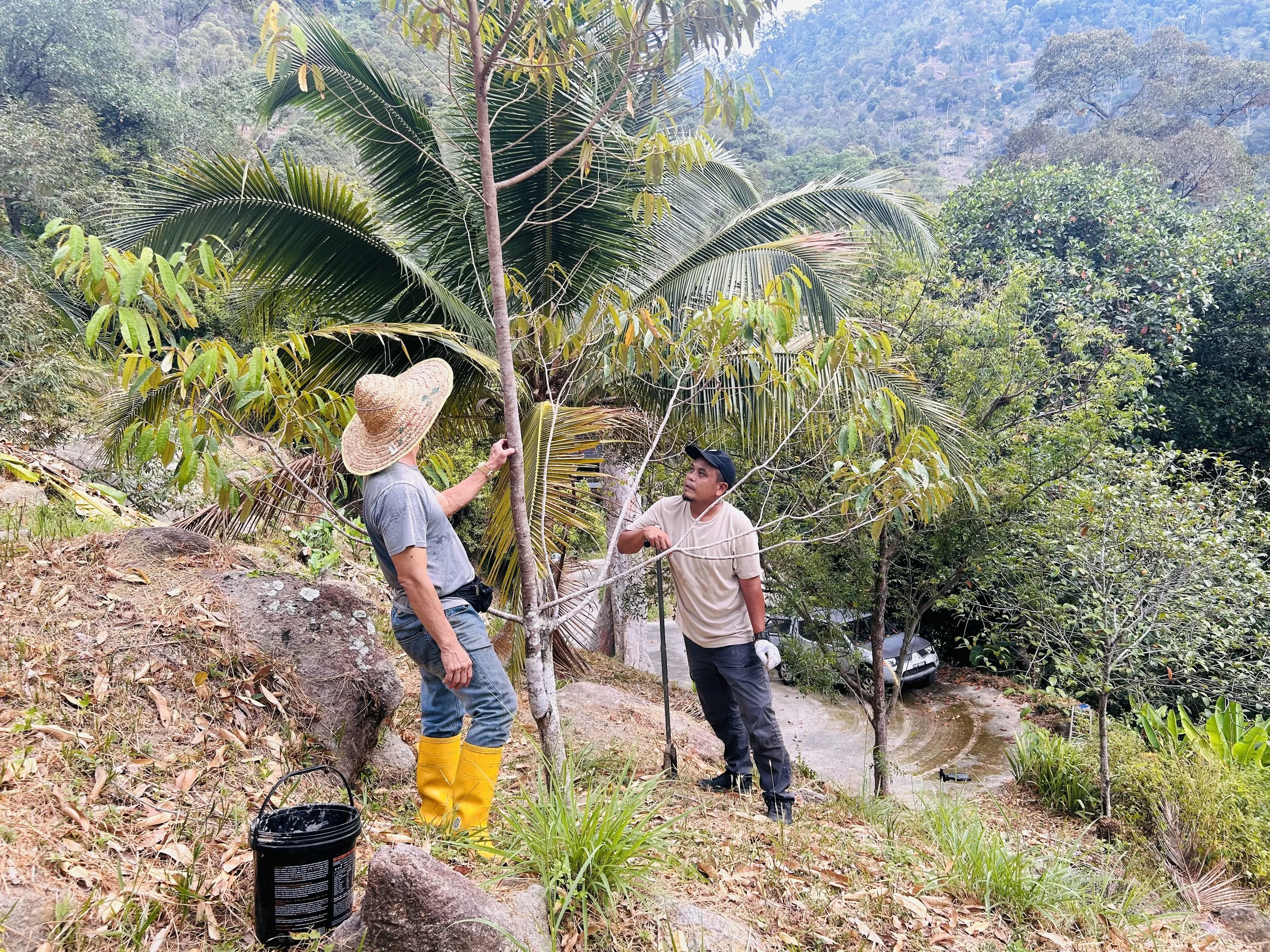
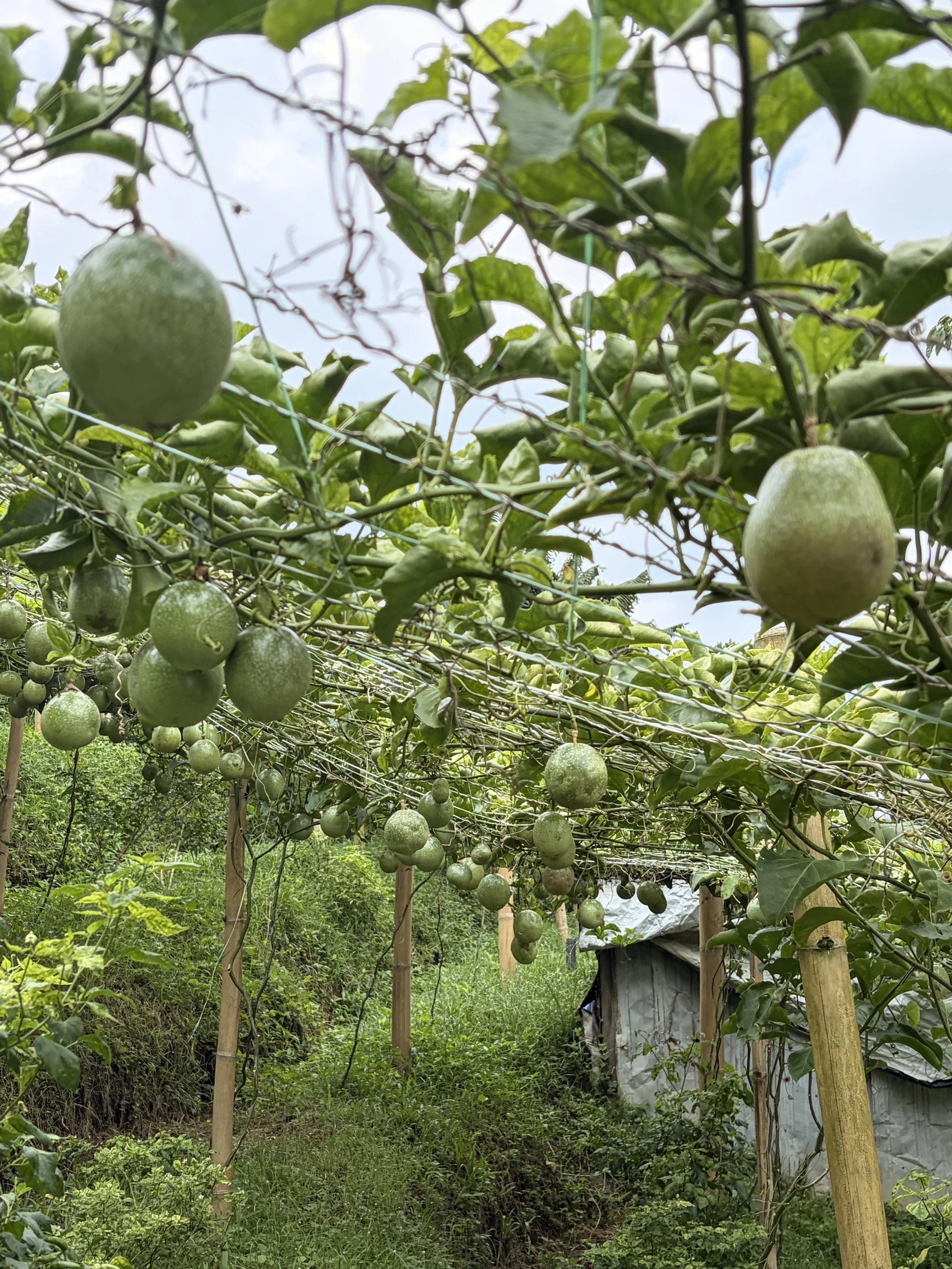
Green Acres Farm
These early results remind us of the importance of individual pathways for different farm contexts. Whether it's a different starting point, constraint, or opportunities, each farm requires its own tailored masterplan. These lessons are what will allow us to translate the pilot into a useful blueprint when scaling regenerative agriculture across Malaysia.
From Plans to the Field
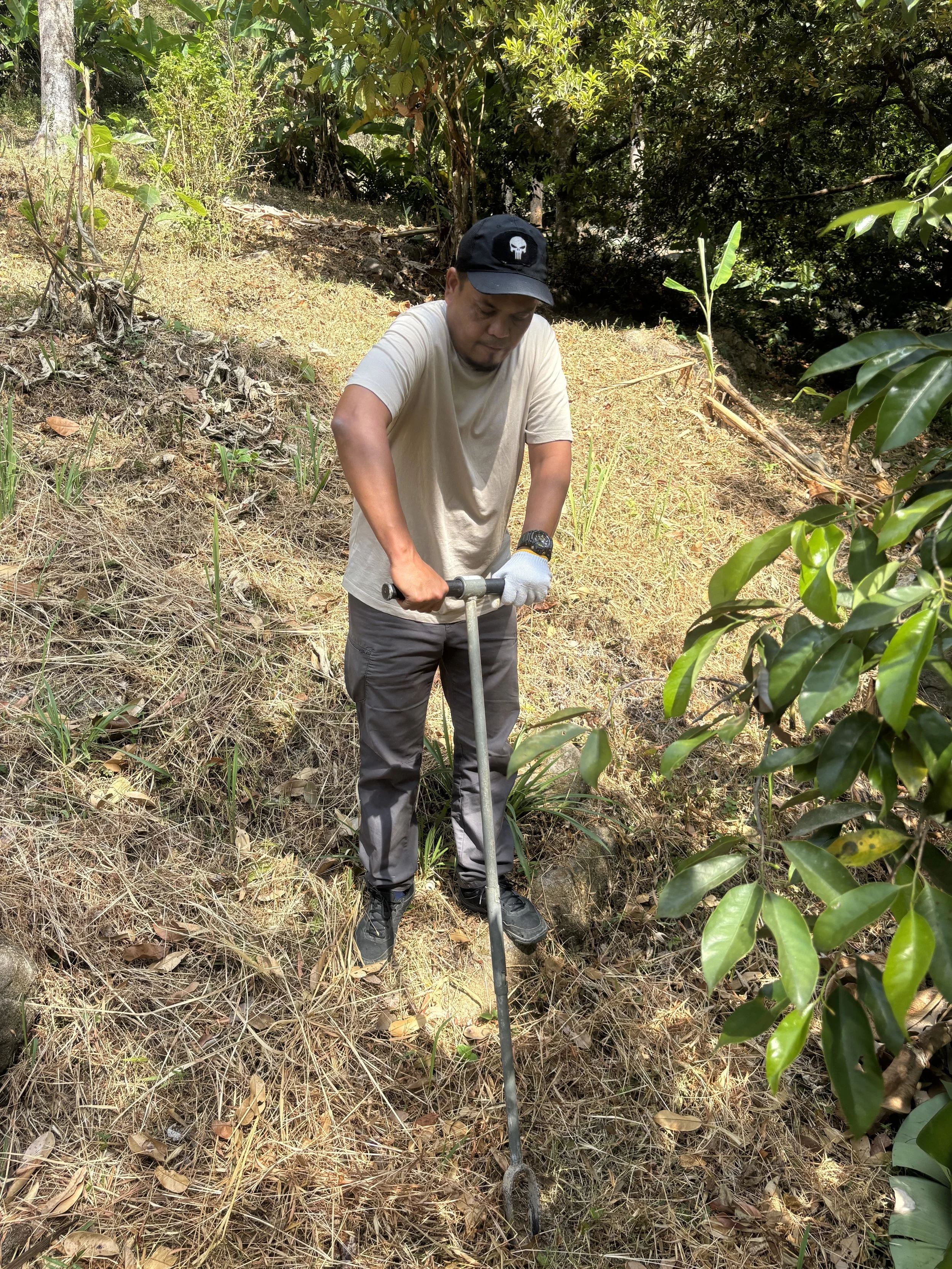
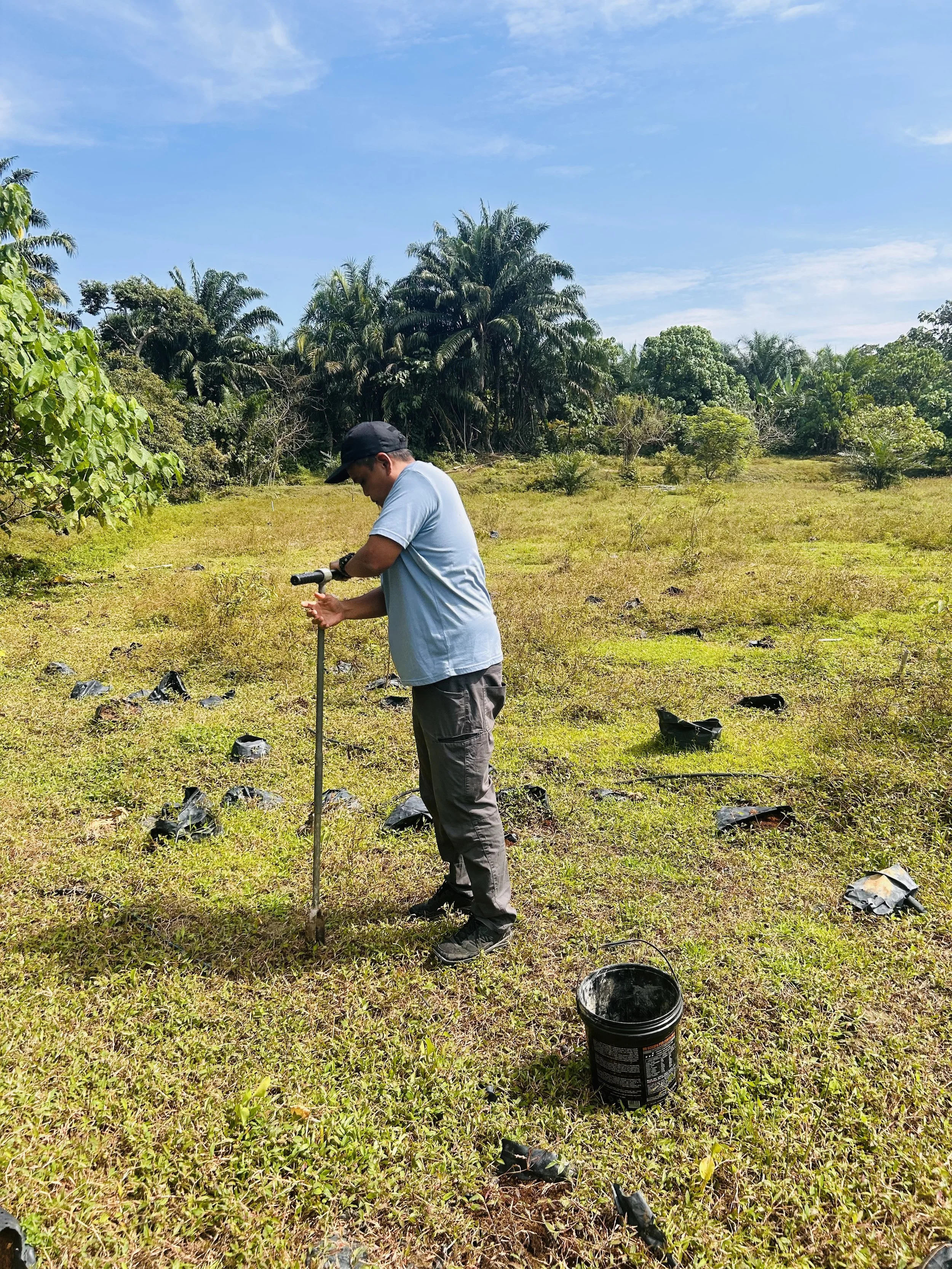
Our scientific team in the field
With farm-specific plans prepared, we are now shifting from paper to practice. Our technical team has scheduled monthly visits to each farm to support and monitor how the transition is unfolding on the ground.
We've also kicked off our first round of field verification, spending time on each farm to see firsthand how implementation is progressing. Most of our seven farms have already had their first monitoring visit, with the rest following close behind.
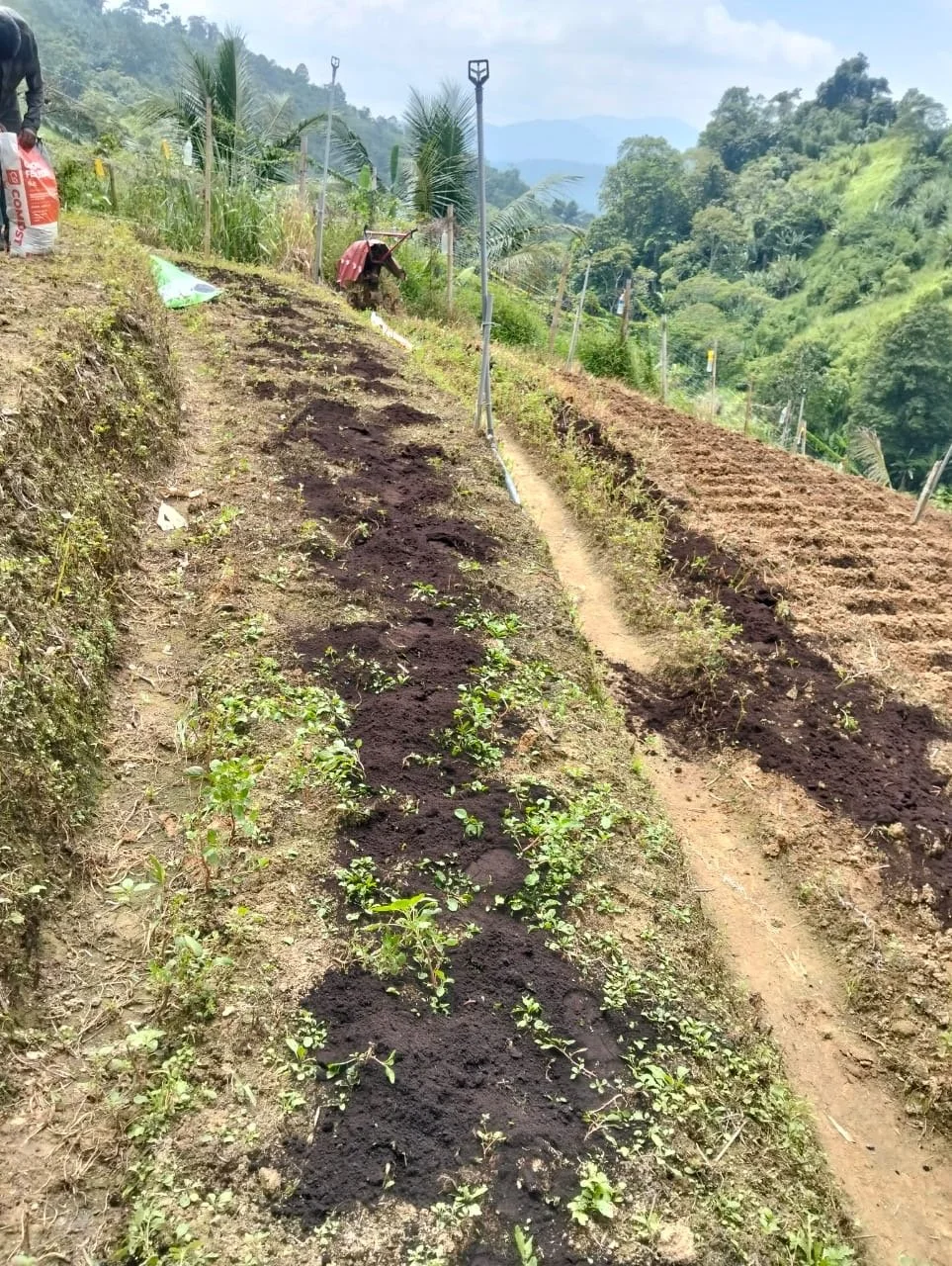
What this looks like on the ground is similar to the early, foundational work of any transition: mapping out farm boundaries, setting up input logbooks to track what's being used and applied, and beginning to put key practices into motion, from incorporating compost to introducing cover cropping. For a farm that’s managing steep slopes, this stage looks like closely monitoring erosion. For a farm that's further down the line in embracing regenerative practices, the focus is on refining and documenting what's already working. What’s important is that there is no one-size-fits-all approach, and every farm's progress moves at a different pace.
Looking Ahead
Over the coming months, we'll continue our monthly visits and hands-on support to each farm as the transition takes hold. We're also working toward a mid-point review of the pilot later this year, which will serve as a chance to reflect on what we’ve learned and adapt where needed.
Through it all, our goal remains the same: to show that a regenerative transition can be tailored to diverse farm conditions while still adding up to one coherent, replicable model that can inform how we scale this work across Malaysia in the future.
We're deeply grateful to our seven farmers for their continued trust and commitment as this work takes root. Their willingness to learn and adapt is what makes this pilot possible.
Stay tuned for our next update, where we'll share more from the field, including stories from the farmers themselves as their regenerative journeys continue to unfold. In the meantime, you can read more updates from individual farms here!