Building Resilience from the Ground Up: Final Project Updates from our Model Farms in Nepal
We've just wrapped up our regional project with reNature and local partner The Green Intelligence in Nepal. This 18-month project began with two model farms and grew into a bigger story about soil, trust, and what it takes to partner with farmers to build resilience in a changing climate.
Nepal is one of the world's ten most climate-vulnerable countries, and more than 60% of its population depends on agriculture for their income. Recent climate disasters have shown that building resilience into these farming systems is increasingly essential for communities that can be upended without warning.


The Model
For the past 18 months, we've worked with reNature and The Green Intelligence to establish a new model farm in Sunkhani and enhance an existing one in Dhulikhel, both in Nepal's mid-hill region. These hills are prone to soil erosion and landslides during heavy monsoon rains, and long histories of monoculture have left many soils depleted. The two 0.5-hectare farms were designed to tackle soil degradation, water scarcity, and low productivity, while doubling as learning hubs where farmers could see regenerative practices in action.
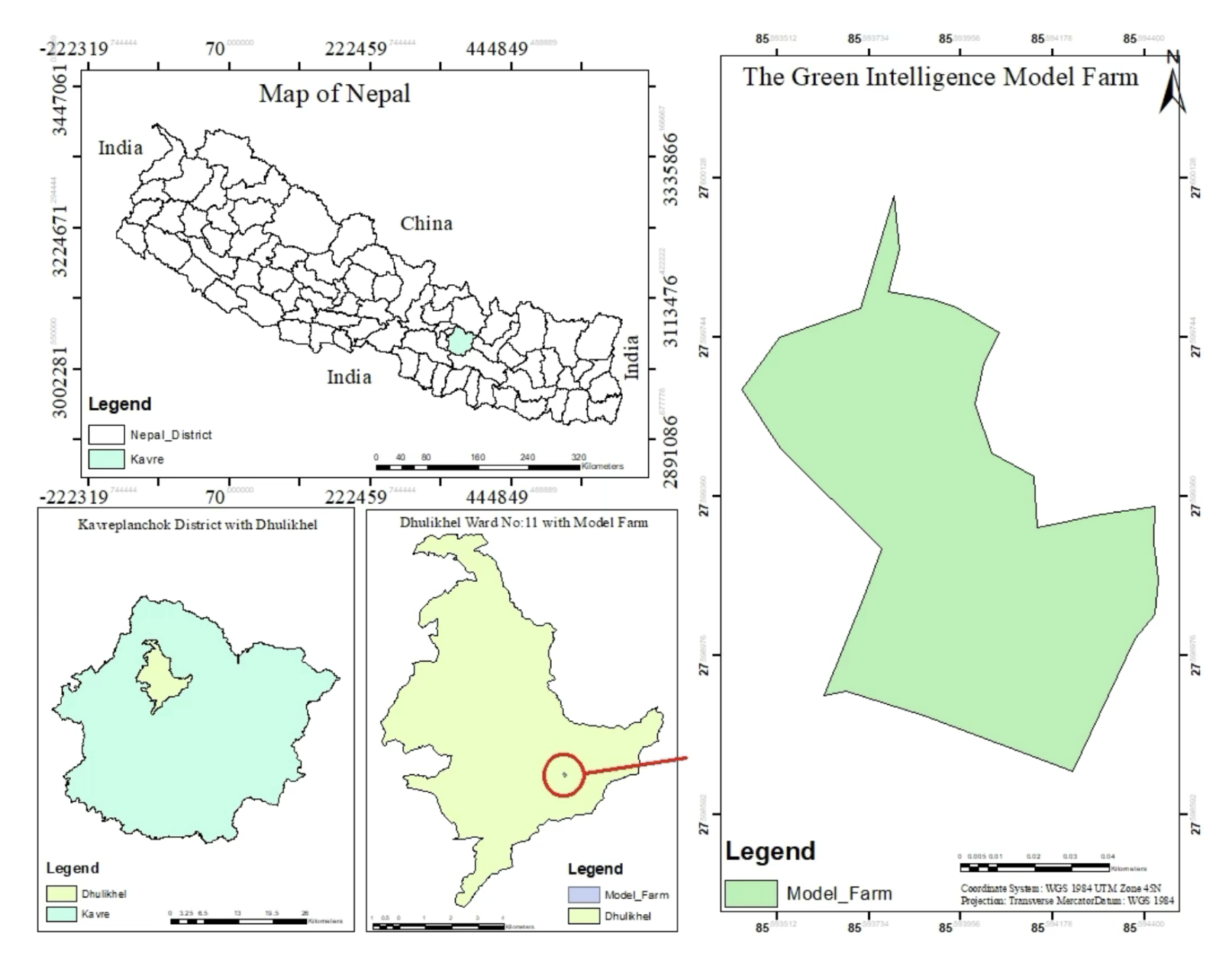
Map of Dhulikhel Model Farm
Both sites face increasingly erratic rainfall, which raises the risk of drought and flooding alike. Sunkhani (1,470-1,510m) sits higher than Dhulikel (1,270-1,320m) and is more remote, with less access to technical support and markets. Both farms used agroforestry, integrating high-value crops like coffee, lemon, and macadamia to boost incomes alongside soil health, water retention, and biodiversity.
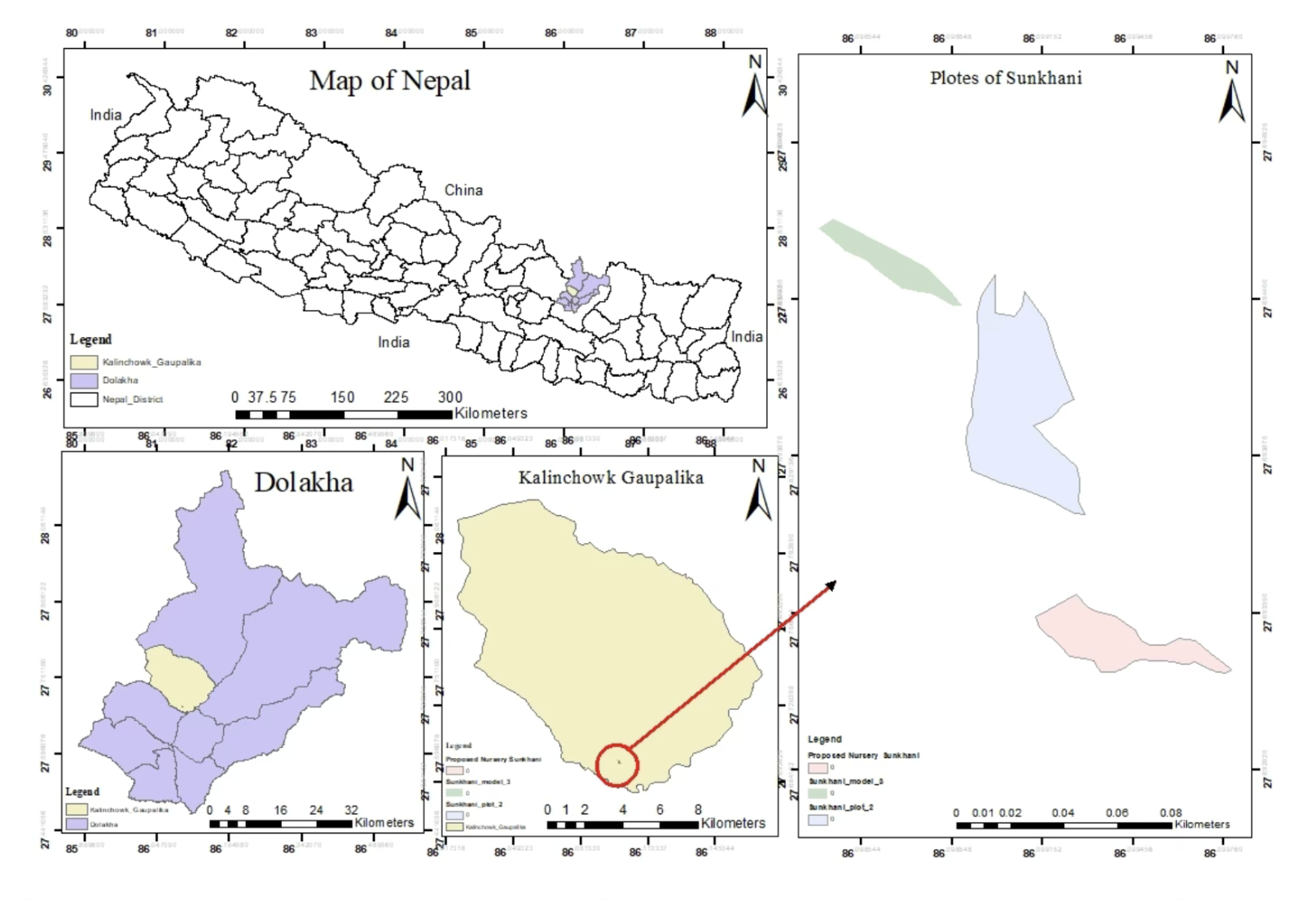
Map of Sunkhani Model Farm
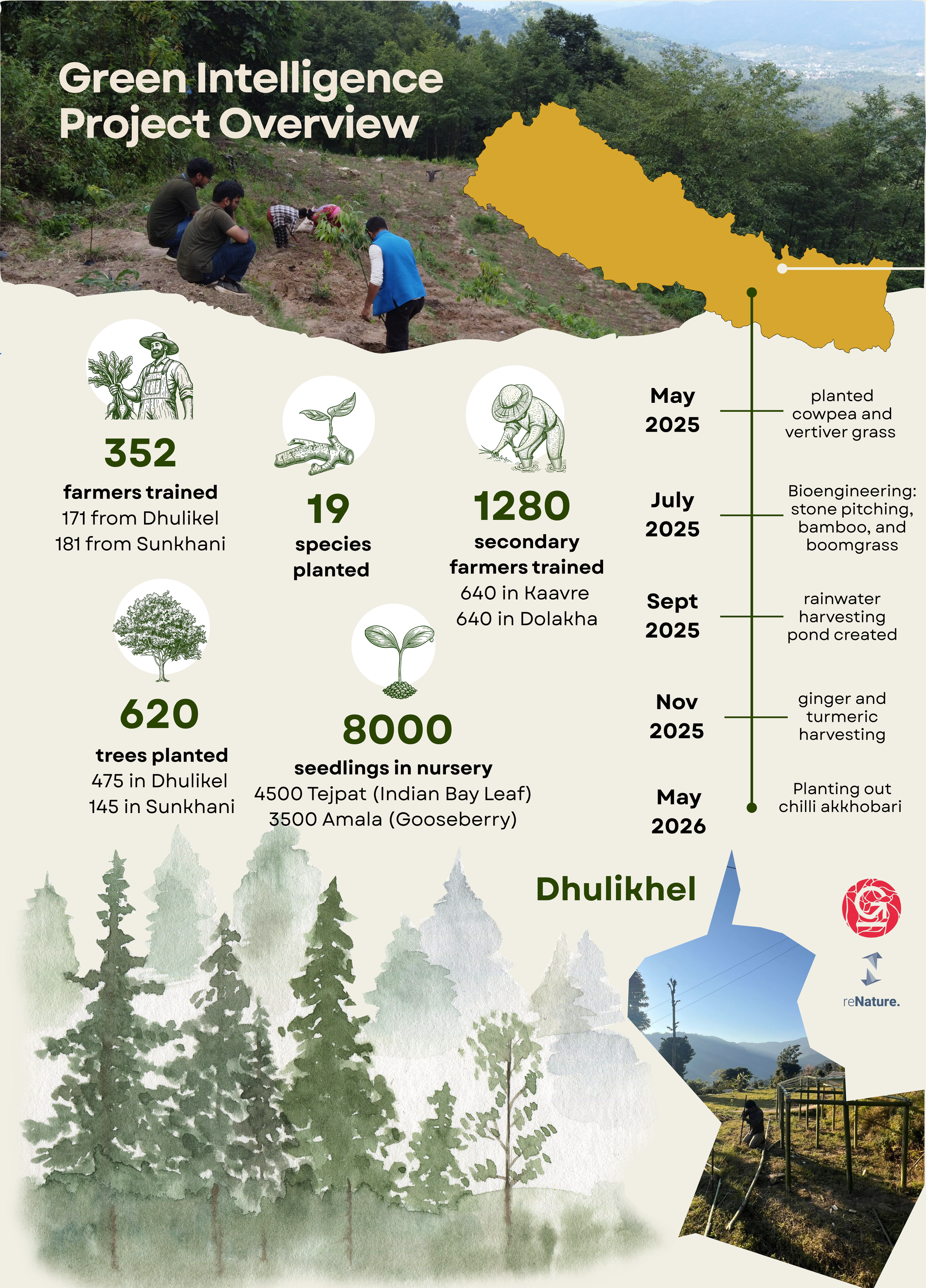
The project's reach extended well beyond the farms. 352 farmers (171 in Dhulikel, 181 in Sunkhani) were trained directly in soil and water management, mulching, composting, and manure application. Through a train-the-trainer model, 72 lead farmers then trained a further 1,280 farmers (640 in Kavre, 640 in Dolakha). The on-site nursery has produced more than 8,000 seedlings, well above the original target of 5,000, reaching 981 farmers across Green Intelligence's project sites.
Soil Improvements
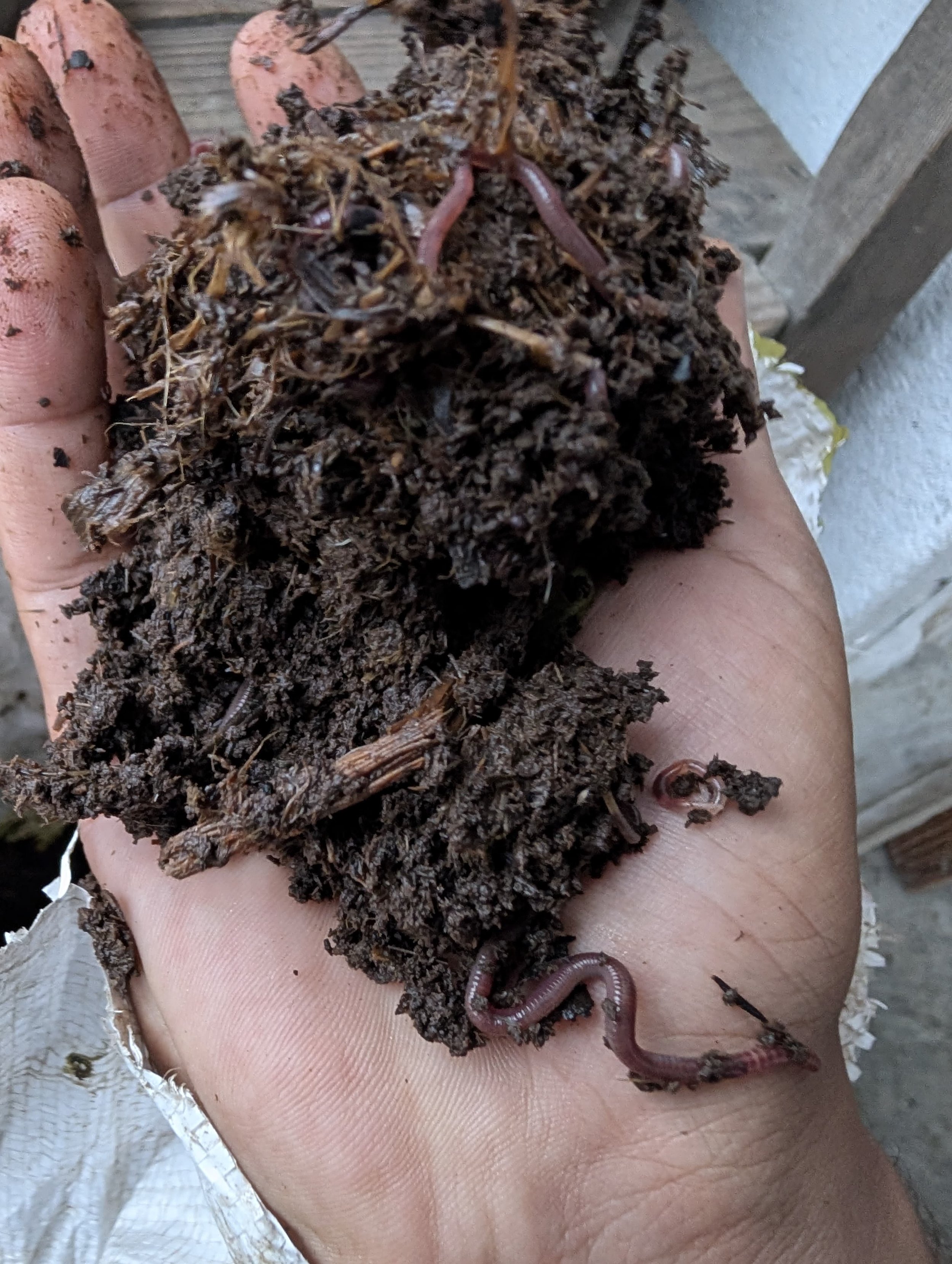
Improving soil organic matter is at the heart of regenerative agriculture, and the results so far are promising. In Dhulikel, monitoring since January 2024 has shown improvements across every indicator we track, including pH, nitrogen, phosphorus, potassium, Soil Organic Carbon (SOC), and Soil Organic Matter (SOM).
Sunkhani tells a more mixed story: while SOC and SOM both increased meaningfully, pH, nitrogen, and phosphorus all declined. A few factors are likely at play: monsoon rainfall is naturally slightly acidic, the timing of data collection coincided with recent manure and mulch applications (which can trigger short-term chemical reactions in the soil), and some phosphorus loss may be attributable to leaching. Because the follow-up sample for Sunkhani was analysed at a different (local) laboratory than the original baseline sample, we also can't yet rule out methodological differences between labs as a contributing factor. Re-sampling is currently underway at the original Kathmandu laboratory, and we'll hold off on drawing firm conclusions until that analysis is in.
Assessing Agroecology Through the FAO TAPE
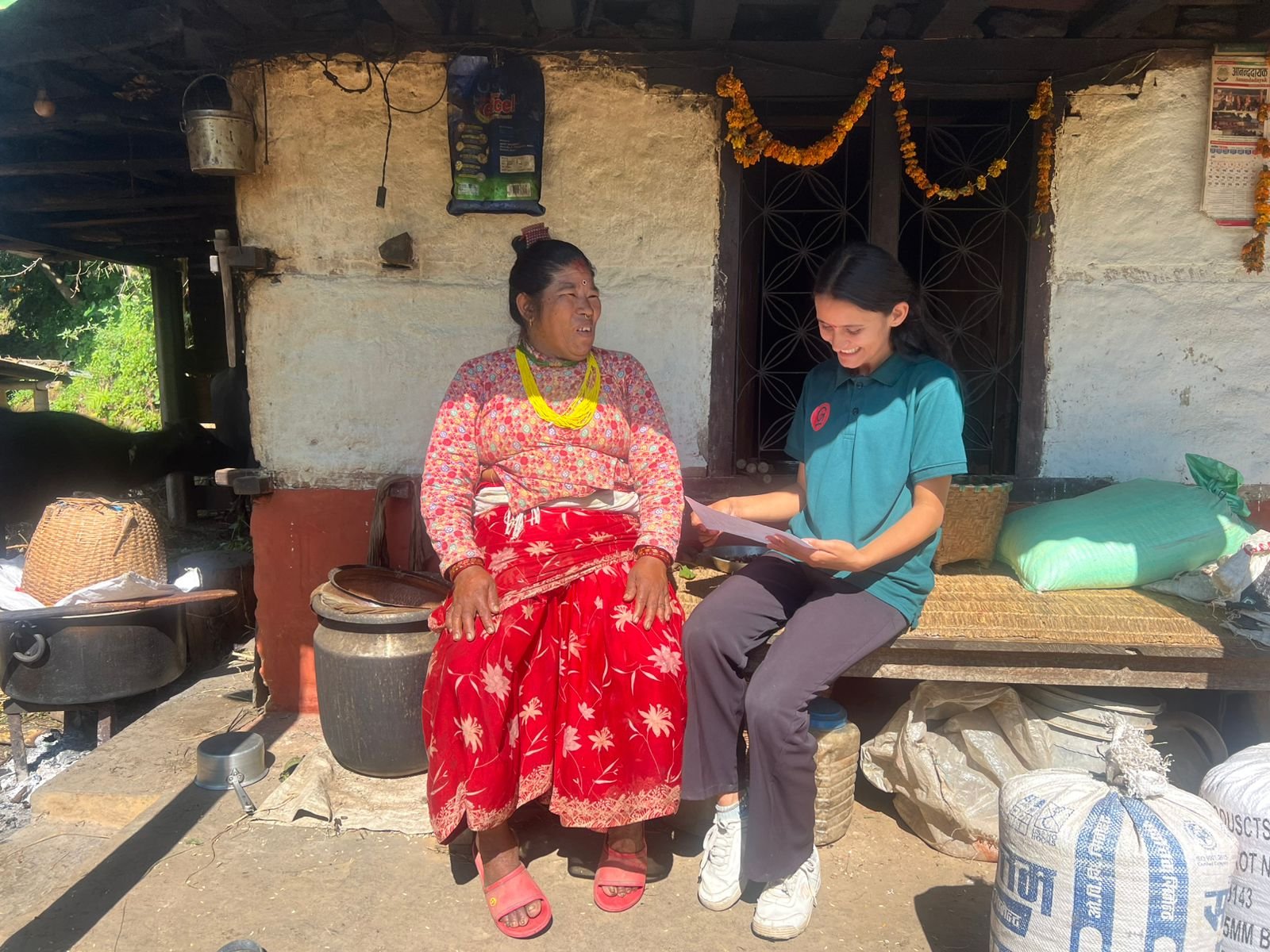
Th Green Intelligence team conducting FAO TAPE interviews
We applied the FAO's Tool for Agroecology Performance Evaluation (TAPE) across both sites, interviewing 20 farmers (10 per site). Both scored strongest in Diversity and Synergies and in Culture and Food Traditions. Resilience and Efficiency and Recycling lagged, reflecting limited financial and institutional support and continued reliance on synthetic inputs. The clearest takeaway was on finance. Farmer-accessible options like Village Savings and Loan Associations (VSLAs) are needed to de-risk the transition, and financing has to be a core pillar rather than an afterthought. Read the full TAPE findings here.
Key Learnings
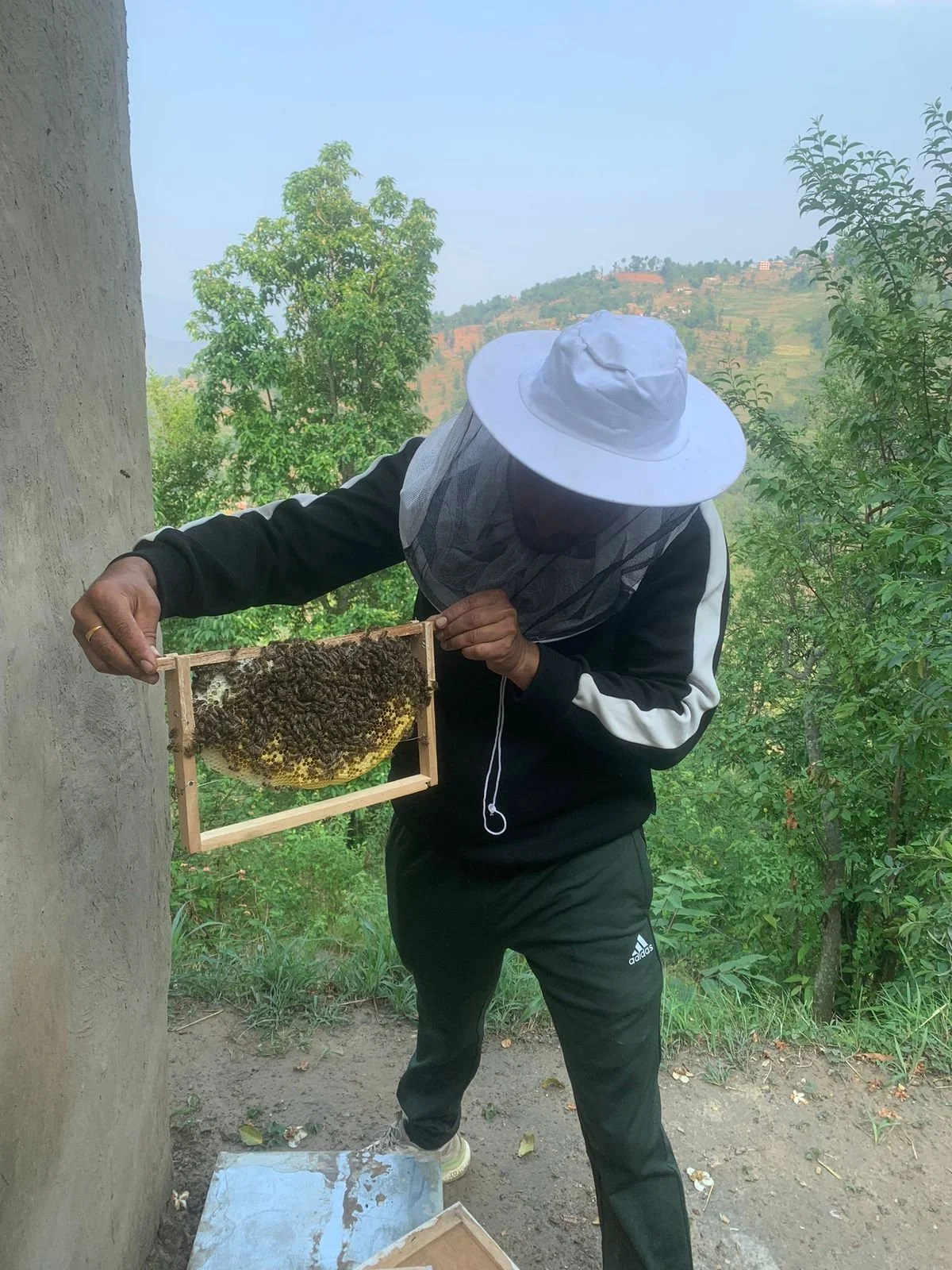
Farmer holding up honey harvest
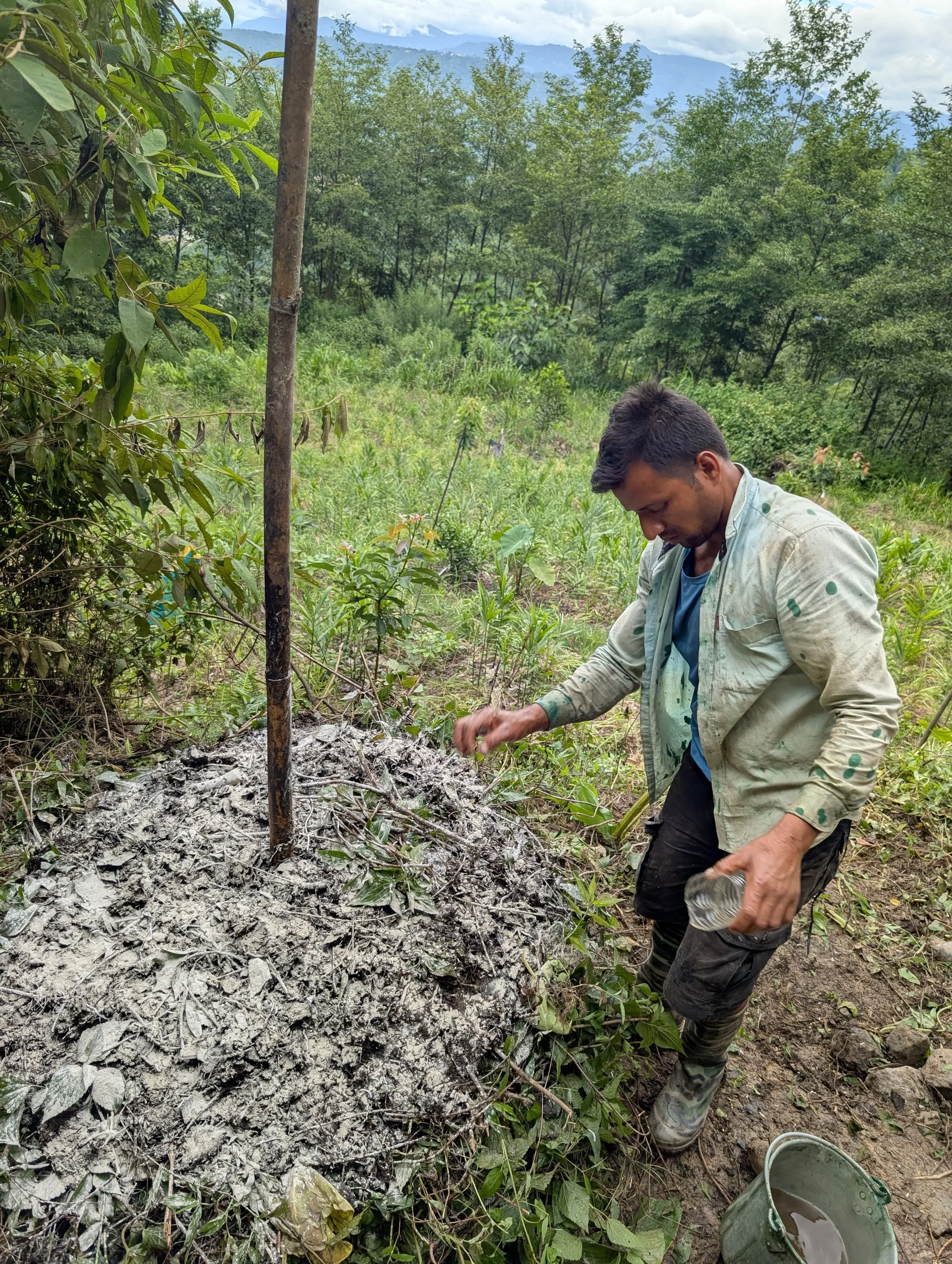
Across both farms, more than 11 soil conservation techniques were tested and applied, demonstrating the range of approaches available to improve soil health, biodiversity, water management, and climate resilience. Many of these leaned on traditional knowledge and locally available resources, proving the value of local varieties and materials.
Some notable initiatives:
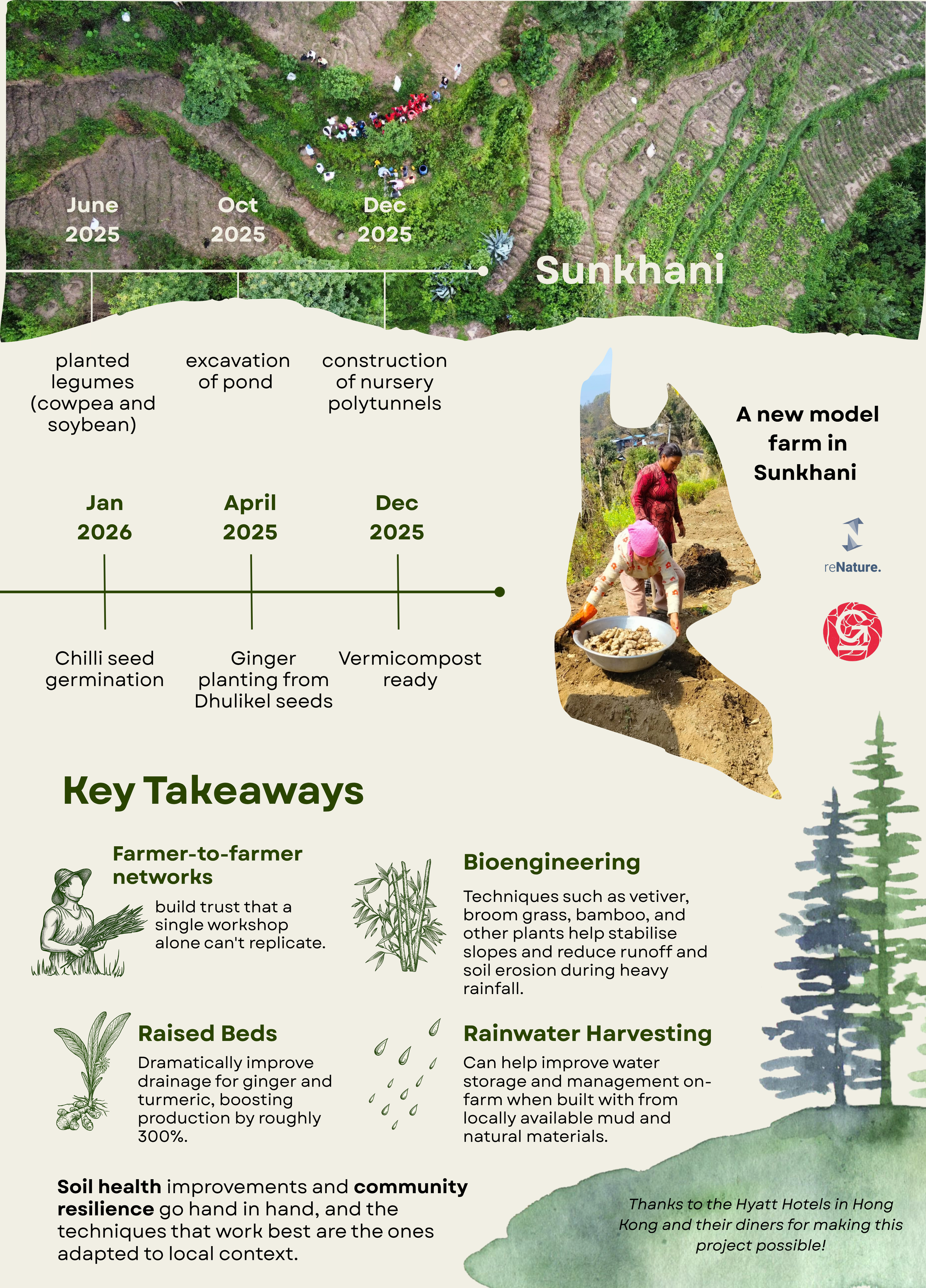
Raised beds dramatically improved drainage for ginger and turmeric, boosting production by roughly 300%.
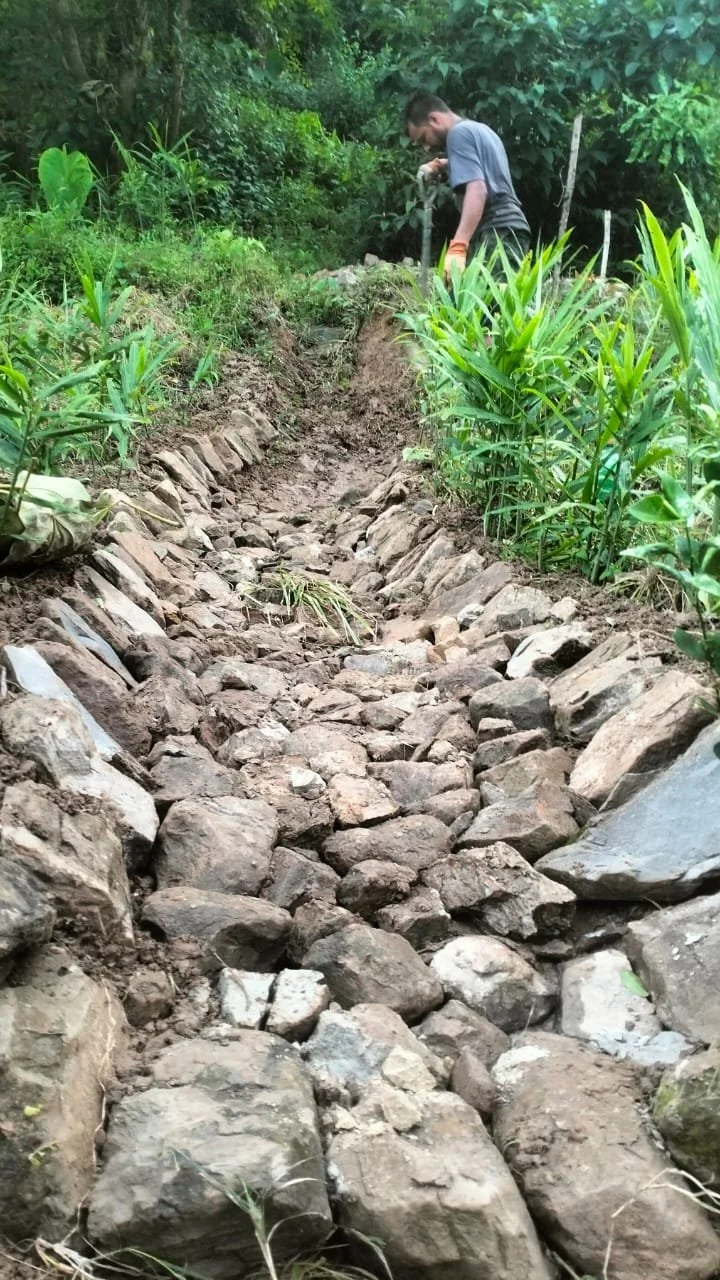
Stone pitching helped manage excess water and reduce waterlogging and root rot, especially important in a region defined by heavy rainfall.
Marigold, a flowering plant, was integrated as a natural pest management and pollination solution, attracting beneficial insects like ladybird beetles, hoverflies, and parasitoid wasps.
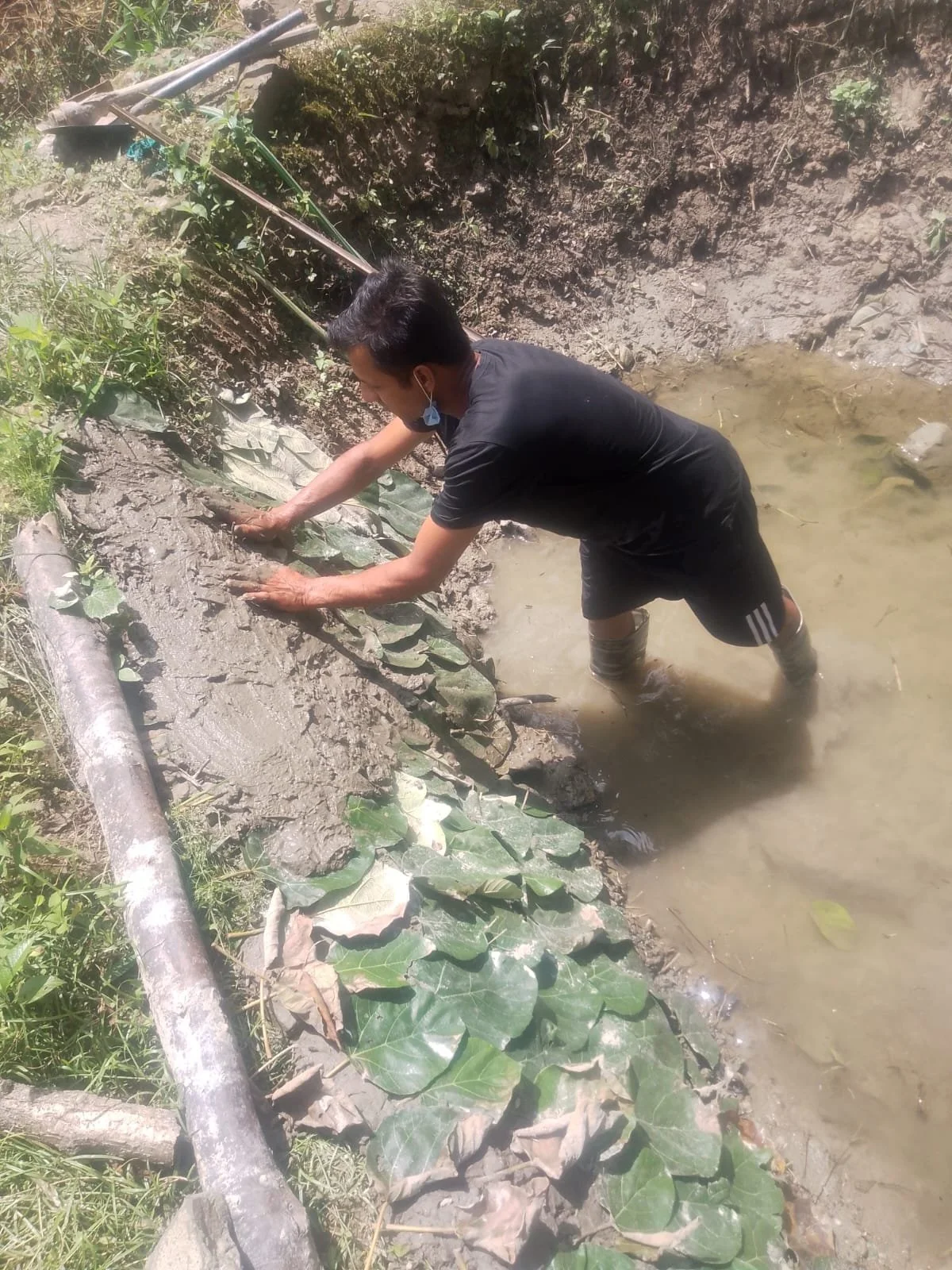
A rainwater harvesting pond, built from locally available mud and natural materials, improved water storage and management on-farm.
Bioengineering techniques such as vetiver, broom grass, bamboo, and other plants helped stabilise slopes and reduce runoff and soil erosion during heavy rainfall.
Wood-chip mulching performed particularly well at retaining soil moisture and protecting the soil surface, including for chilli crops adapted to avoid the heaviest rainfall periods.
Beehives were introduced to support pollination and biodiversity, doubling as a new income source through honey production.

Together, these results reinforce a central lesson: soil health improvements and community resilience go hand in hand, and the techniques that work best are the ones adapted to local context.
Reflections & Recommendations
As we close out this phase of the project, a few takeaways stand out for how we build on this ongoing progress. Developing crop and irrigation calendars, built around local rainfall patterns, temperature, and seasonal water availability, can help farmers plan around, rather than react to, an increasingly unpredictable climate. Strengthening raised-bed cultivation and drainage further, especially for moisture-sensitive crops like ginger, turmeric, and chilli, is another clear next step.
We also recognise that human-wildlife conflict remains a real constraint on adoption. Strengthening fencing, alongside low-cost, locally-sourced deterrents like chilli- and garlic-based repellents, is a practical way to reduce crop damage without relying on lethal methods.
Above all, the model farm-based approach to training should remain central to how we build farmer capacity going forward. The farmer-to-farmer network, where lead farmers demonstrate what works, and then cascade that knowledge to their neighbours, builds trust that a single workshop alone can't replicate.
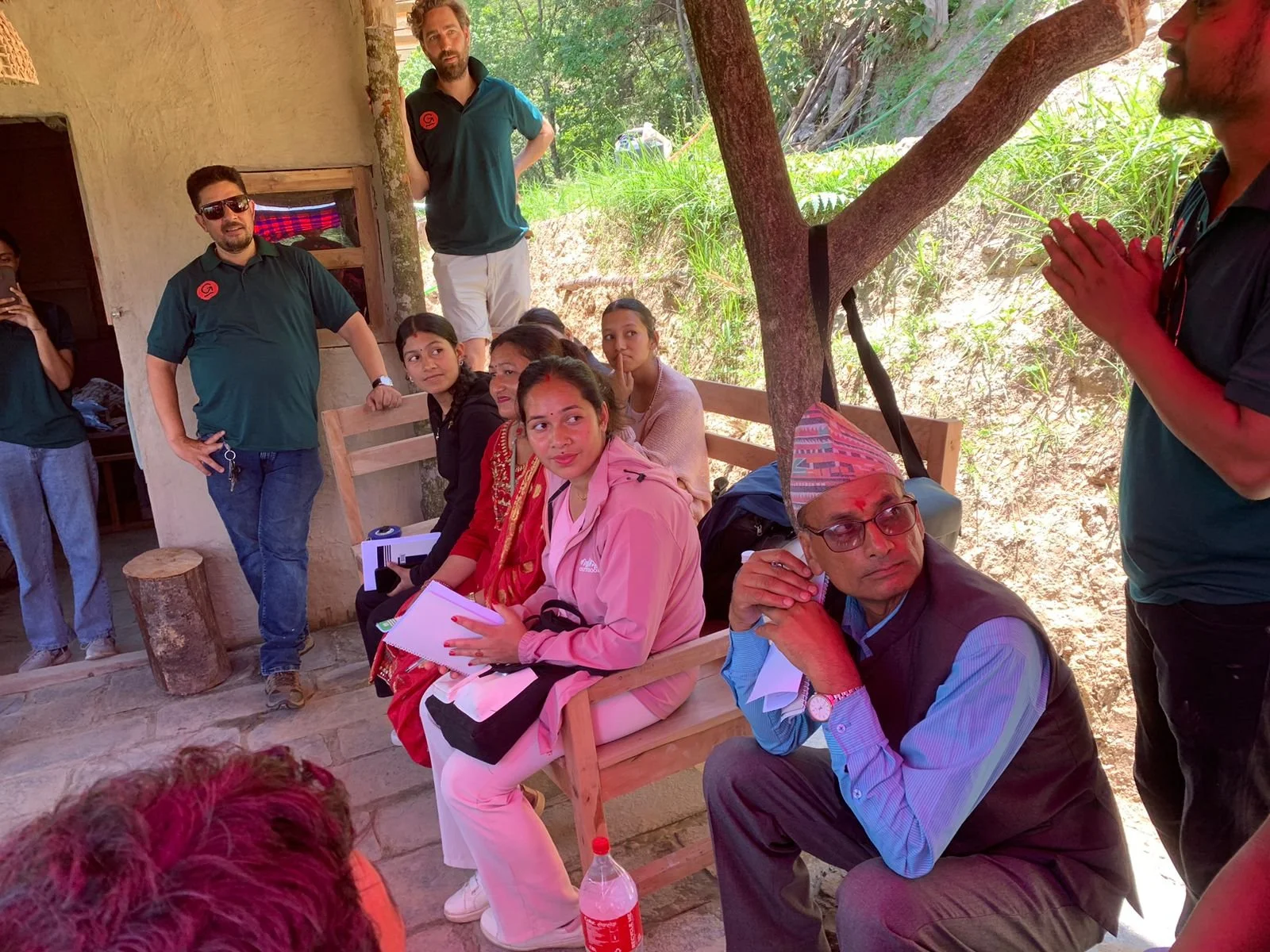
Farmer Training Session
Looking Forward
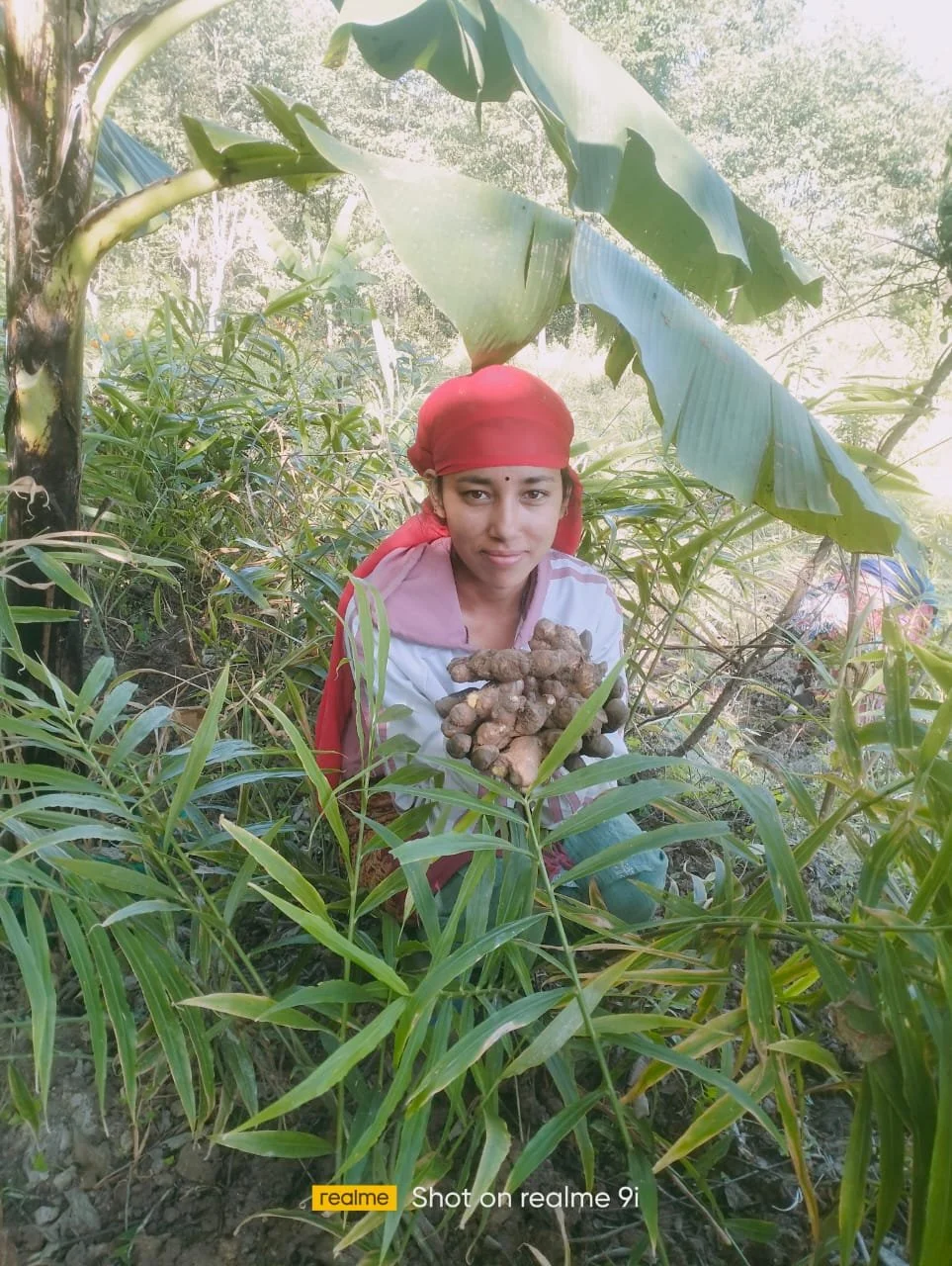
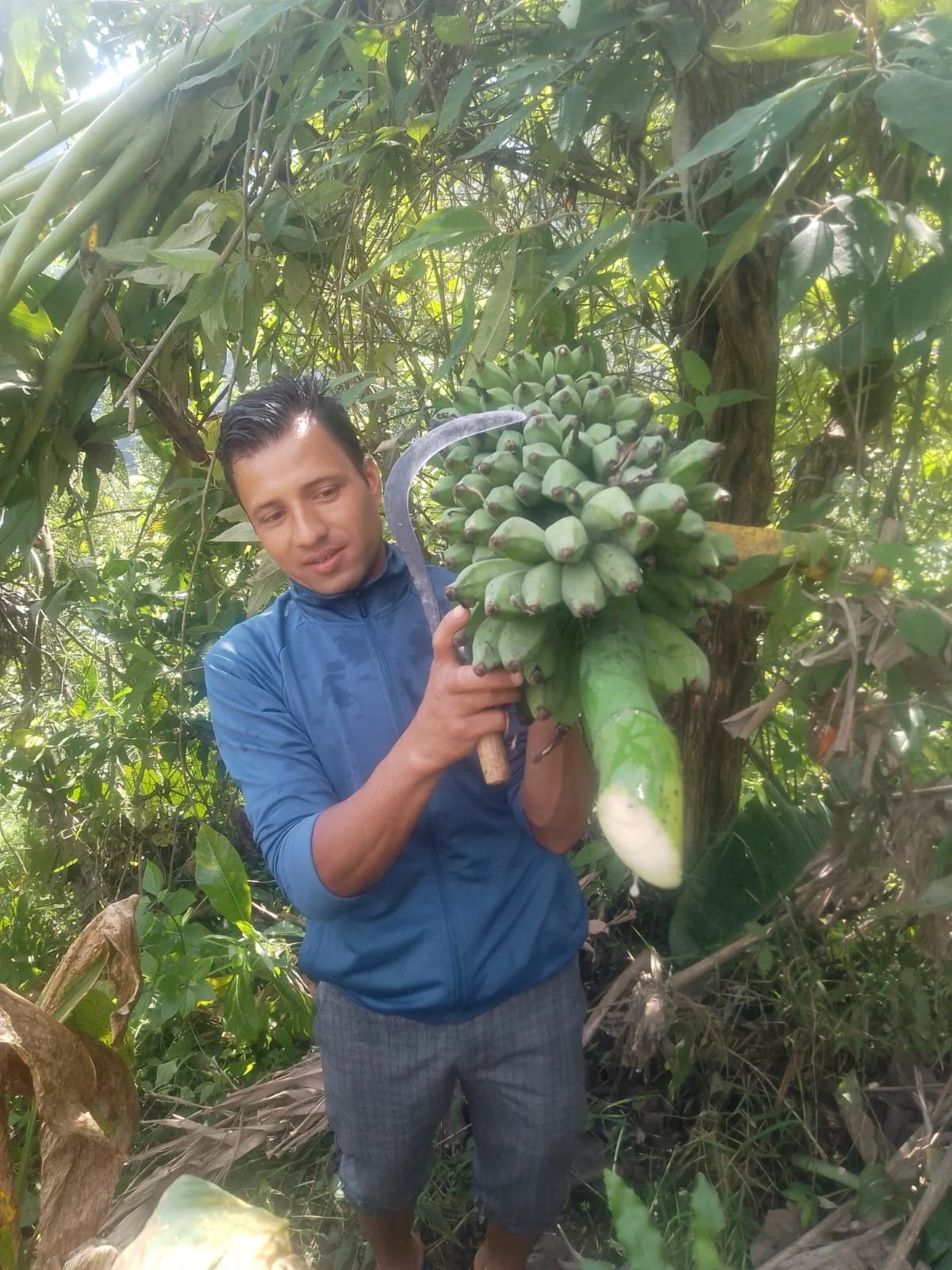
While crops have been planted and model farms established, that's only half the story. Farmers continue to stress that the biggest constraint isn't just growing regeneratively, but knowing where to sell what they grow. Solving that means building sustainable market linkages in addition to production capacity.
Building those linkages starts with understanding what's already there: the informal networks, cooperatives, and social structures that already connect these communities, and earning the trust to work within them rather than around them. Looking ahead, we're excited to bring in the right partners to help bridge the work that’s already been started on the ground.