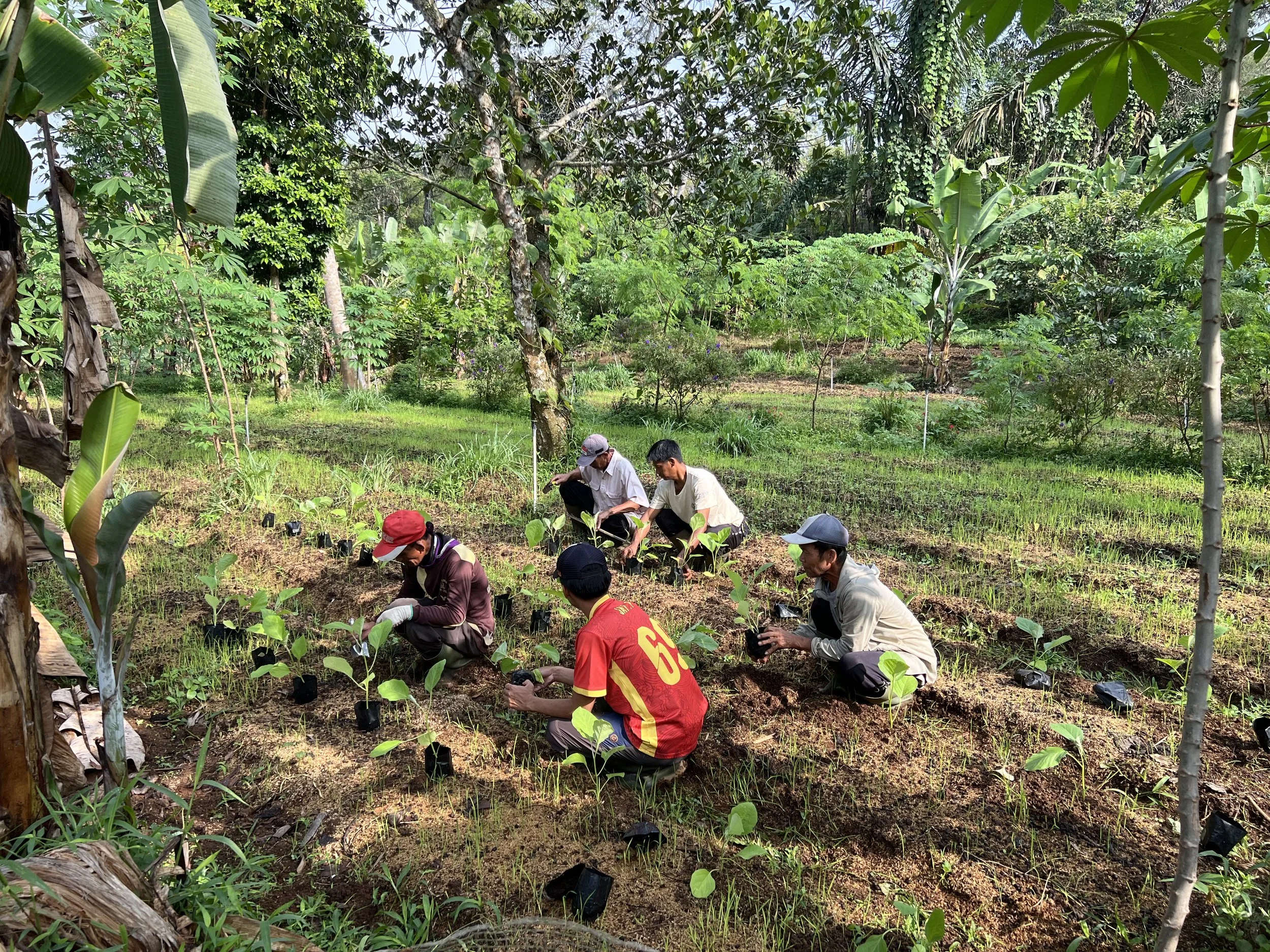
In the first quarter of our regenerative agriculture project in Sukabumi, West Java, our partners at Yayasan Cikananga Konservasi Terpadu (YCKT) and their Program Pertanian Berkelanjutan Cikananga (PPBC) focused on laying the groundwork to welcome the program's first farmers. Together, we’re supporting a farmer-centered agroecology training hub to strengthen regenerative agriculture and habitat restoration.
Cohort 1 Is Underway!
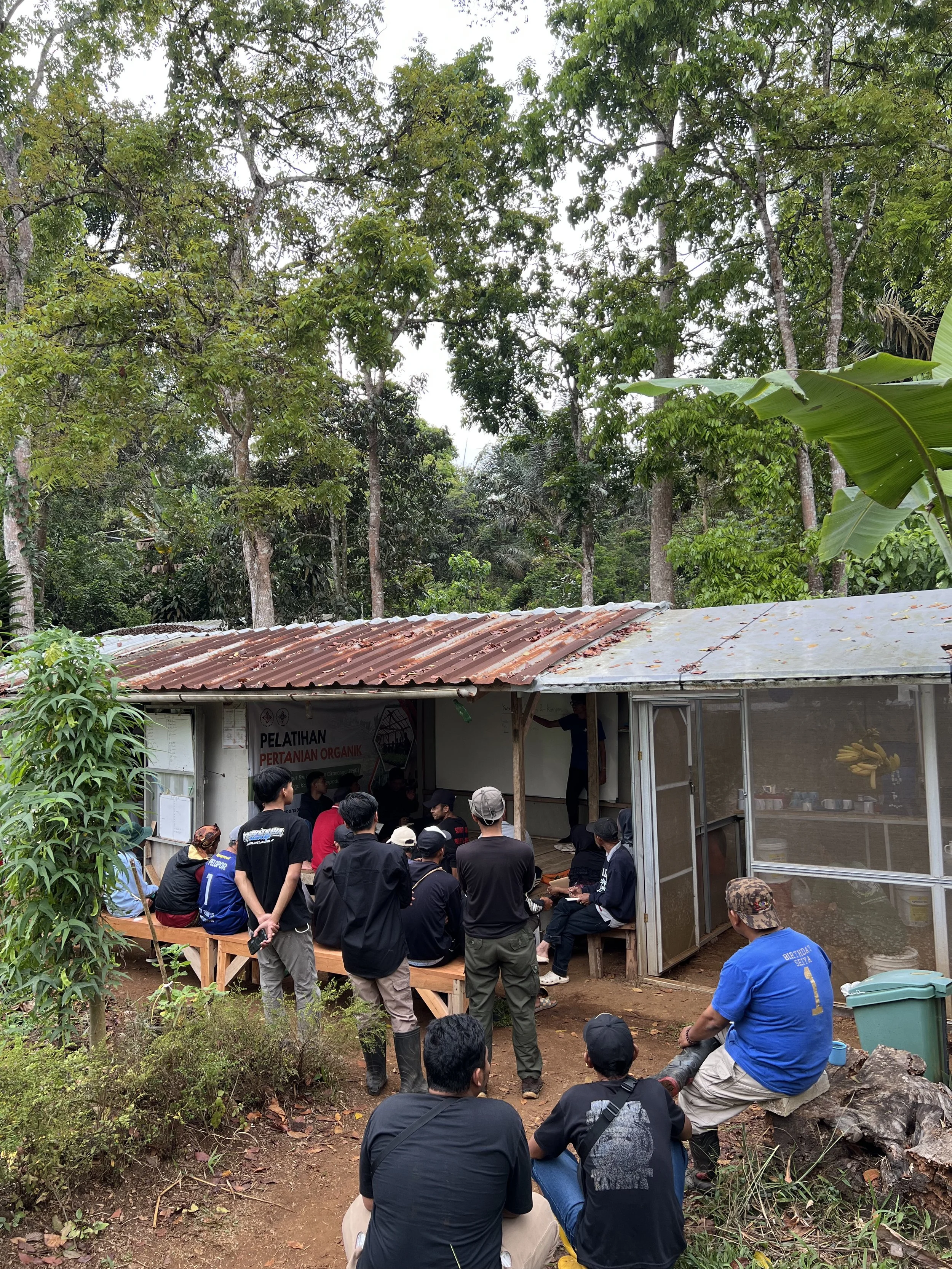
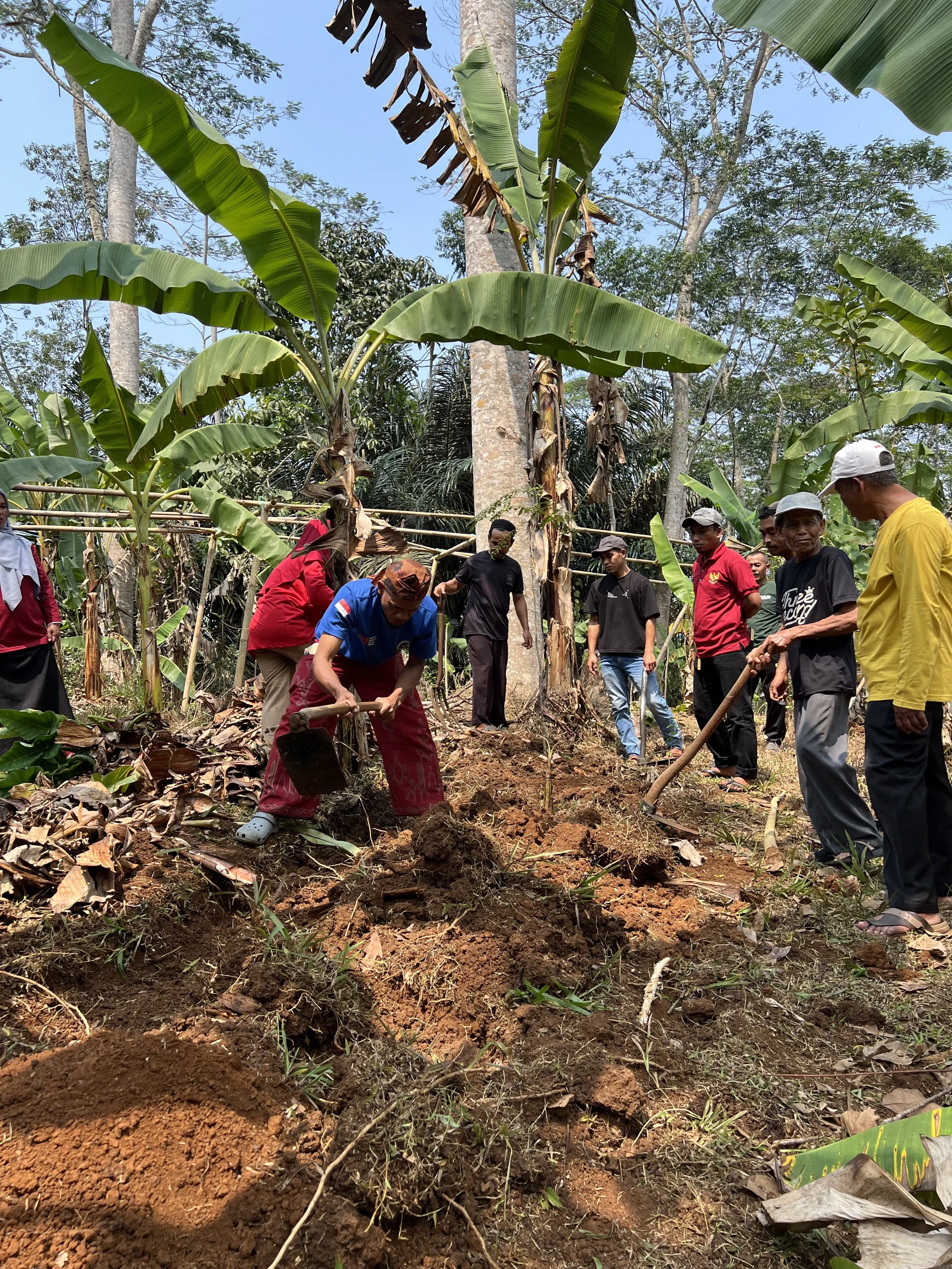
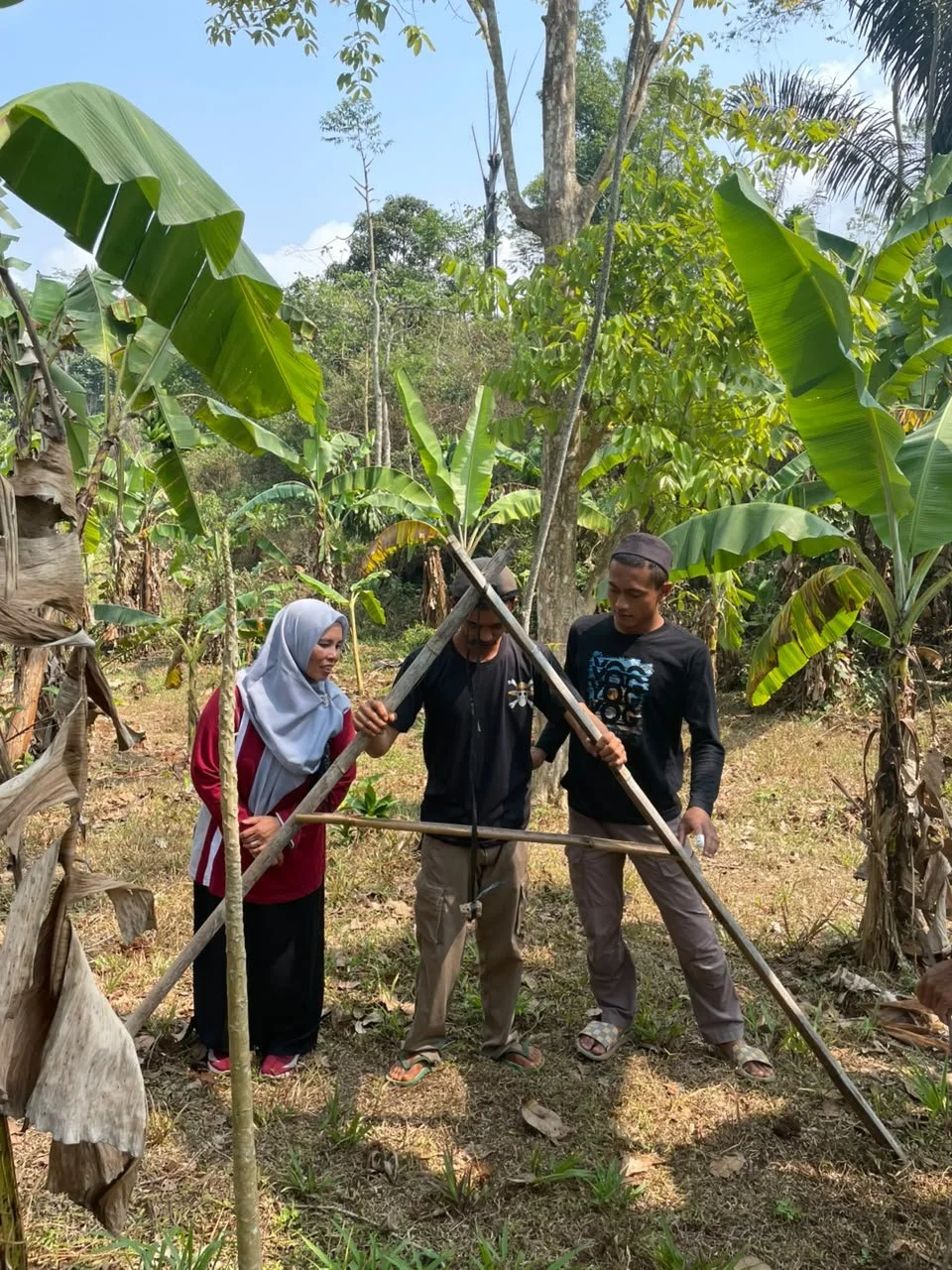
On September 27, the first of four farmer cohorts began their training.
In total, 28 farmers enrolled in Cohort 1: 21 men and 7 women, aged 26 to 70. Between them, they farm about 4.3 ha, and around 1.7 ha of that is land they plan to convert to agroecological practice. By the end of October, four of the 12 sessions had been delivered, with an average of 23.5 farmers attending each one.
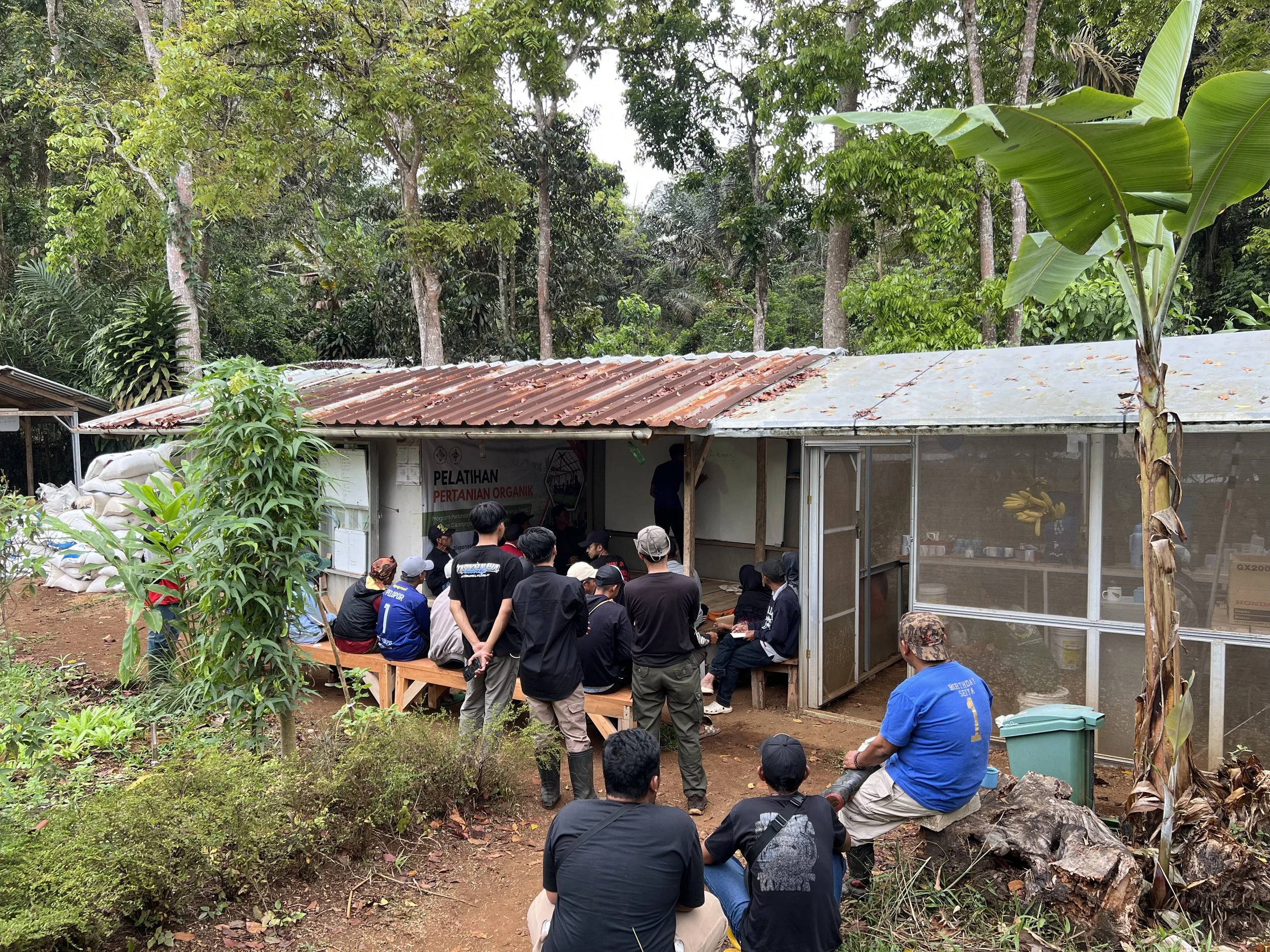
At the first community meeting, farmers told the team that Thursday sessions would rule many of them out. Many work weekdays as farm laborers, and several of the women have childcare commitments during the week. So the team made a simple but important change: rescheduling the training to Sundays.
As a result, more people can attend, and 7 of the 28 Cohort 1 places went to women. All future cohorts will run on Sundays too, so more farmers can participate.
Co-Learning, From Soil to Food Forests
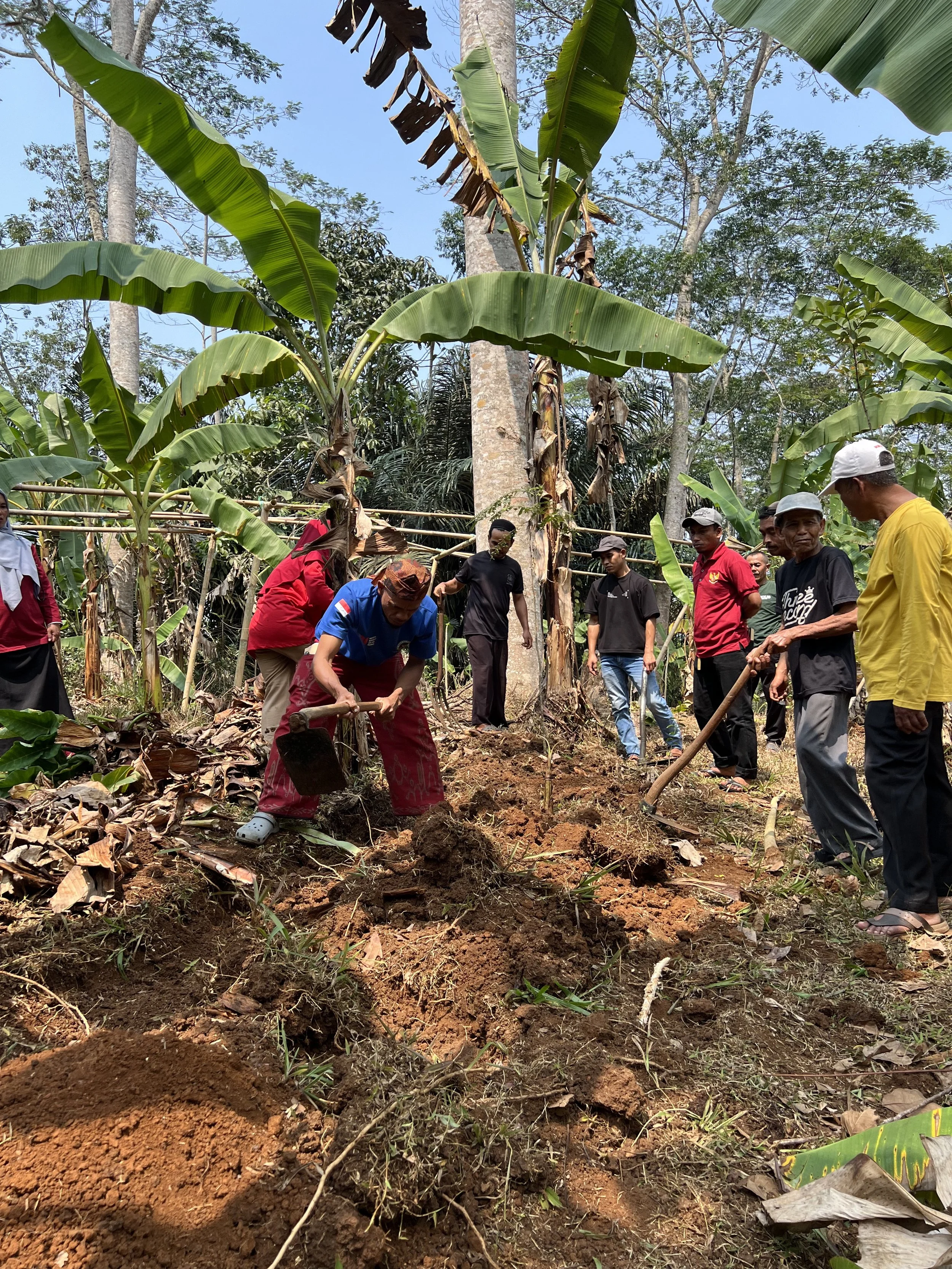
So far, sessions have covered an introduction and baseline, soil health and compost, and planting media, seeds and nursery. In the second session, guest practitioner Putra Tri Anugraha (@hijauin.sla) introduced farmers to syntropic food forests. More guest practitioners will join in the coming weeks.
A pre-program questionnaire gave the team a useful picture of where farmers are starting from. Of the 26 who completed it, 23 use synthetic fertilizers and 25 use synthetic pesticides. When asked what holds them back from organic farming, lack of knowledge was the most common answer (21 of 26), followed by lack of tools and materials, and market access. It’s a clear sign of why hands-on, practical training matters, and the soil health sessions are already tackling common beliefs about practices like deep tilling.
Farmers from the earlier pilot program also asked to come back and work alongside the PPBC team through a full crop cycle, from seed to harvest. The first group of five farmers began on October 13, joining the team once a week to put their learning into practice and ask questions as they go.
Soil Sampling Results
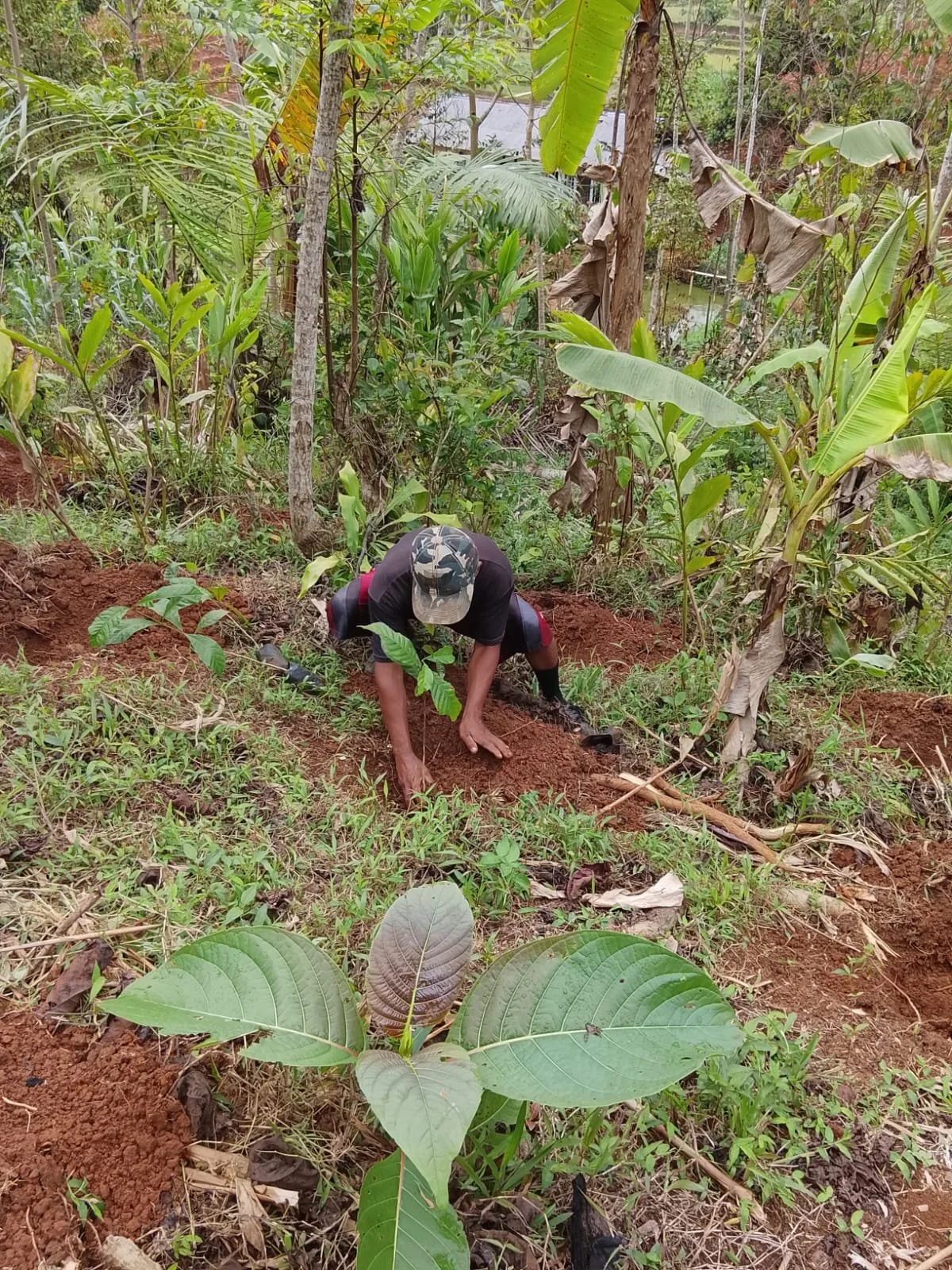
The first five baseline soil samples came back from the IPB University lab, with soil organic carbon (SOC) ranging from 1.90% to 3.56%. This gives us a starting point to measure change against as farmers adopt compost and other organic amendments over the coming months.
Building the Farm for Learning
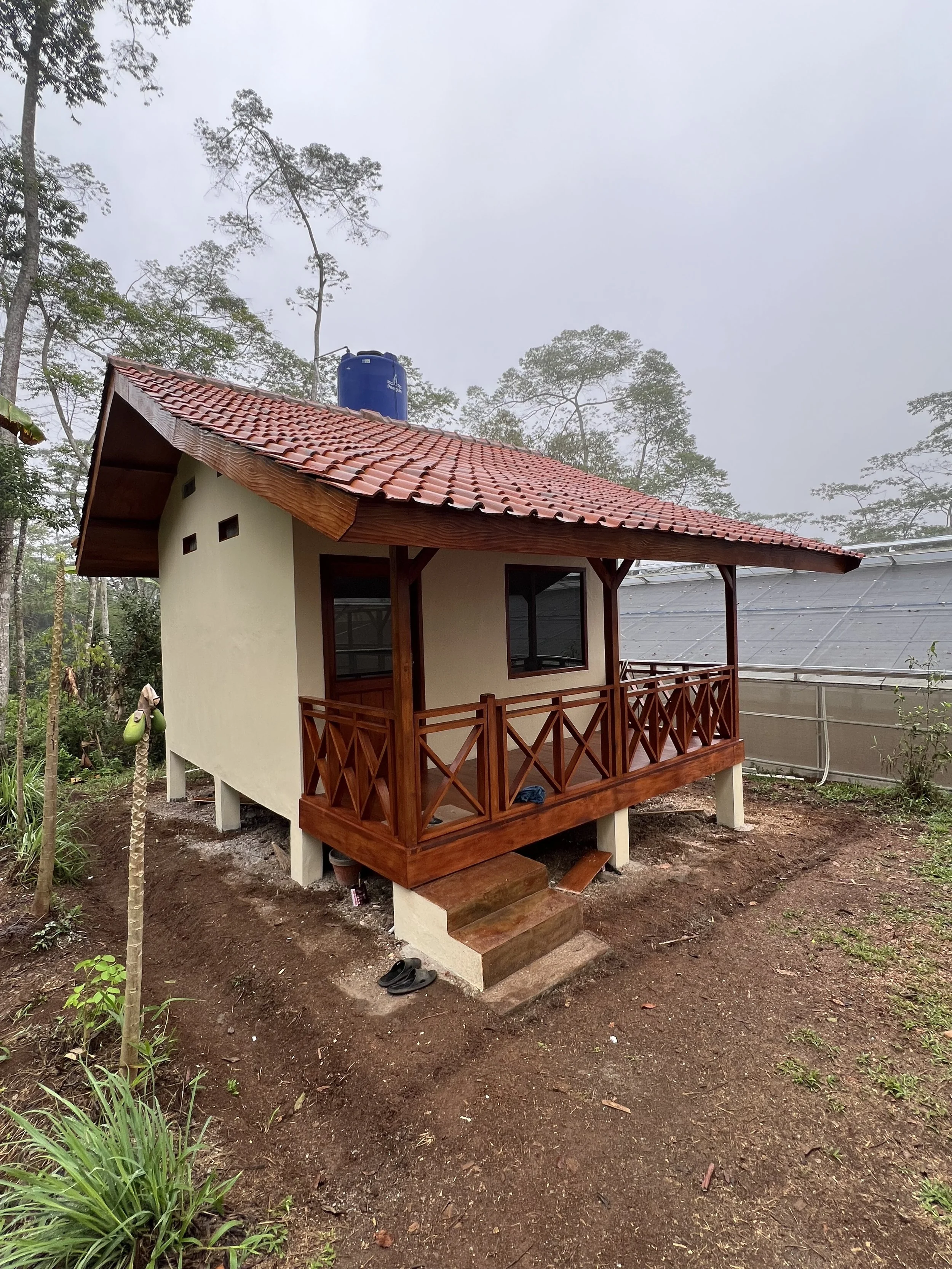
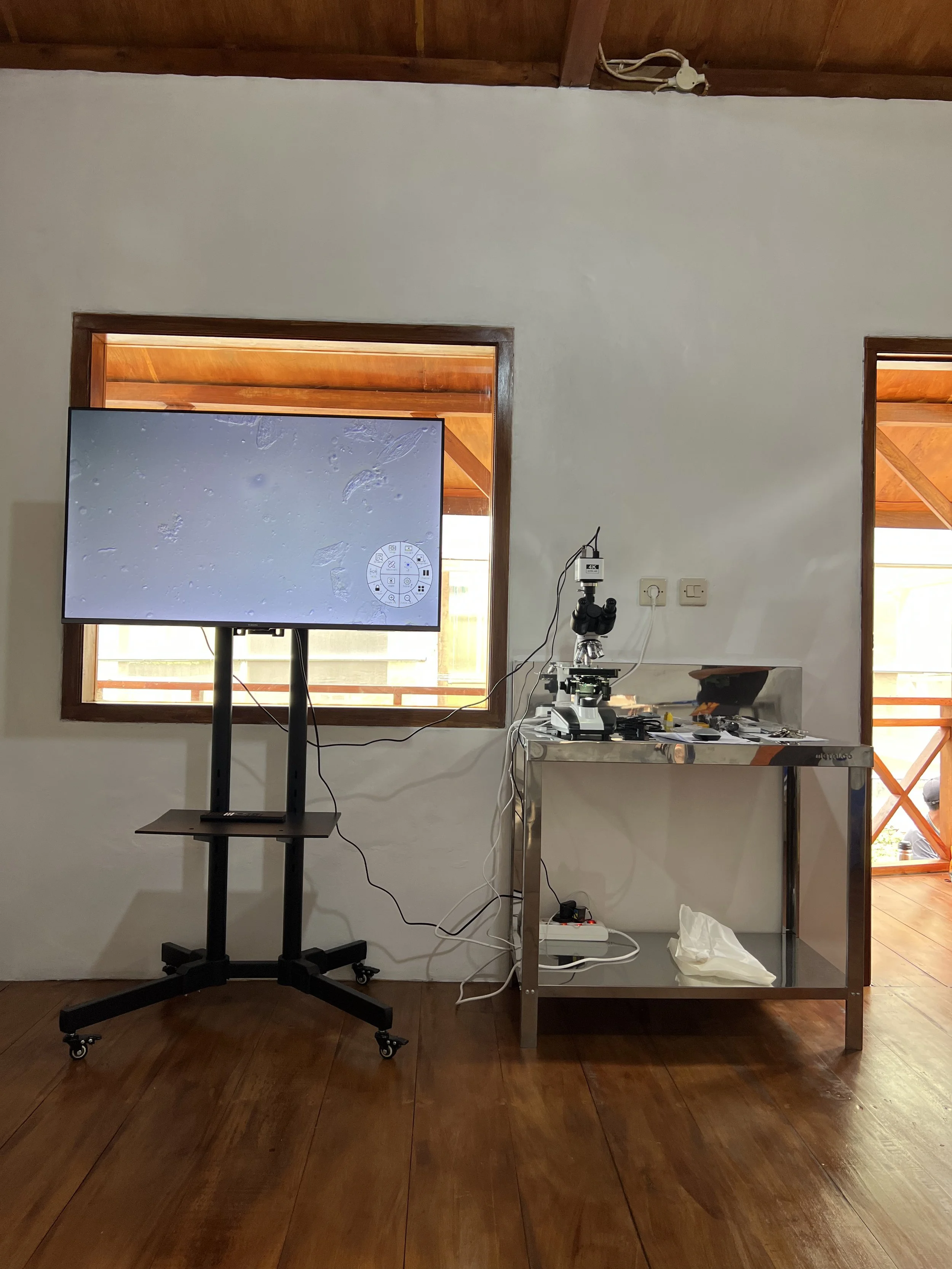
In addition to building out the demonstration farms, the team has been working hard to develop infrastructure: the new soil microbiology lab is complete and equipped, including a microscope linked to a display screen so groups can watch from the viewing window. The walking tractor, push seeder, compost sifter and locally made broadfork are all in use, and the hoophouse renovation, with shade cloth, misting, drip irrigation and benches for farmer groups, is close to finished. Irrigation upgrades are still in progress, including a deepened hand-dug well, a water tower and a roof-fed rainwater catchment.
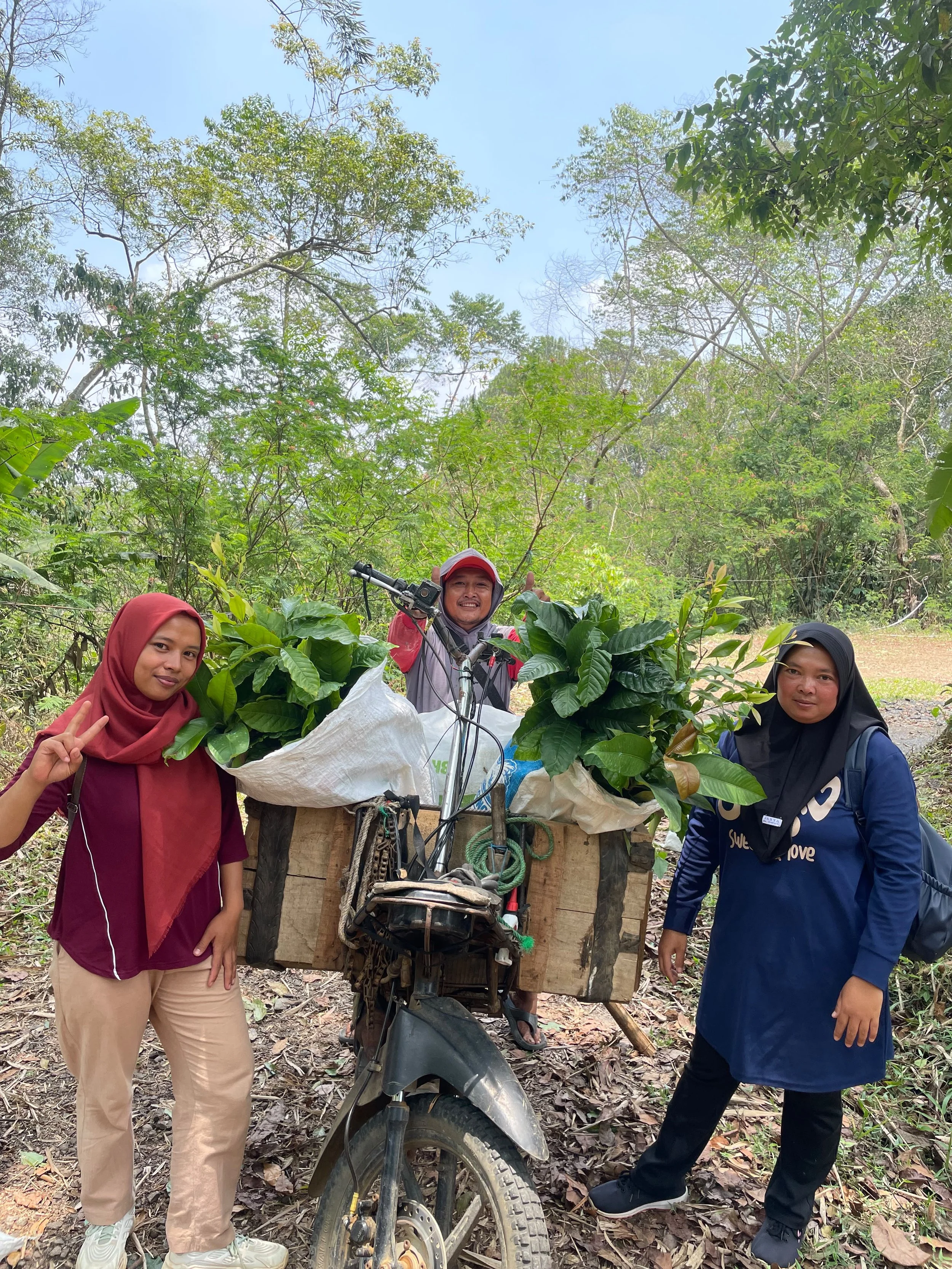
The team also purchased 3,024 fruit and agroforestry seedlings for Cohort 1 farmers, including coffee, durian, lime, mangosteen, clove, avocado and rambutan. Farmers collect them as they’re able to, and 23 farmers have picked up 2,196 trees so far.
Feeding Wildlife and People
The demonstration farm harvested 2,898 kg of organic feed for the rescued animals at Cikananga this quarter, 46% more than the same three months last year. In October, the team restructured one of the farm’s plots so that one block carries the animal feed rotation and the other is set aside for food for people, with corn, chillies, and eggplant growing together. We expect the first human food harvests in the next quarterly update.
Looking Ahead
The wet season is arriving, which means some sessions will move into the classroom. Keeping attendance strong through the rest of the cohort is a focus, with the team following up with farmers individually.
In the coming months, we’re looking forward to guest sessions on buhun (local wisdom) farming and permaculture, followed by the final Cohort 1 session on January 3, with the post-test and graduation on January 10, 2027. The team will keep building the tree nursery and rolling out seedlings, finish the irrigation system, hoophouse and rainwater catchment, and open Cohort 2 in January 2027.
Stay tuned for more updates as the first cohort grows!