In a recent afternoon packed with laughter, hands-on learning, and deep discussions, we toured Cham Shan Farm with our new ’26-’27 Restore Grantees and our appointed soil consultant, Homeland Green, and explored what it takes to build a thriving regenerative production farm in the Hong Kong context.
As one of our very first Restore Fund grantees back in 2022, Cham Shan Farm officially graduated from our three-year program in 2025. Operated by farmer Pat Fan, the 2-acre site has continued to scale its regenerative practices independently, demonstrating strong long-term resilience without ongoing grant subsidies. So, after a year, how is Cham Shan Farm performing?
Master-Level Mulch Making and Application
Operating with a long-term view toward resource efficiency, Pat Fan continuously prepares organic mulch well ahead of seasonal demand. The farm’s location on the mountain gave him a unique advantage - the space to stockpile a large volume of wood chips and other materials for decomposition. By pre-decomposing the chips with a composting agent as recommended by our soil consultant, he prevents nitrogen drawdown in the soil and, at the same time, reduces “waste” produced by local facilities. Today, he is managing massive piles (one 8 months old and another 2 years old!) teeming with rich microorganisms and beneficial fungi.
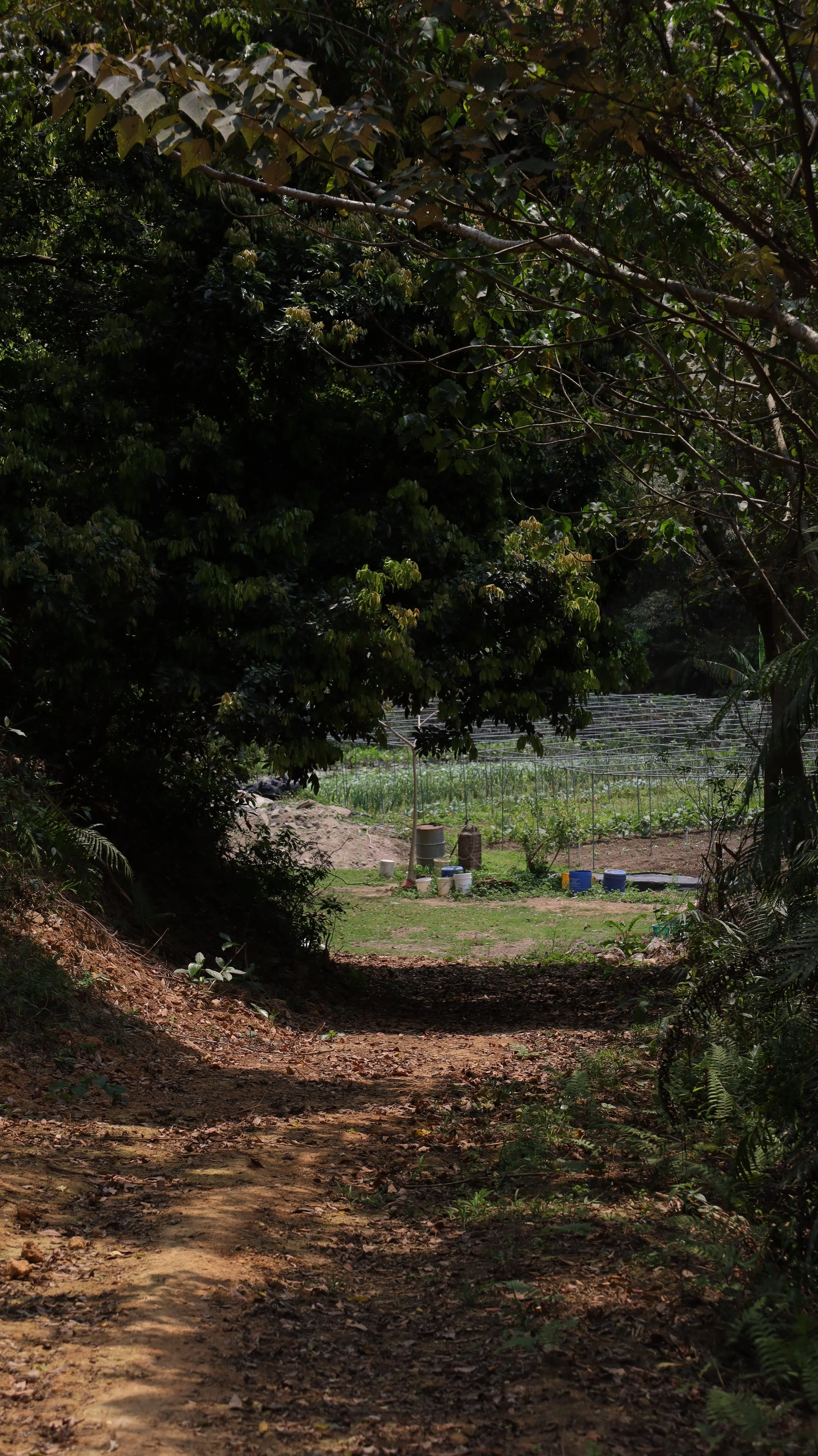
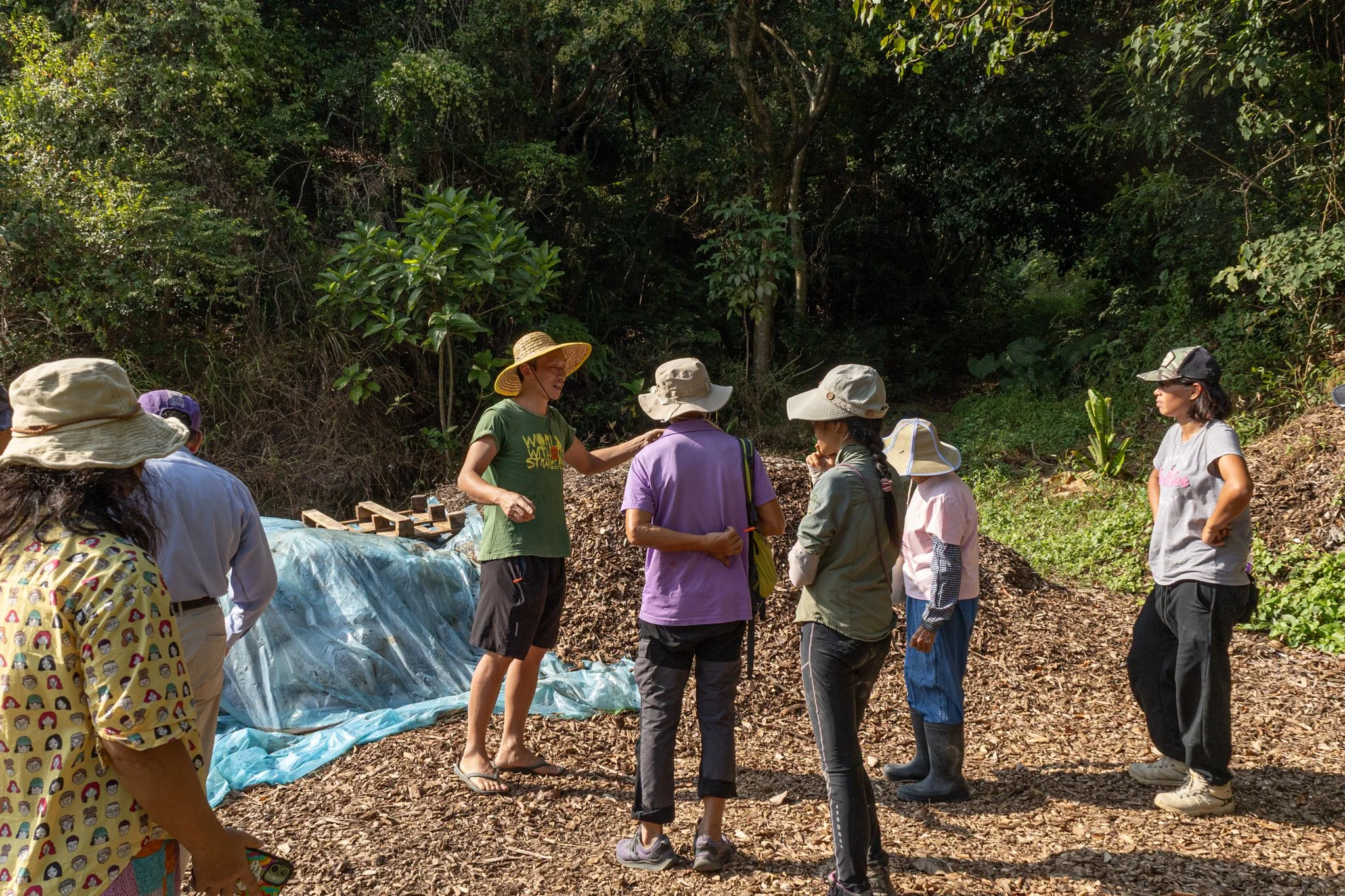
Back in 2023, limited supply held back his mulching (left and center), today, he has mountains of it ready to go (right)! The only enemies are limited time and manpower.
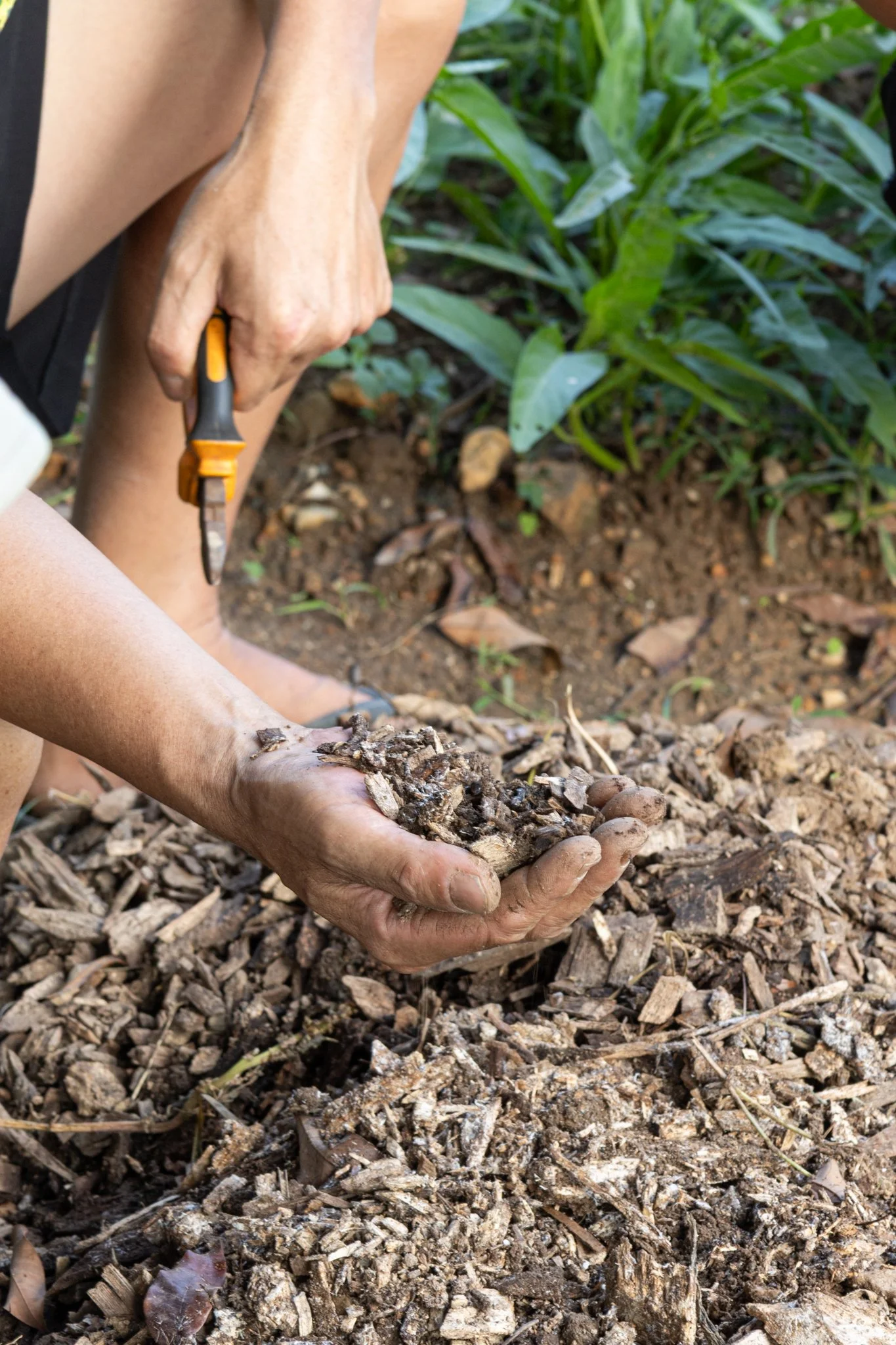
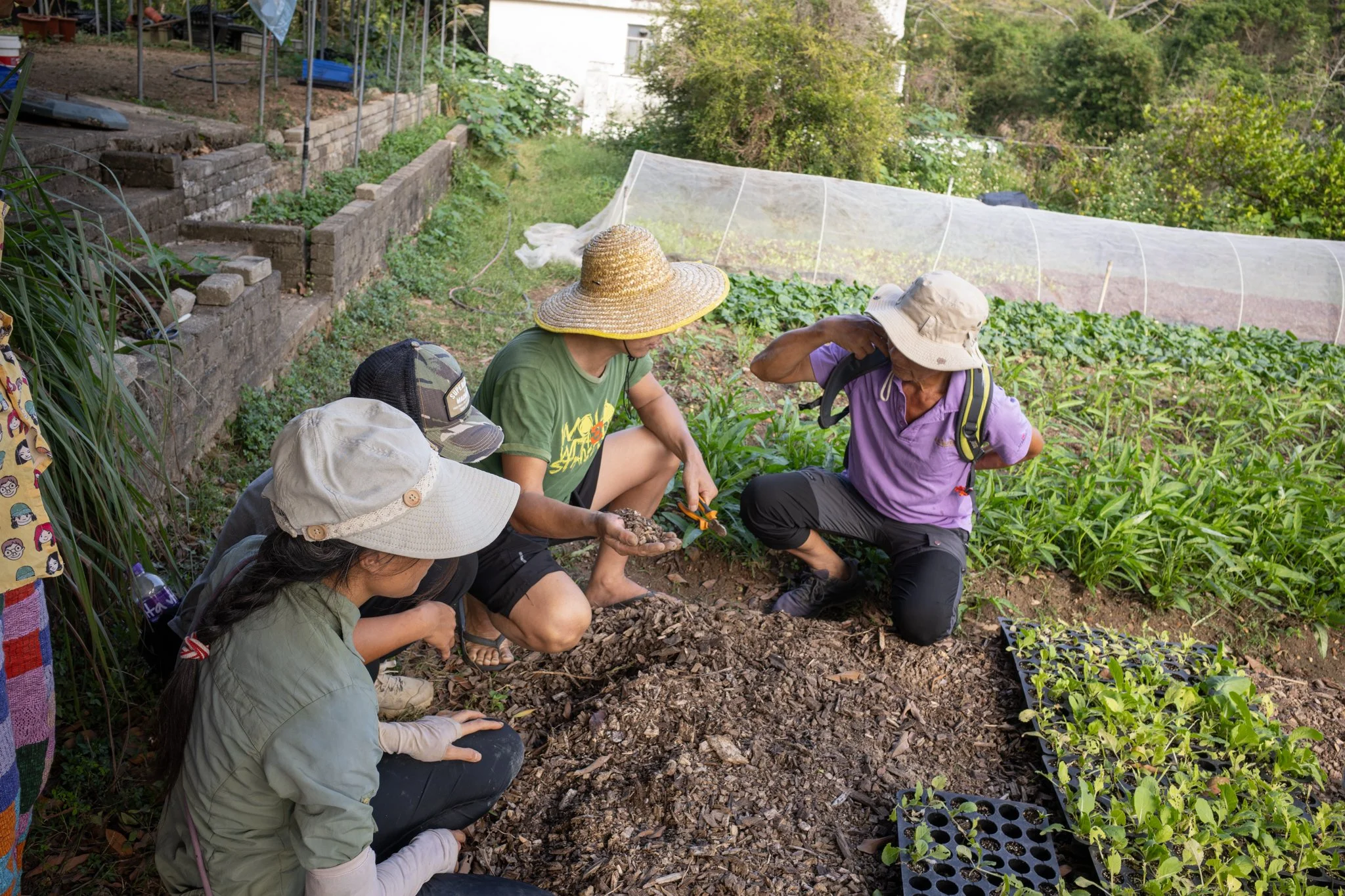
Pat Fan showed us what mature mulch looks like, with a visible mycelium network.
Established Nutrient Management and Lowered Inputs
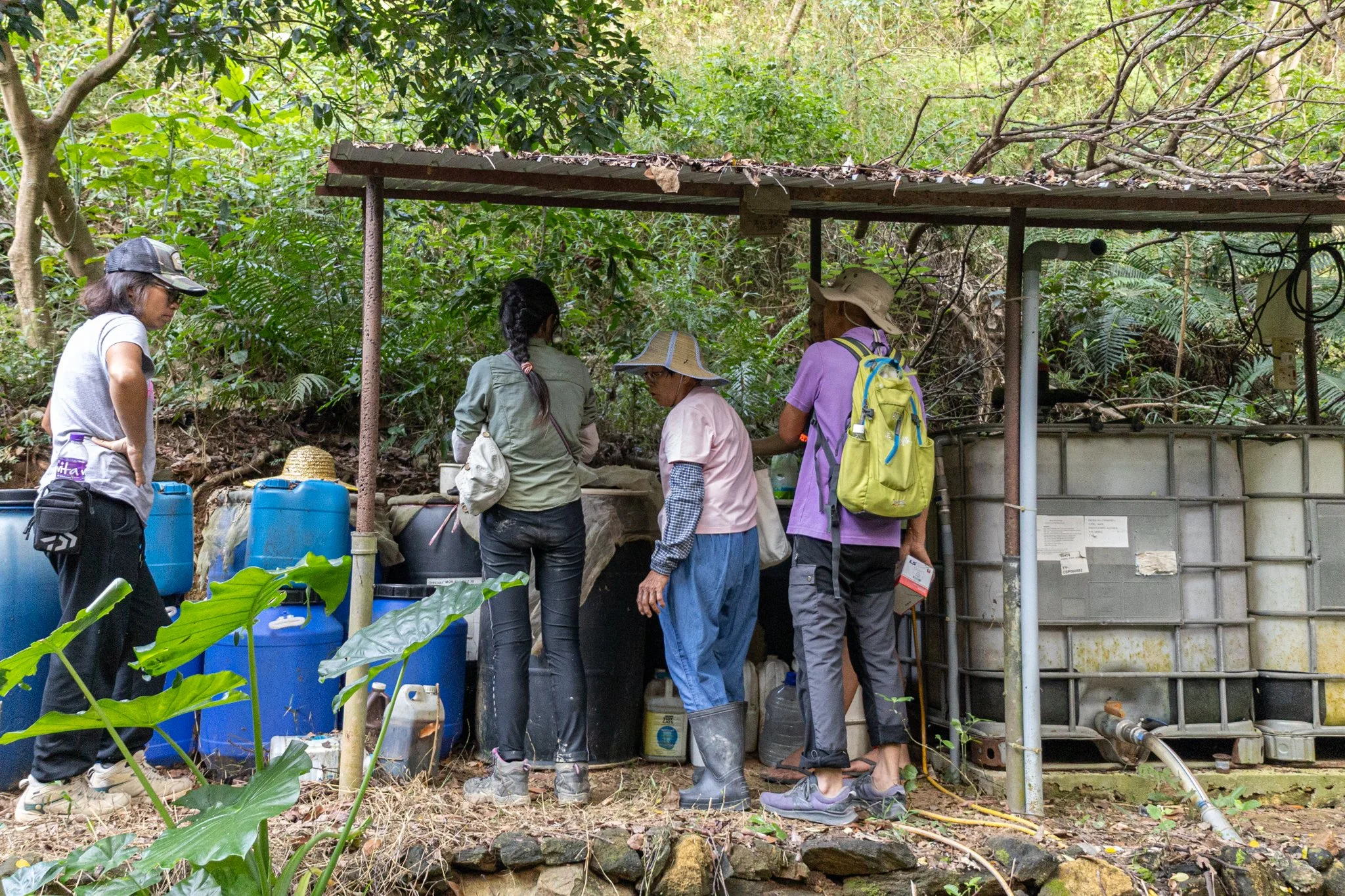
Once Pat Fan saw how much his crops loved compost teas and bio-active nutrient ferments, he went all in to scale up this practice, and he DID it with the help of the grant. Growing from a single liquid tank in 2023 (top left) to a starter setup in early 2024 (top right), he now runs two permanent stations hooked straight into the farm's irrigation system, dedicated to this nutrient management practice (bottom left and right).
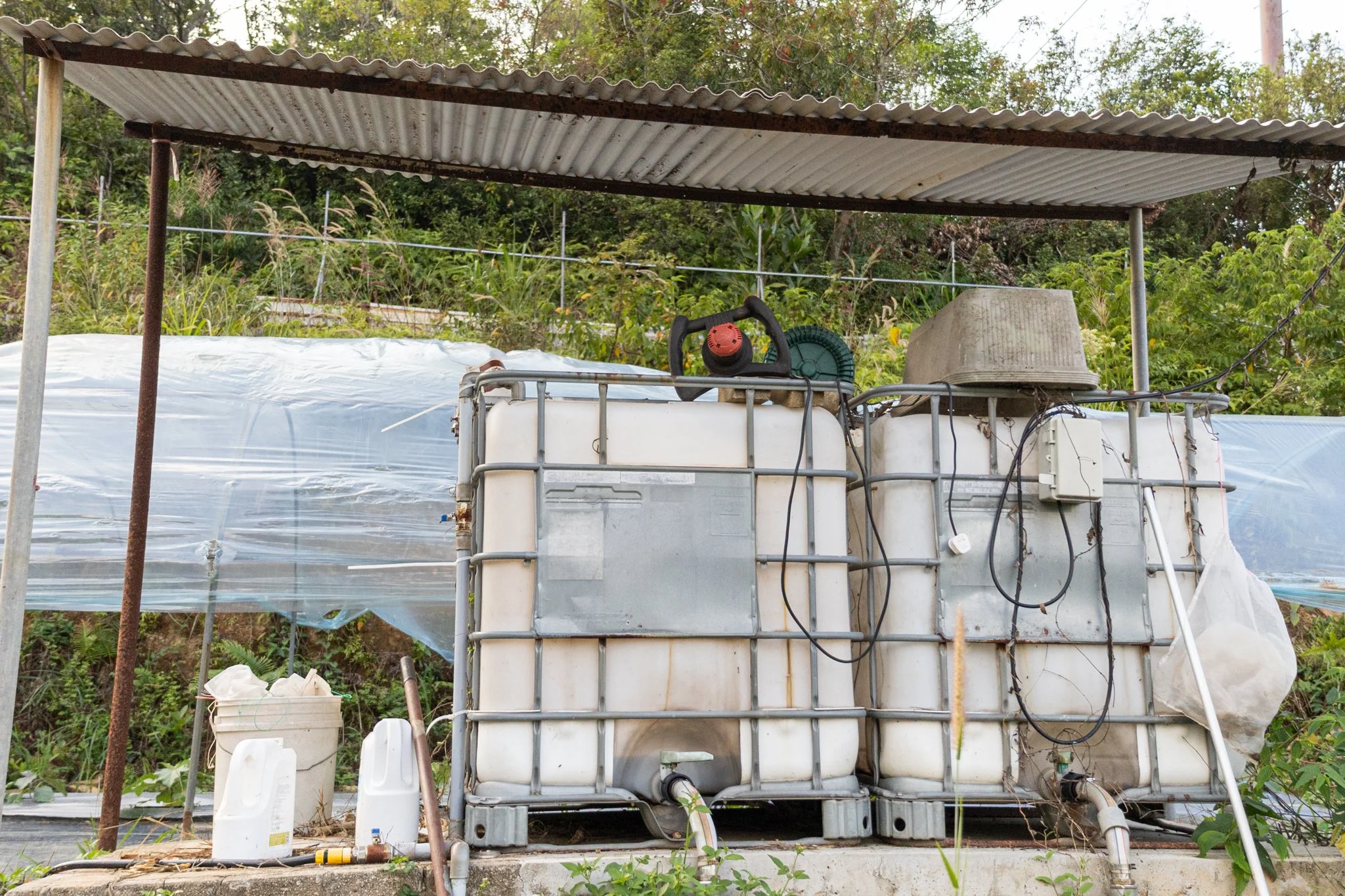
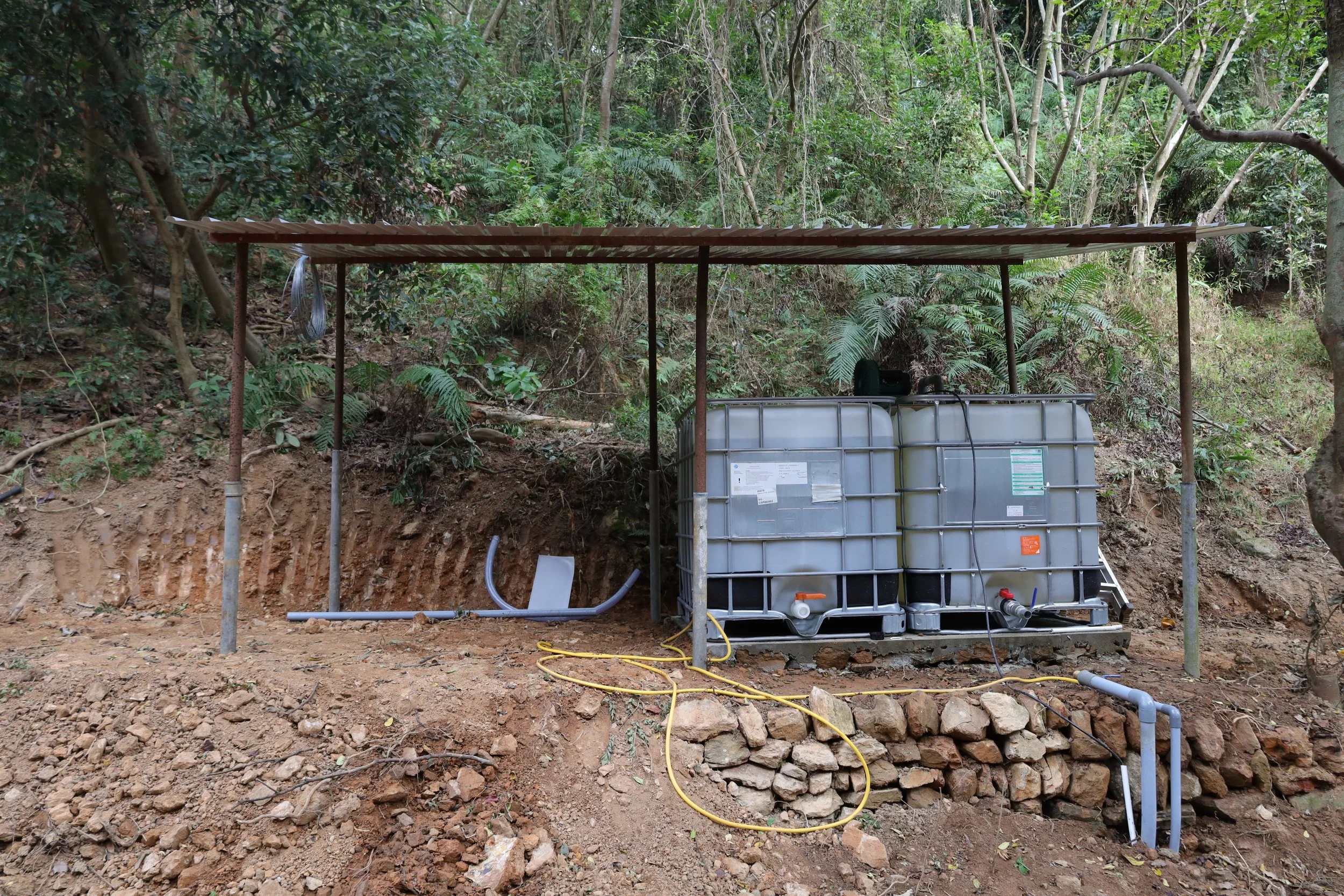
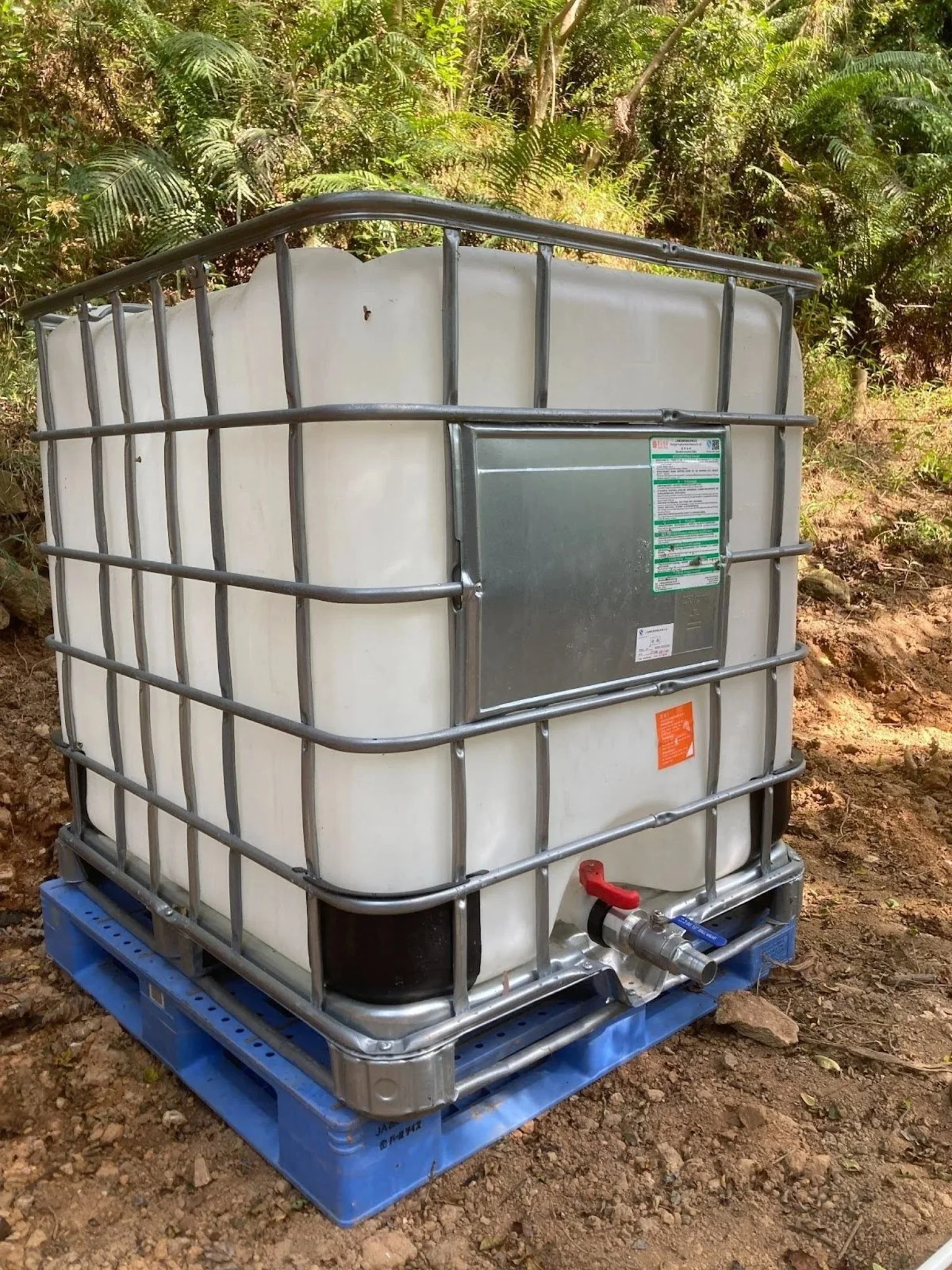
The second unit is positioned on the other side of the farm because the first one could not generate enough pressure to flow over a long distance. Pat Fan has surely ingrained bio-active plant nutrient management into his practice and runs it efficiently. Through resource upcycling, effective biological applications, and sharp operation design, Cham Shan Farm is officially a fully transitioned farm and requires less input to sustain soil microbiology.
Thriving Crops and Smart Perennial Systems
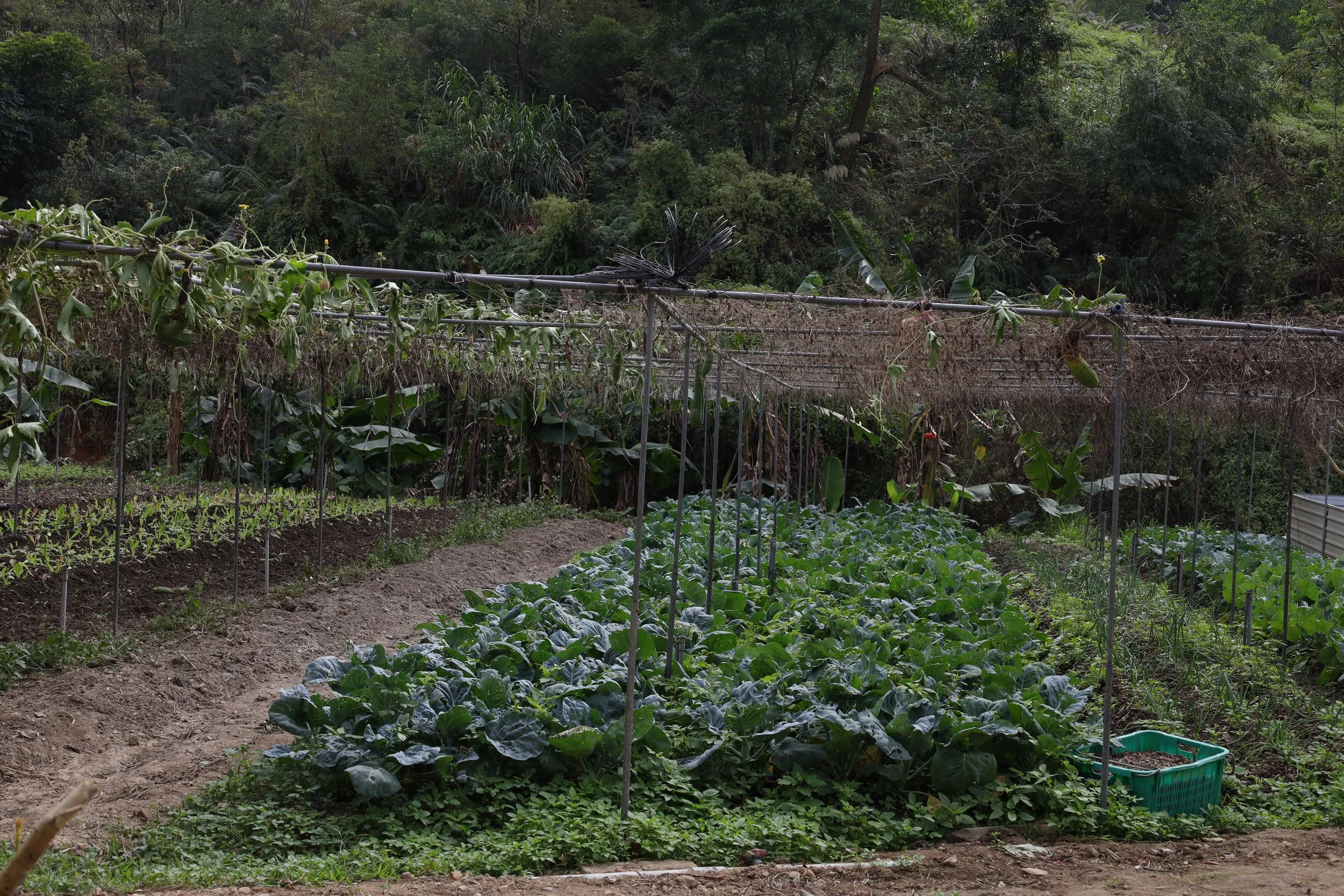
While the day did not include an extensive data analysis on Pat Fan’s crop health, visual inspection confirmed healthy soil structure and minimal pest pressure. Using cabbage as an example, which is notorious for attracting pests due to its Brassicaceae nature, Pat Fan’s cabbages showed remarkable improvements compared to previous years.
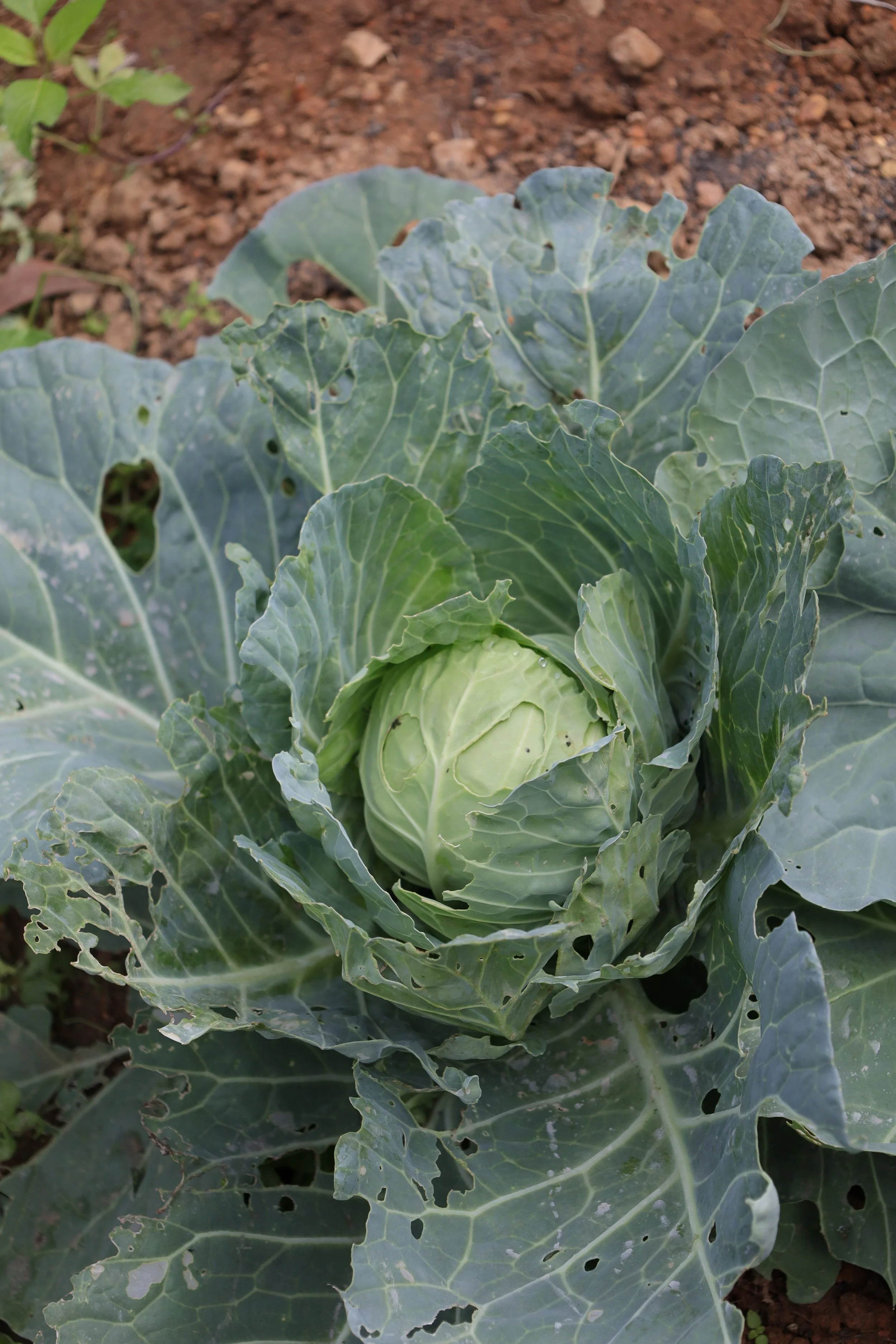
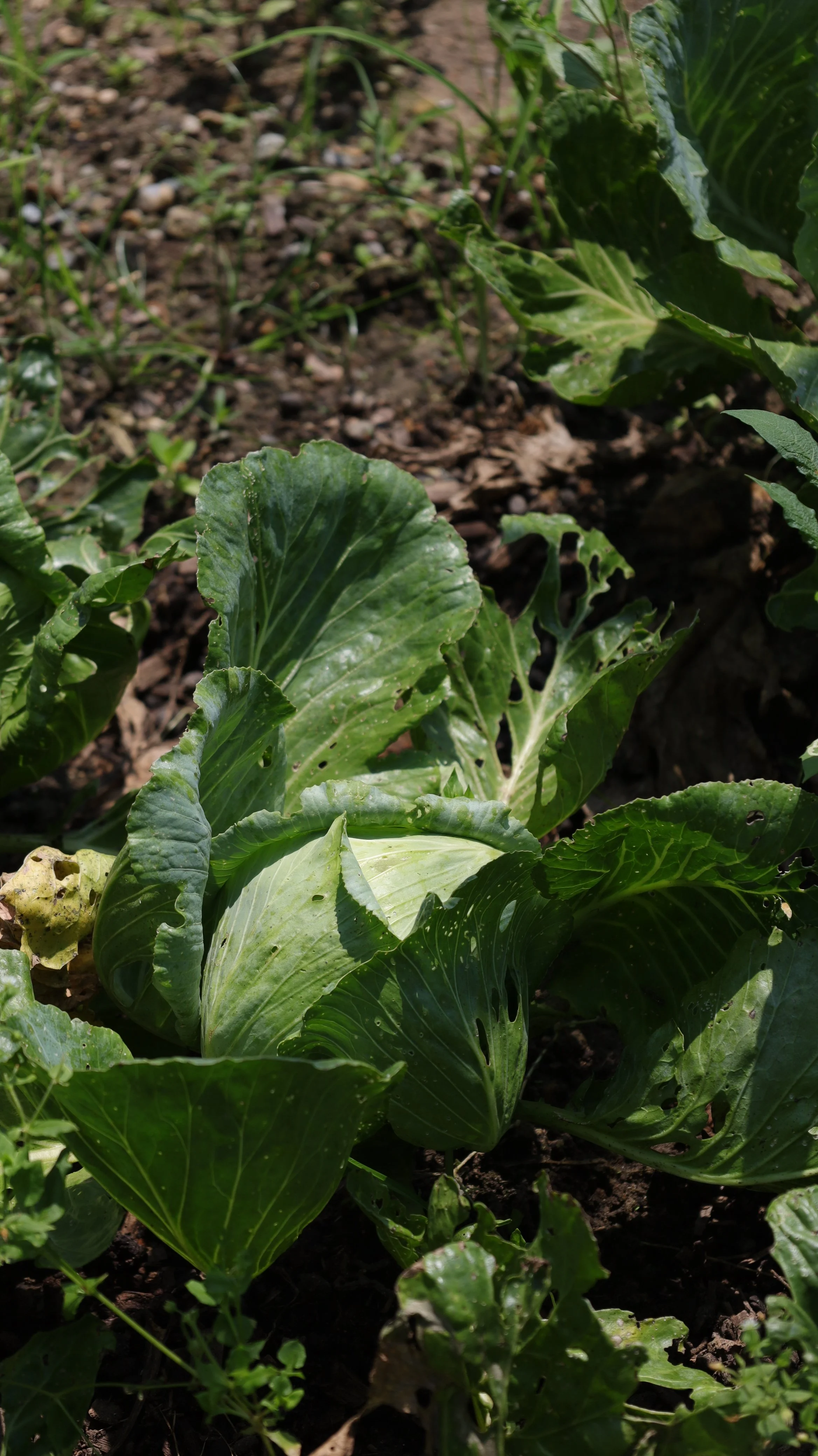
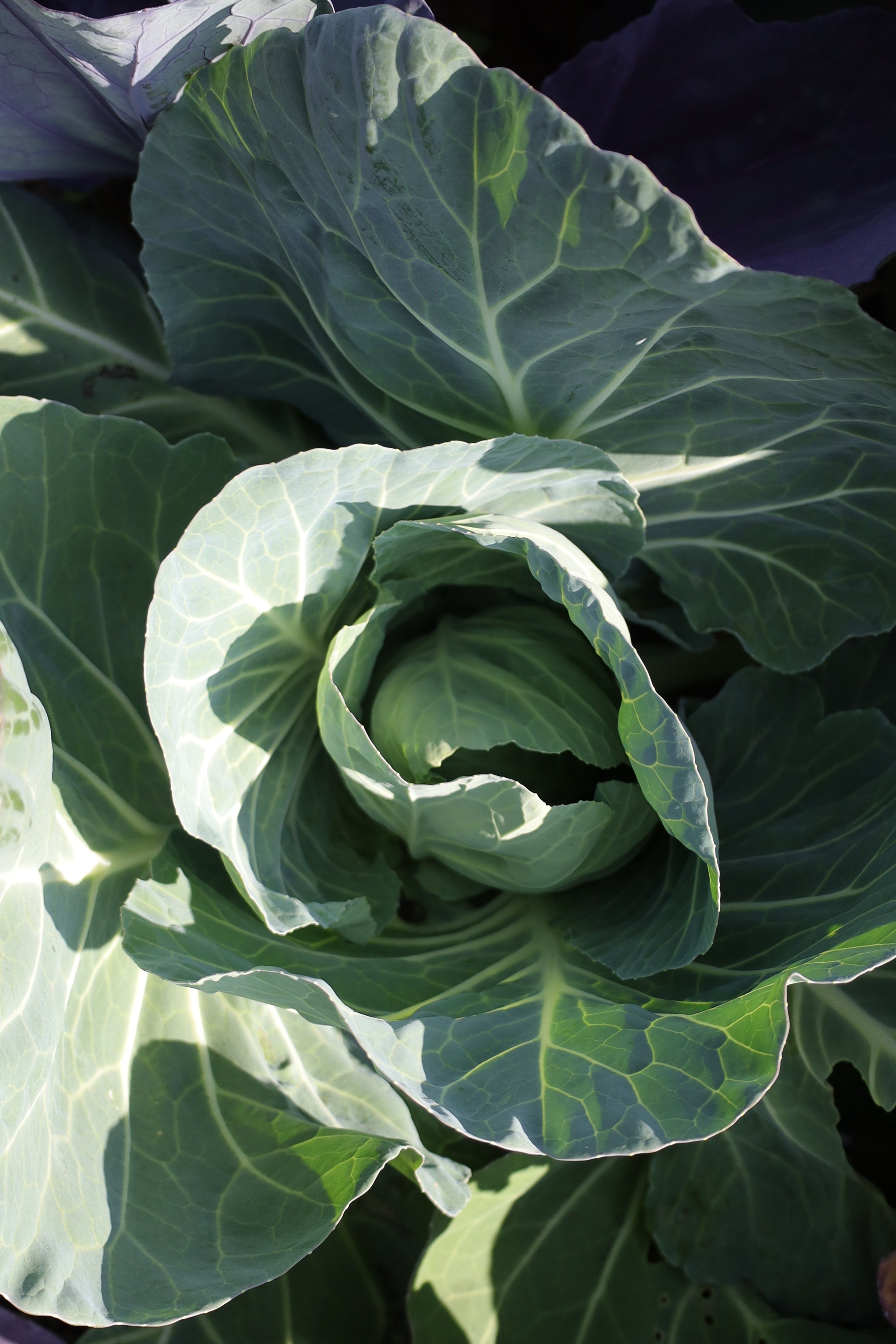
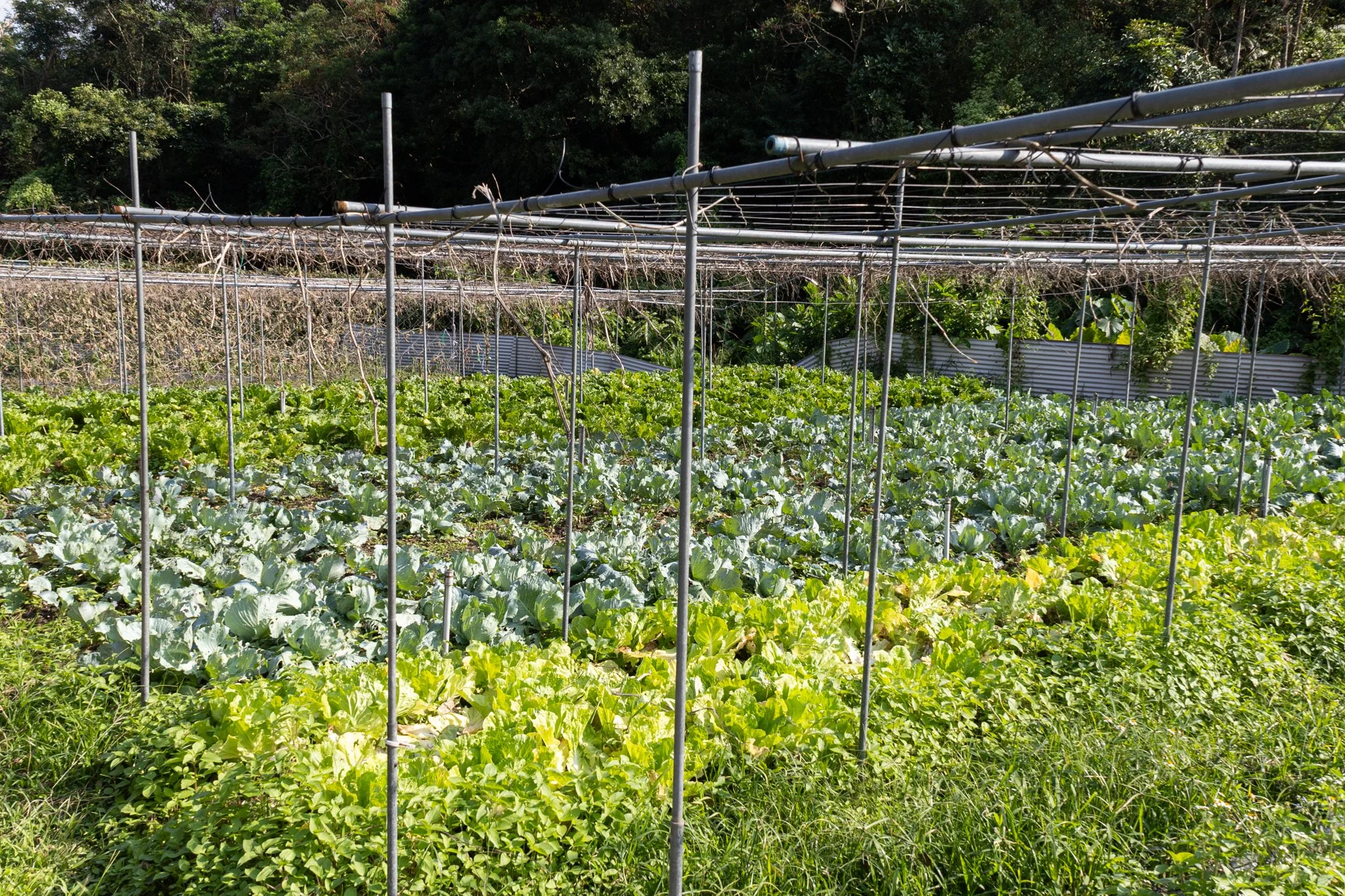
From left to right: Dec 2023, May 2024, Jan 2025, Nov 2026 (middle row with light green leaves).
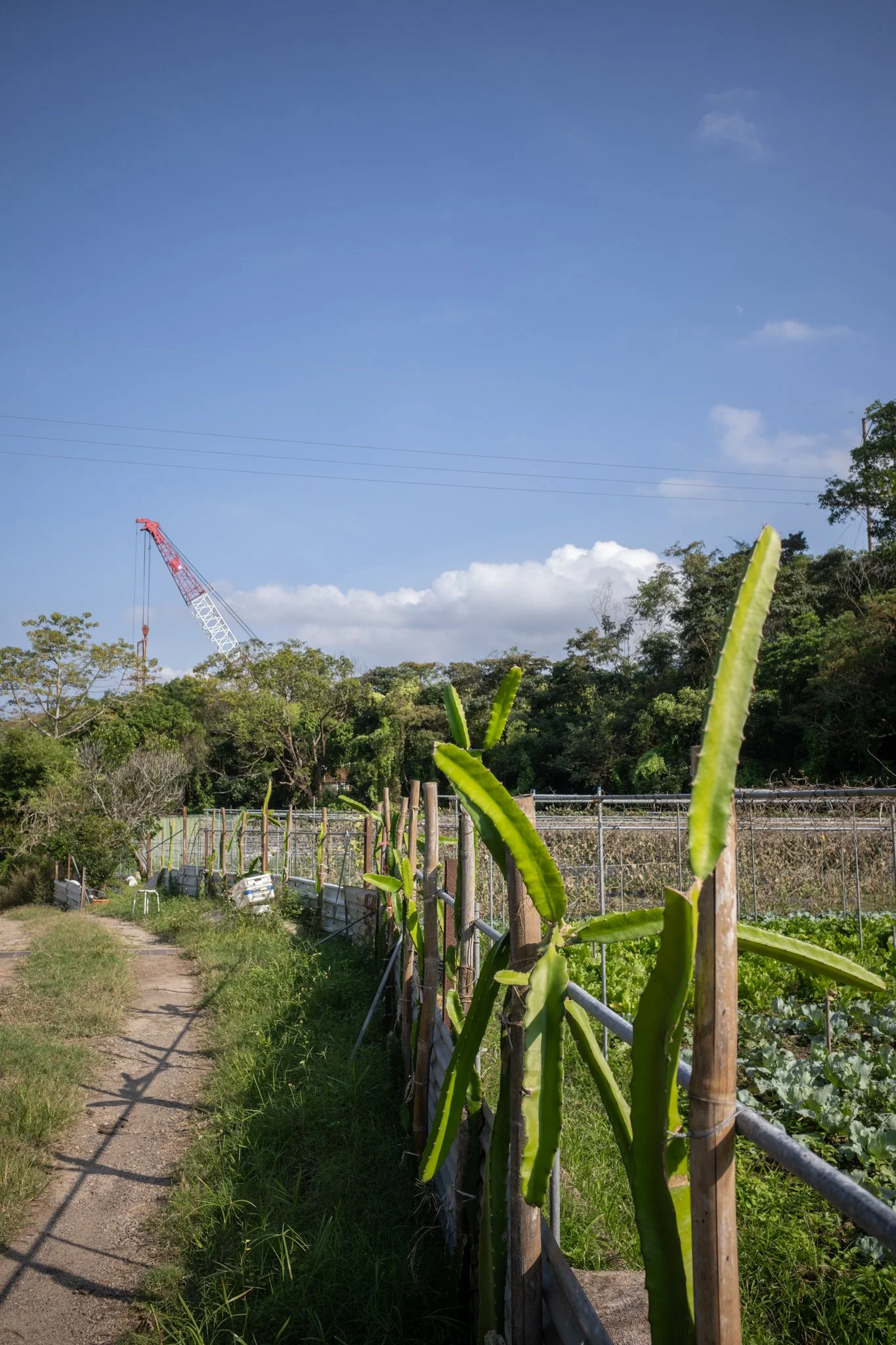
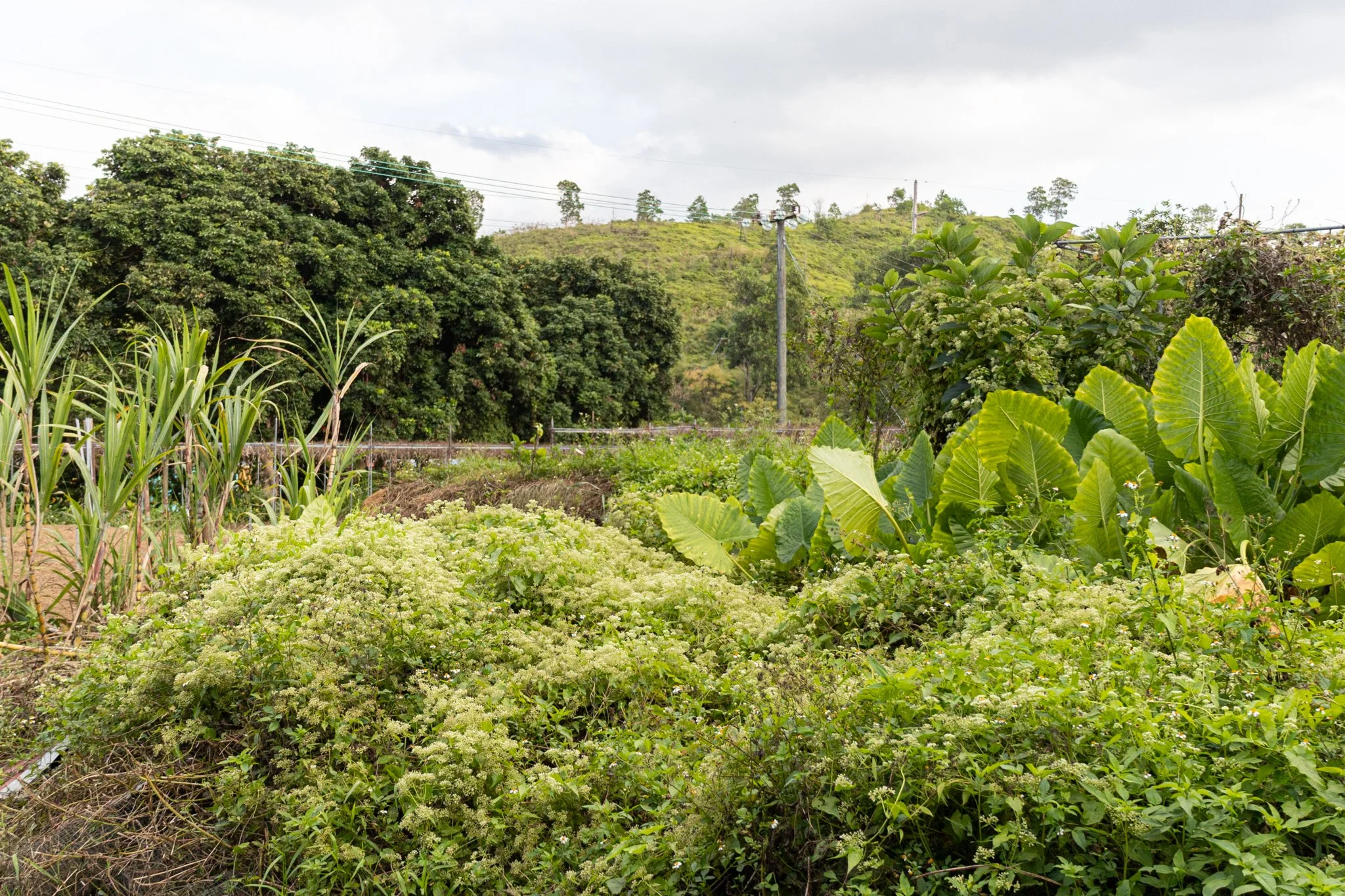
Beyond seasonal veggies, farmer Pat Fan has expanded perennial plantings to enhance ecological stability and diversify revenue, including a lush Passion Fruit Ginger forest, as well as a perimeter of Dragon Fruits that doubles as a natural deterrent against wild boars.
A Blueprint for Self-Sustaining Regeneration
Graduating from the Restore Fund did not mark the end of our collaboration. He remains a good ally to ZFPA, an active peer mentor to incoming cohorts, and a shining leader in the regenerative agriculture movement in Hong Kong. His continued success demonstrates that nature-friendly farming is feasible and effective in Hong Kong.
Zero Foodprint Asia’s funding support is not meant to last forever. The Restore Fund exists to de-risk those tough early transition years so farms can stand strong on their own, equip and empower growers with knowledge to build operationally and financially self-sustaining systems rather than create permanent grant dependency.
In the case of Cham Shan Farm, it stands as clear proof of the effectiveness of the Restore Fund when producers commit fully to soil-first management.
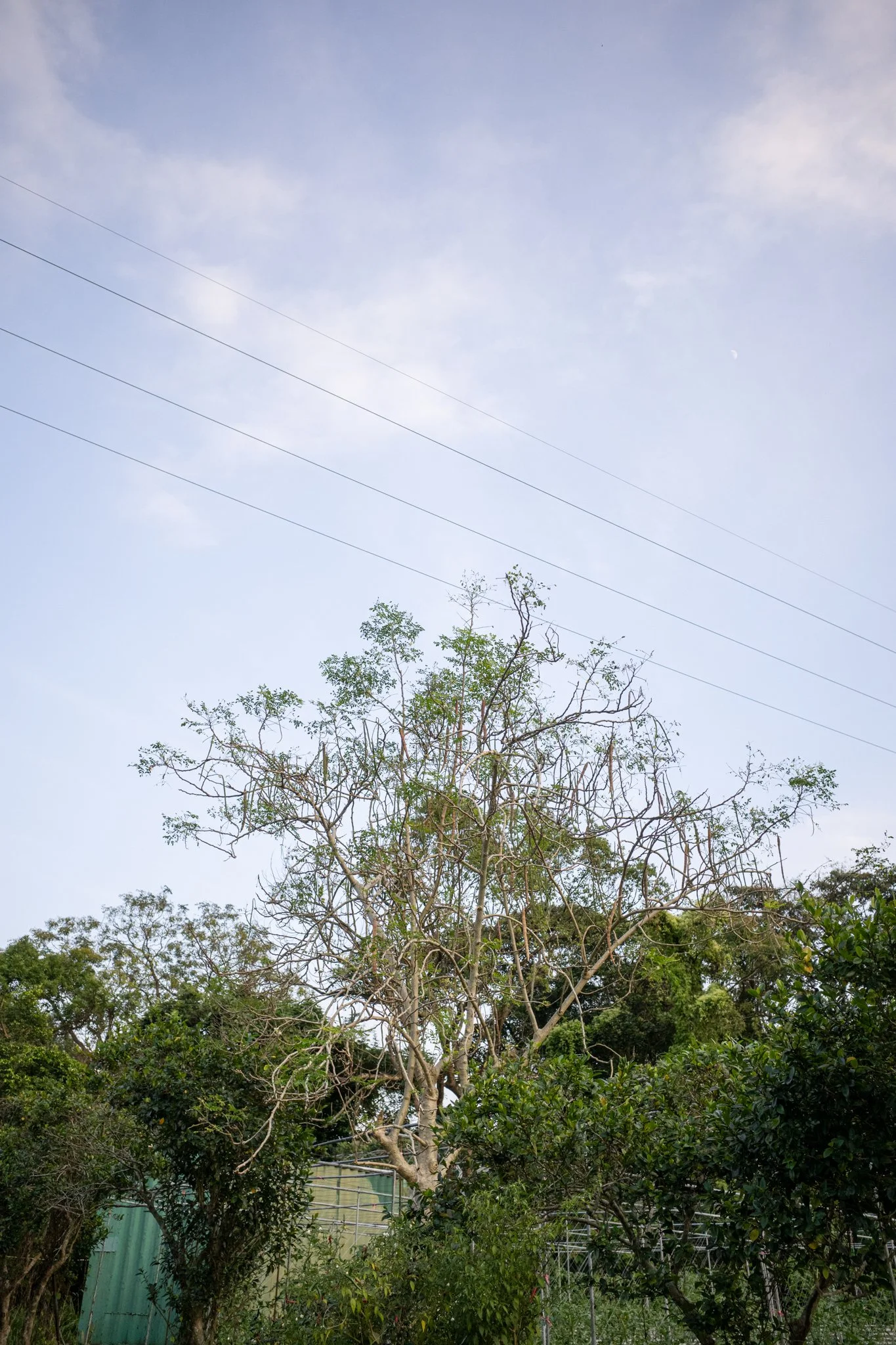
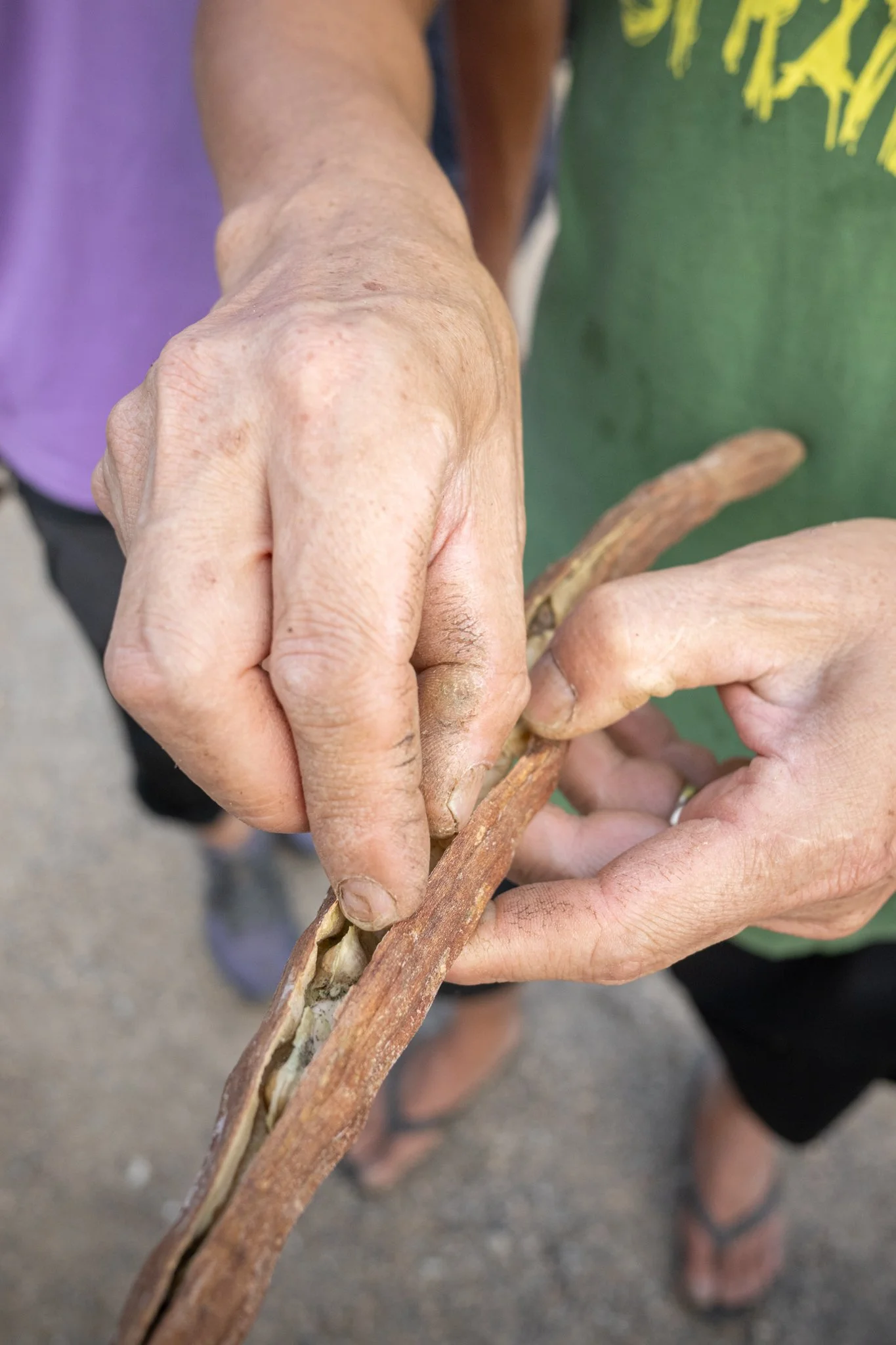
We wrapped up the afternoon by tasting moringa seeds for the very first time, getting hit with bitterness, earthiness, spiciness, and a sweet aftertaste all in one bite. It couldn't have been a better metaphor: initial transition presents real challenges, but stick with it, and the sweet rewards of regeneration are truly worth every bit of effort!