From Assessment to Action: How FAO TAPE is Guiding a Just Agroecological Transition in Rural Nepal
In the hilly regions of rural Nepal, farmers are already living with the consequences of a changing climate. Heavier monsoon rains, erratic rainfall, and increasingly volatile seasons are placing growing pressure on communities that depend on the land for their livelihoods and food security.
Since March 2025, Zero Foodprint Asia has partnered with The Green Intelligence and reNature to develop two regenerative agroforestry model farms in Sunkhani and Dulikhel. These sites serve as living laboratories where farmers, researchers, and local leaders can test new approaches, share knowledge, and begin to re-imagine what agriculture in the Himalayas can look like.
To understand how these communities can best adapt, the partnership applied the FAO TAPE framework (Tool for Agroecology Performance Evaluation), developed by the UN Food and Agriculture Organization, to evaluate progress and chart a path toward a more just and resilient food system.
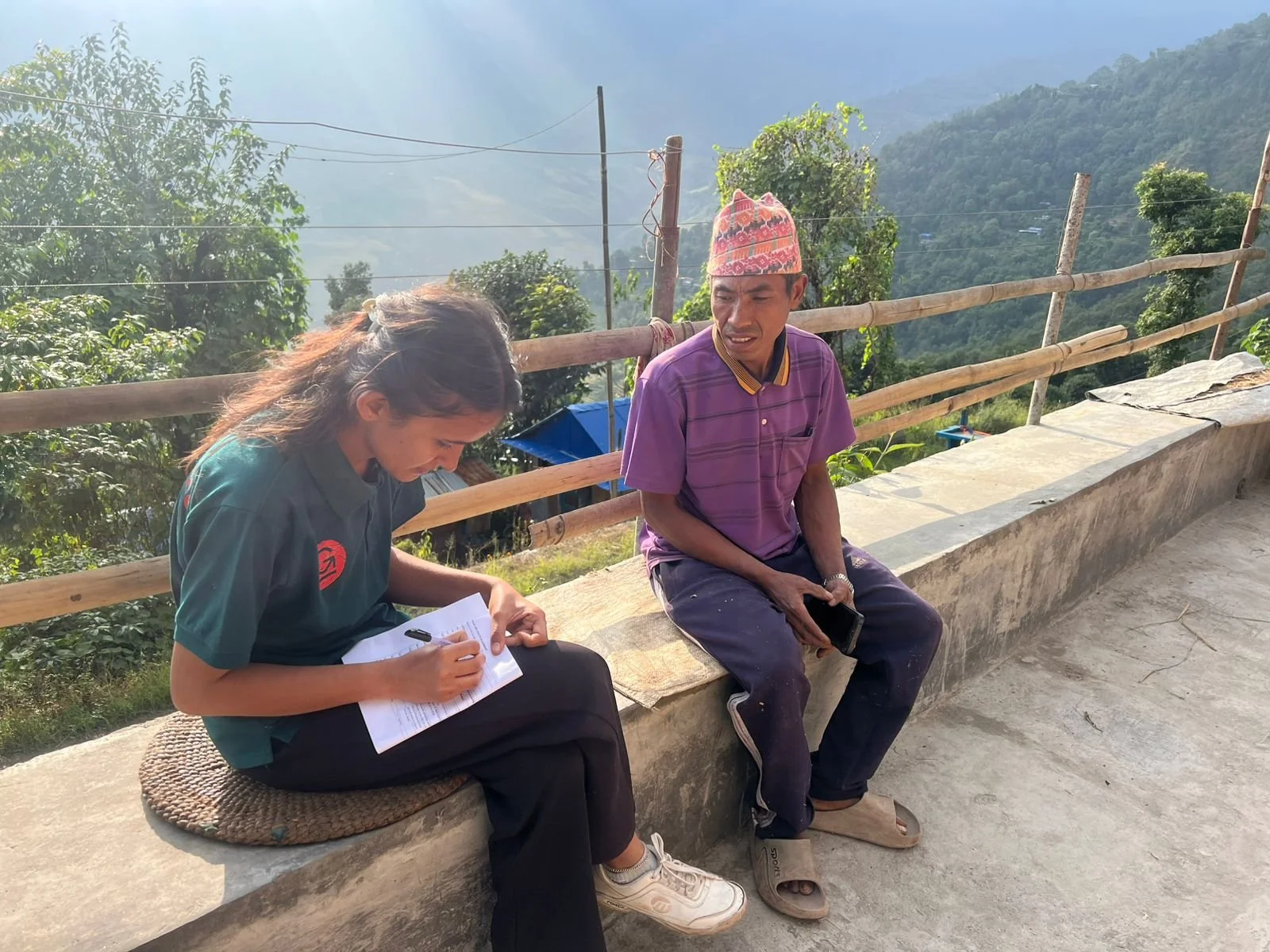
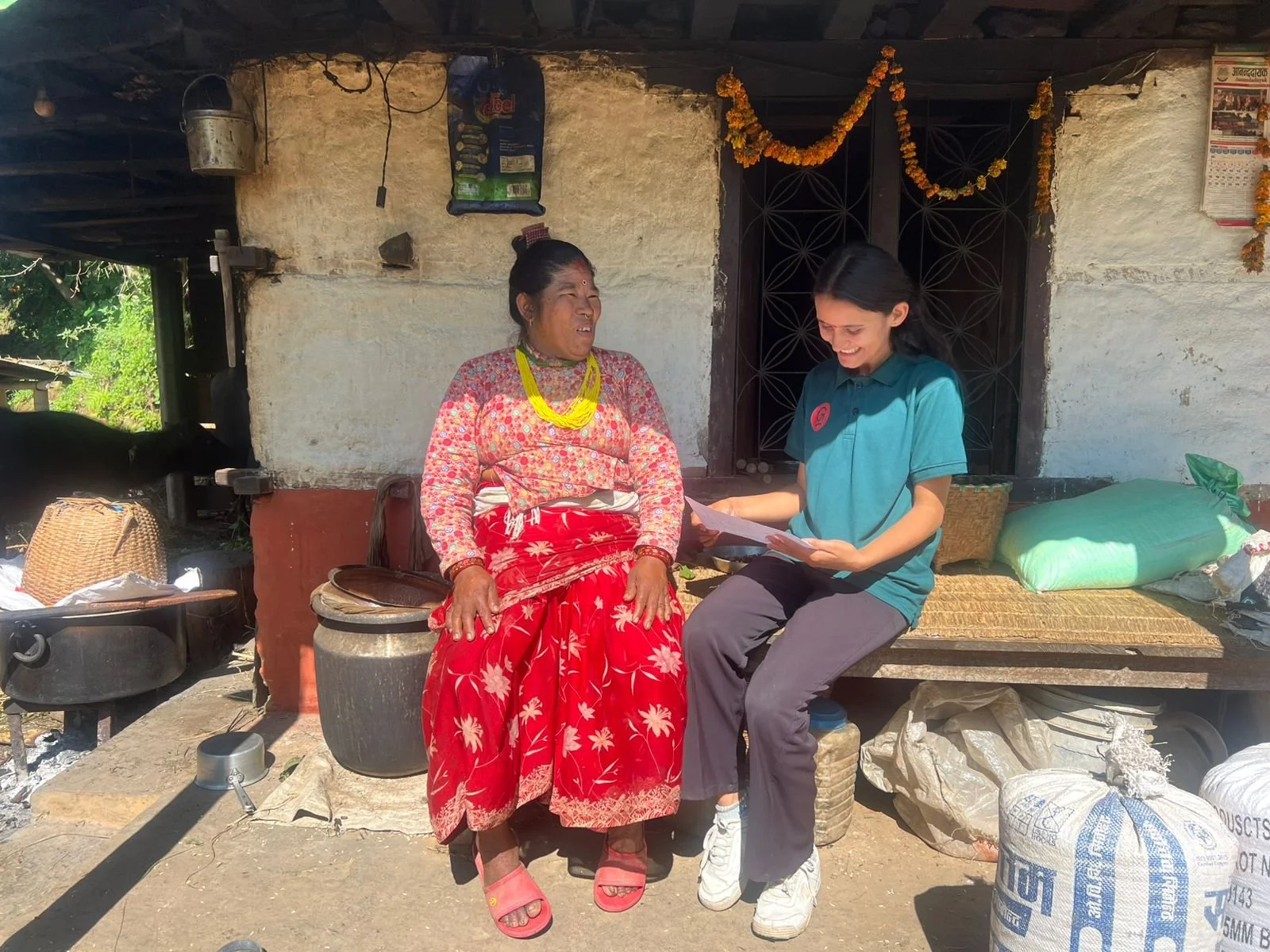
Measuring the Transition
FAO TAPE is a structured methodology designed to assess how far farming systems have advanced along the agroecological transition. It is both rigorous and adaptable, built to compare performance across very different contexts and geographies.
For the Nepal project, reNature applied two core components. The first, Step 0, captures a full context baseline: demographic data, household characteristics, climate conditions, and terrain—establishing a clear picture of who is farming, where, and under what circumstances.
The second, Step 1, uses a structured questionnaire called the CAET (Characterization of Agroecological Transition) to assess how farming systems align with key agroecological principles, from biodiversity and soil health to governance and social equity.
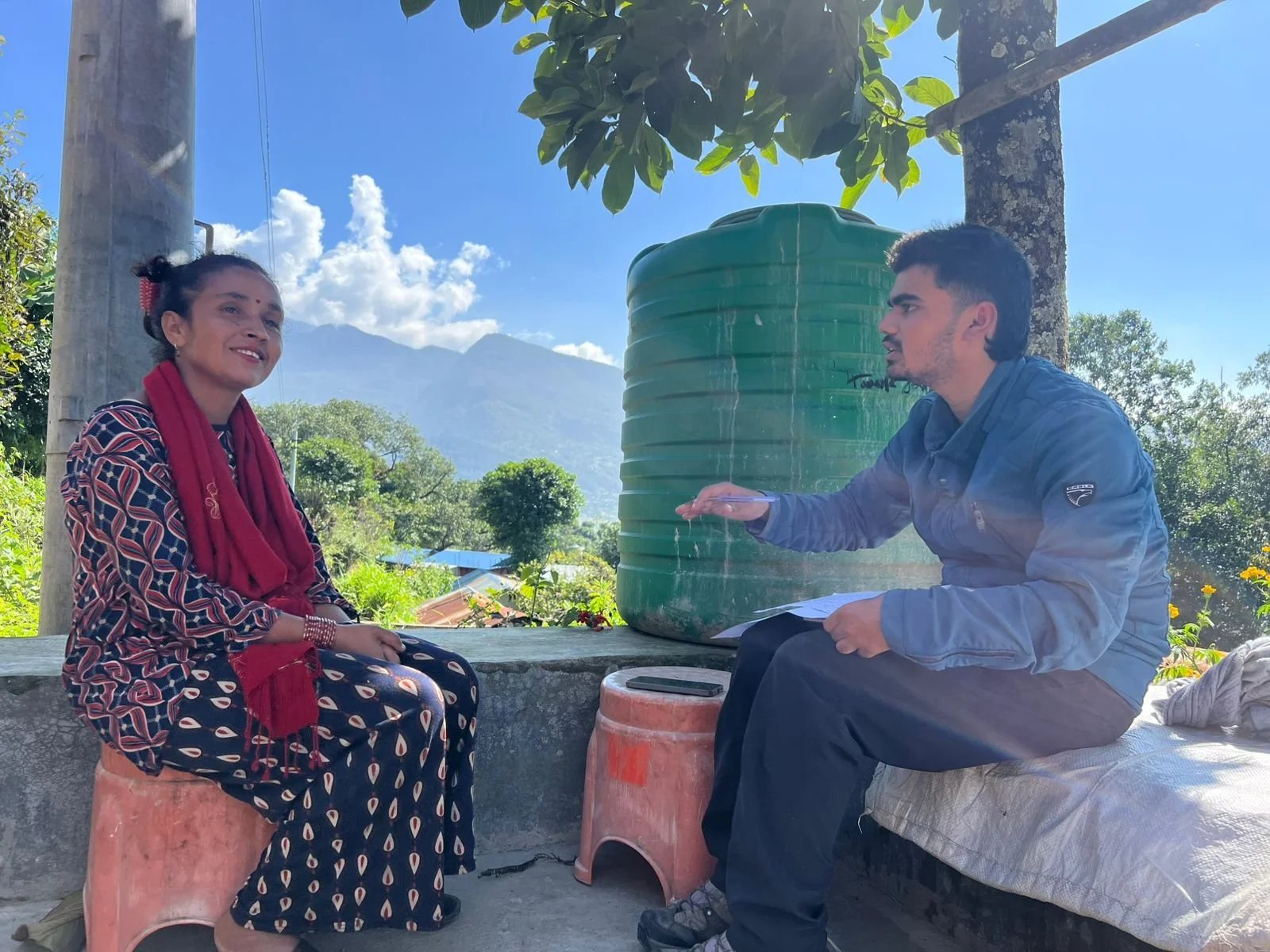
FAO TAPE interviews in Sunkhani
Together, these tools have given the partnership a detailed baseline for both Sunkhani and Dulikhel—surfacing the strengths already present in each community alongside the areas that need deeper support. In 2028, a follow-up T1 assessment will revisit the same indicators, providing a comparative lens on how far the farms and surrounding communities have come.
Rethinking Resilience
One of the most striking findings from the assessment was the relatively low resilience scores recorded at both model farms. Within the FAO TAPE methodology, resilience is measured across economic, social, and ecological dimensions—including access to credit, savings mechanisms, and the safety nets that help communities absorb shocks.
On paper, the scores appear modest. On the ground, the picture is more nuanced.
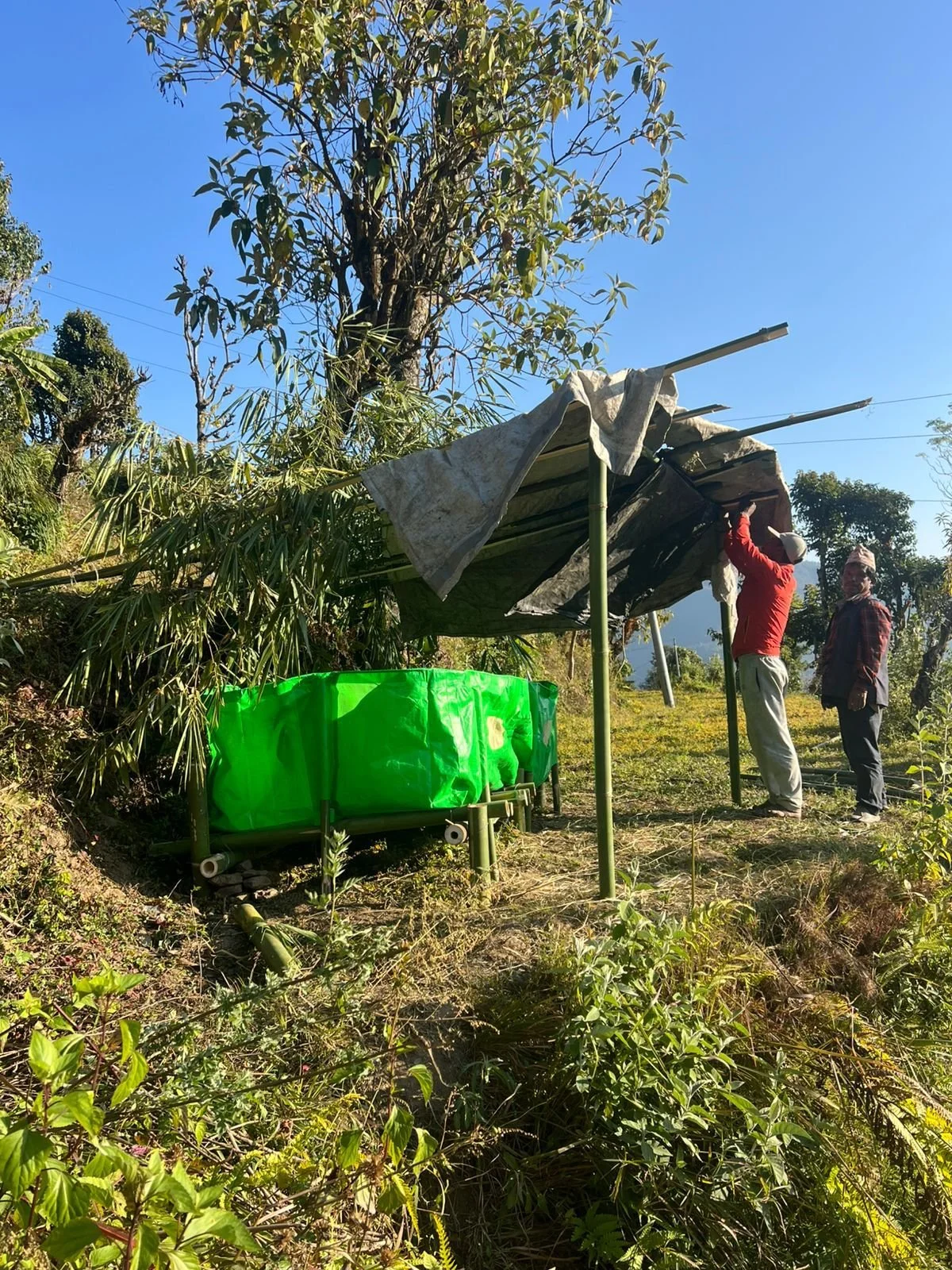
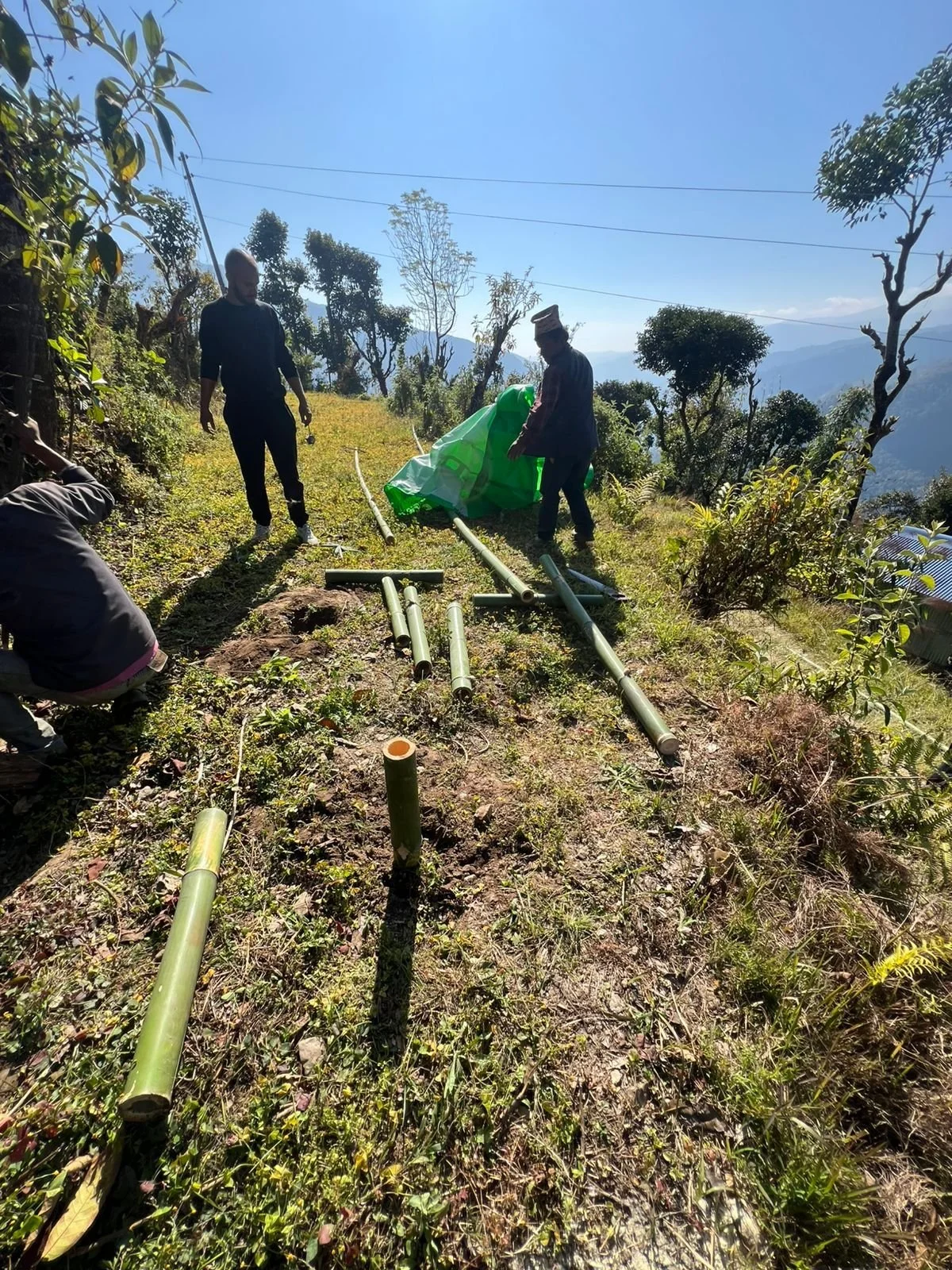
Both communities are actively investing in the kind of ecological resilience that isn’t always reflected in financial metrics. In Dulikhel, The Green Intelligence successfully worked with the local municipality to co-fund the construction of rainwater harvesting ponds—an initiative that has since enabled farmers who trained on the model farm to build their own. In Sunkhani, comparable public support has not yet materialised, which has slowed adoption even as farmer interest remains high.
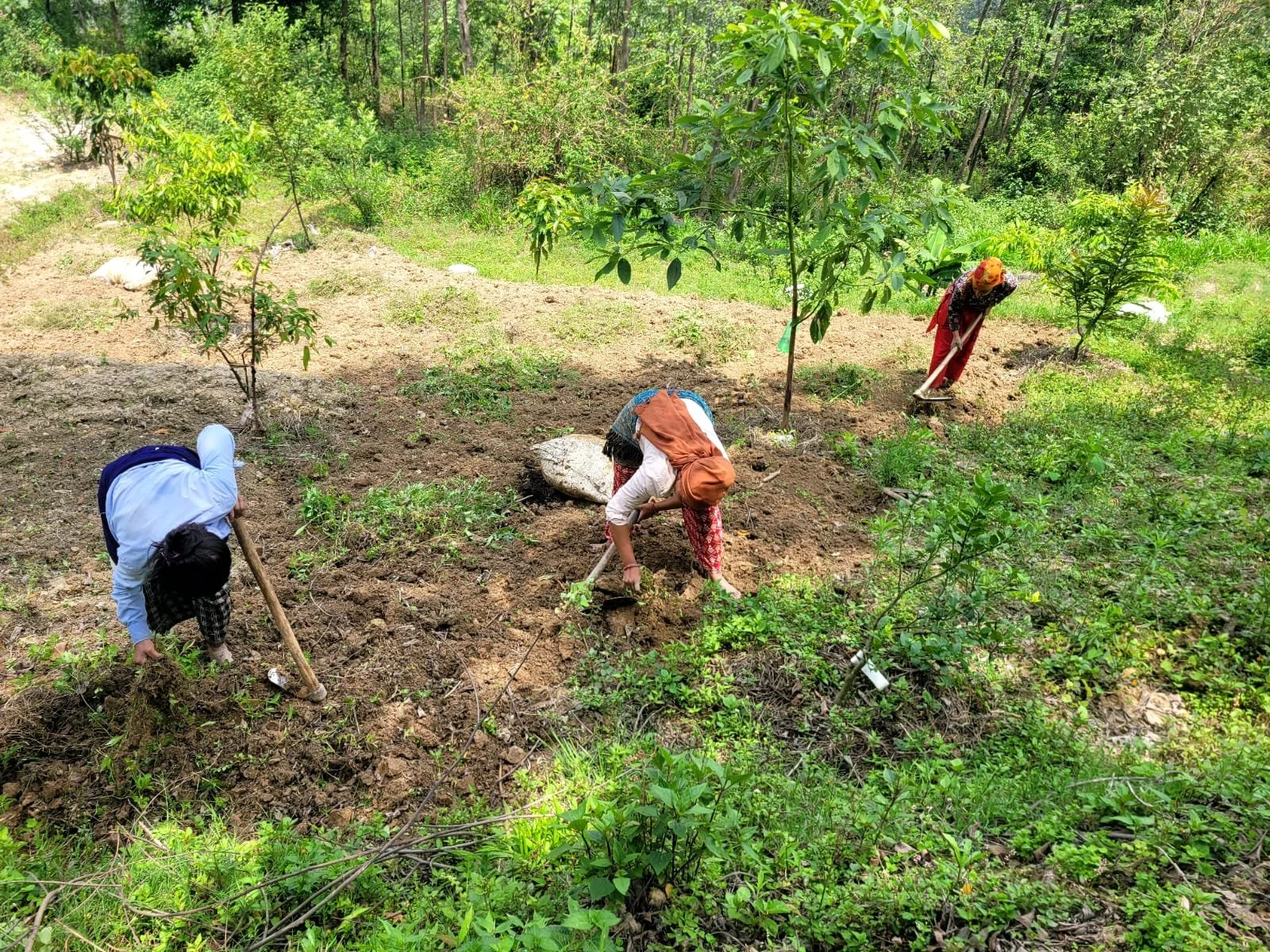
Across both sites, practices like mulching, diversified cropping, and agroforestry design are helping to stabilise yields and retain soil moisture through increasingly unpredictable rainfall. For farmers managing volatile monsoons and uncertain harvests, a pond that holds water through the dry season or a diversified system that provides food year-round is what differentiates stability and crisis.
Financing the Transition
The TAPE results point to a clear challenge: financial systems need to evolve if farmers are to transition at scale.
In both Sunkhani and Dulikhel, most farmers already belong to cooperatives that work to negotiate better access to credit. These cooperatives represent a natural entry point for Village Savings and Loan Associations (VSLAs) and other microfinance approaches that could support regenerative investments. Simultaneously, any future initiative will need to start by rebuilding trust and working through existing structures rather than bypassing them.
Green Intelligence is also exploring more innovative approaches, including the possibility of treating trees as a form of collateral. In agroforestry systems, species like ginger, cardamom, Timur, and timber trees represent a predictable stream of future income. If local financial institutions can recognise that value, it could open new pathways for low-risk microloans tied directly to regenerative practices. These ideas are still early-stage, but they reflect the kind of systems-level thinking that FAO TAPE is encouraging: treating finance not as an afterthought, but as a core pillar of the transition.
Gender and Decision-Making
FAO TAPE also sheds light on gender equity—particularly in Dulikhel, where gender-related indicators scored relatively low.
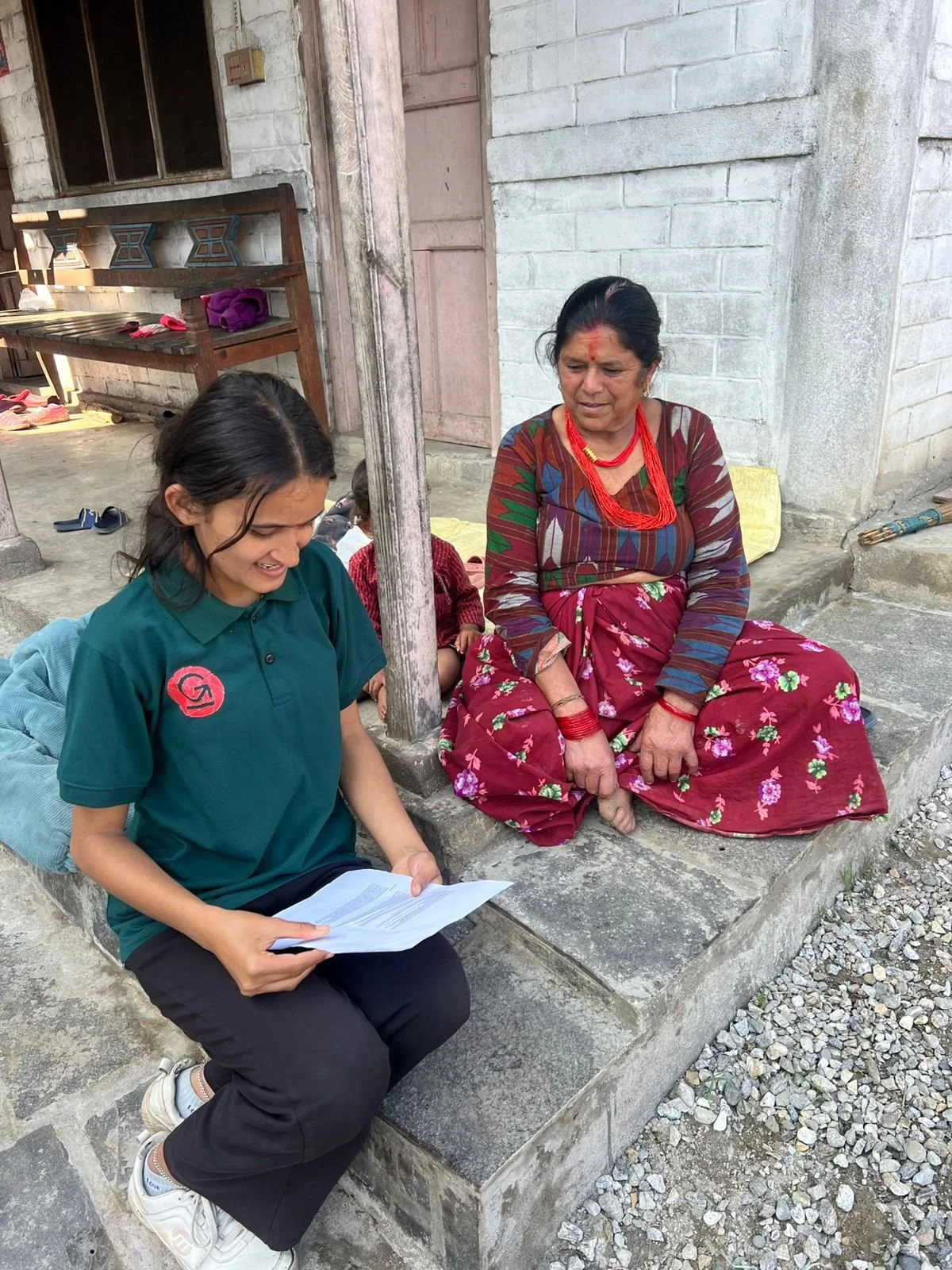
FAO TAPE interviews in Sunkhani
Rather than treating these results as a fixed judgment, the team sees them as a prompt for deeper inquiry. Future phases of the project will explore how governance structures around the model farms can better include women in decision-making, what forms of training and cooperative design might help shift underlying power dynamics, and how to better record and value the unpaid labour that women contribute to regenerative systems.
FAO TAPE doesn't provide all the answers, but it ensures that questions of gender and social equity remain central to any definition of success.
Updates from the Farm
While assessment frameworks set direction, the heart of the project is found in the daily work on the land.
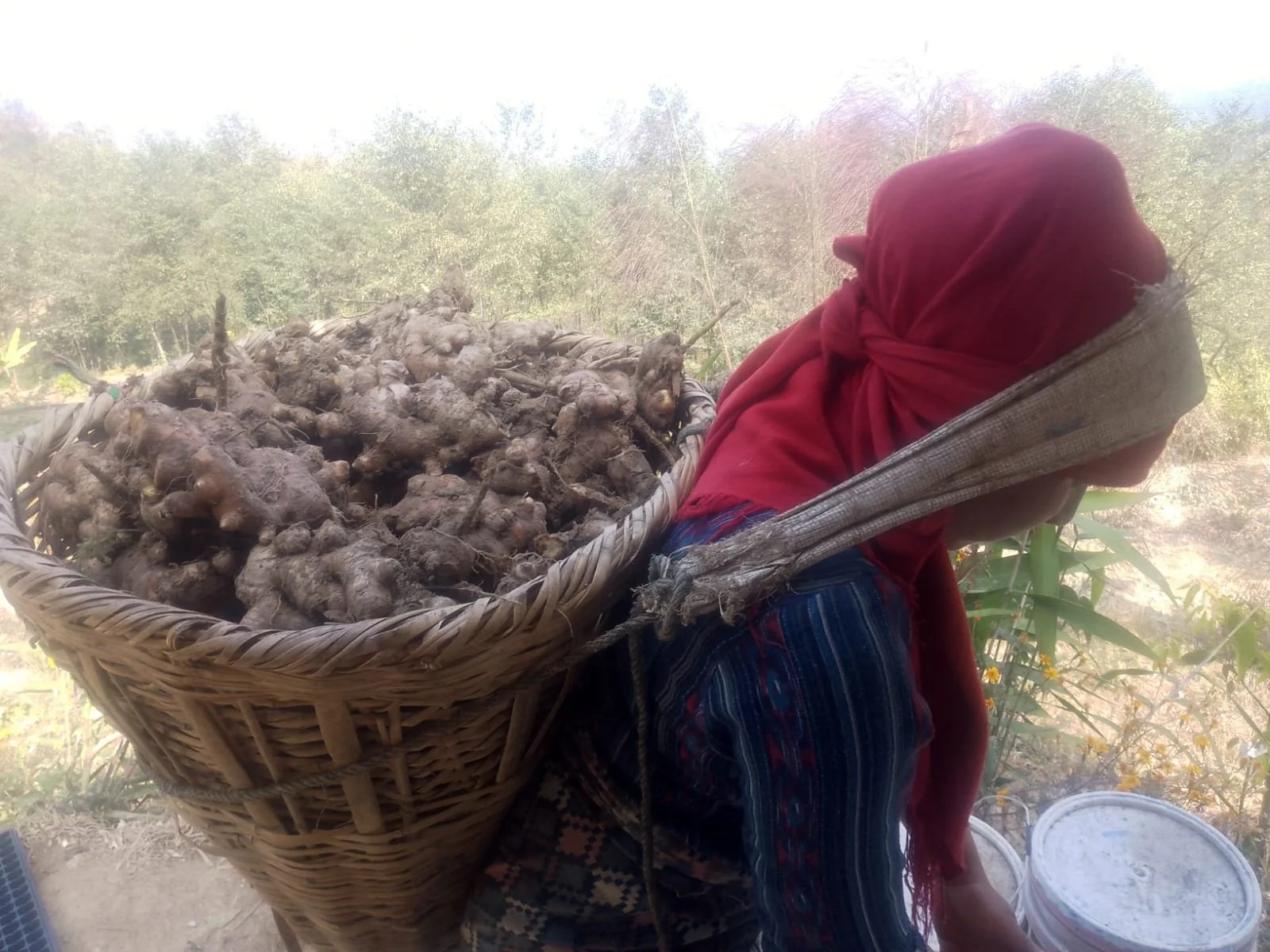
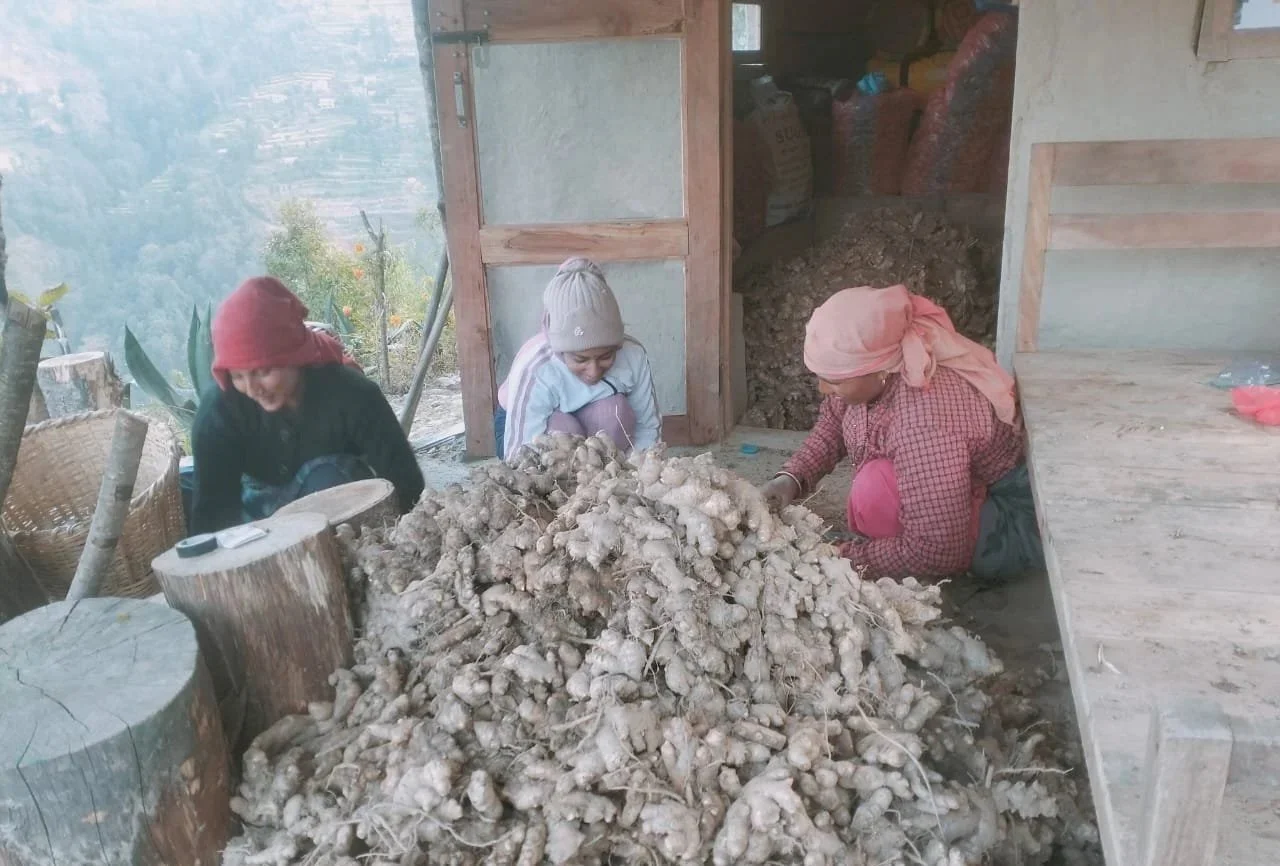
Earlier this year, the Dulikhel model farm harvested around 600-700 kilograms of ginger. That single harvest is now seeding a local seed bank of high-quality ginger, laying the groundwork for future aggregation and market access.
Pollinators have also been a focus. What started as a single beehive on the model farm has since grown to two hives. Over time, a larger pollinator population will boost yields across the agroforestry system and create a modest but meaningful honey income stream for the community.
As the ecological systems mature, both farms continue to serve as learning hubs—not just for the farmers directly involved, but for the wider network of communities beginning to explore what regenerative agriculture can offer in the Himalayas.
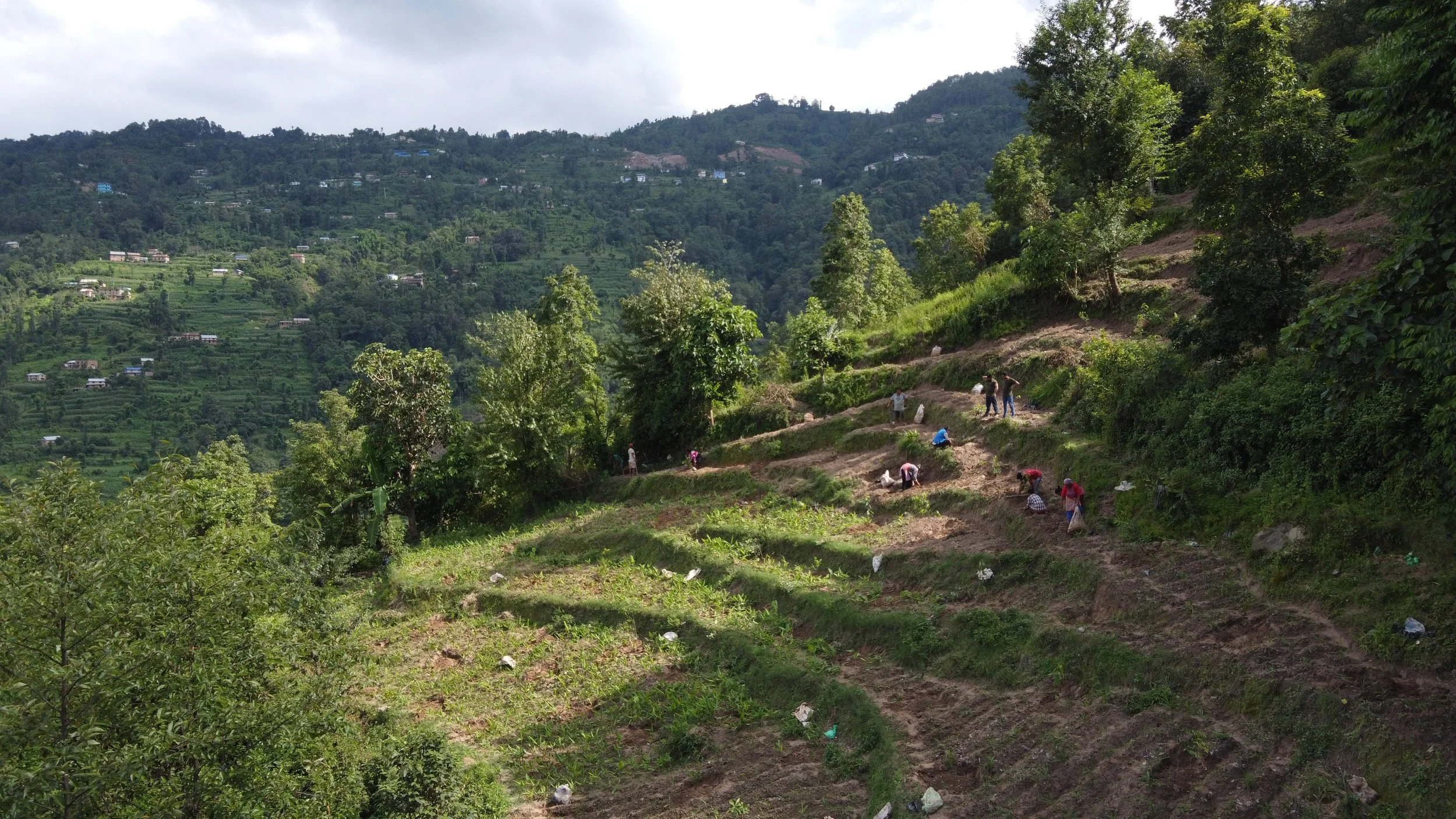
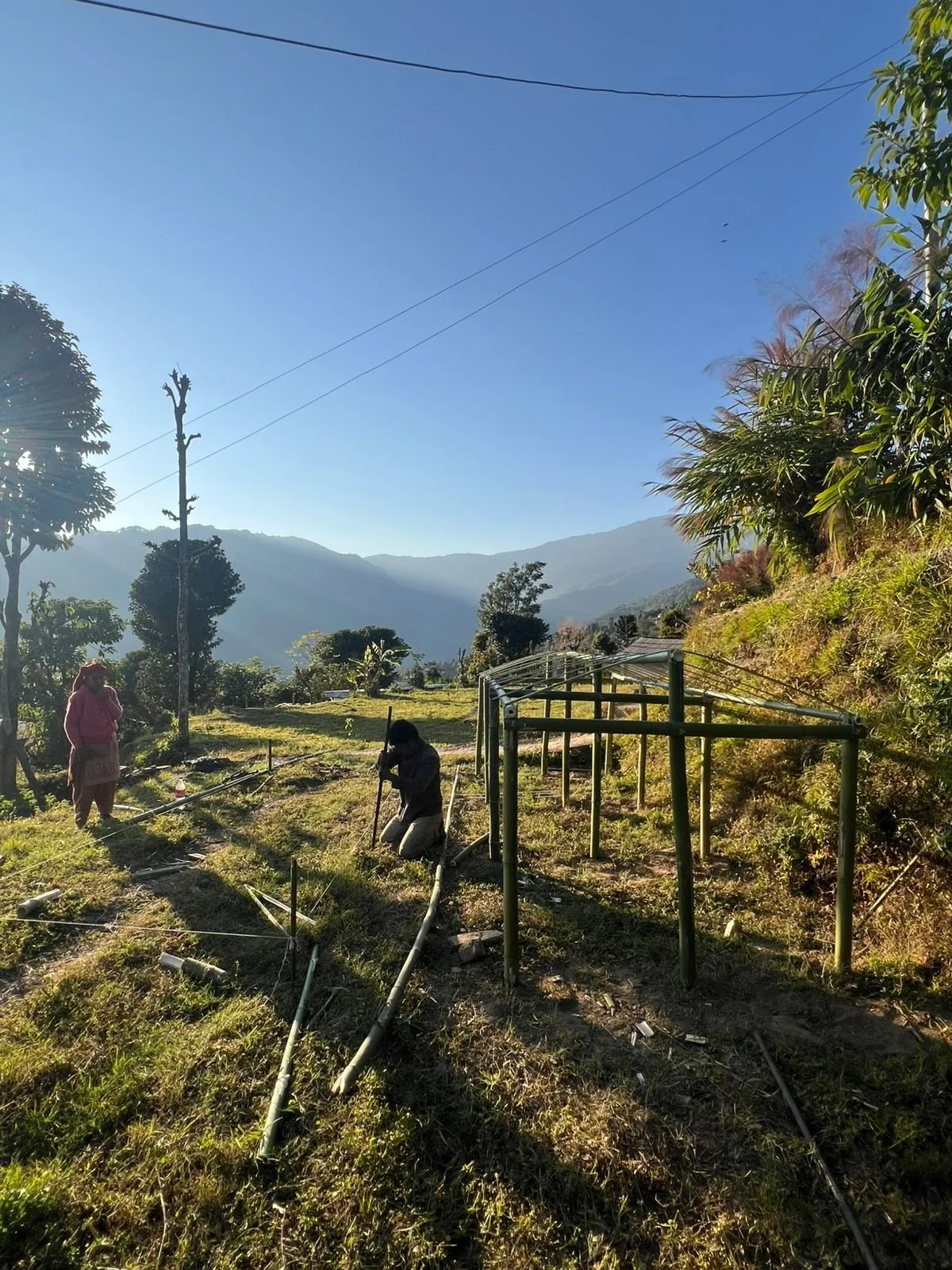
Dhulikhel Model Farm