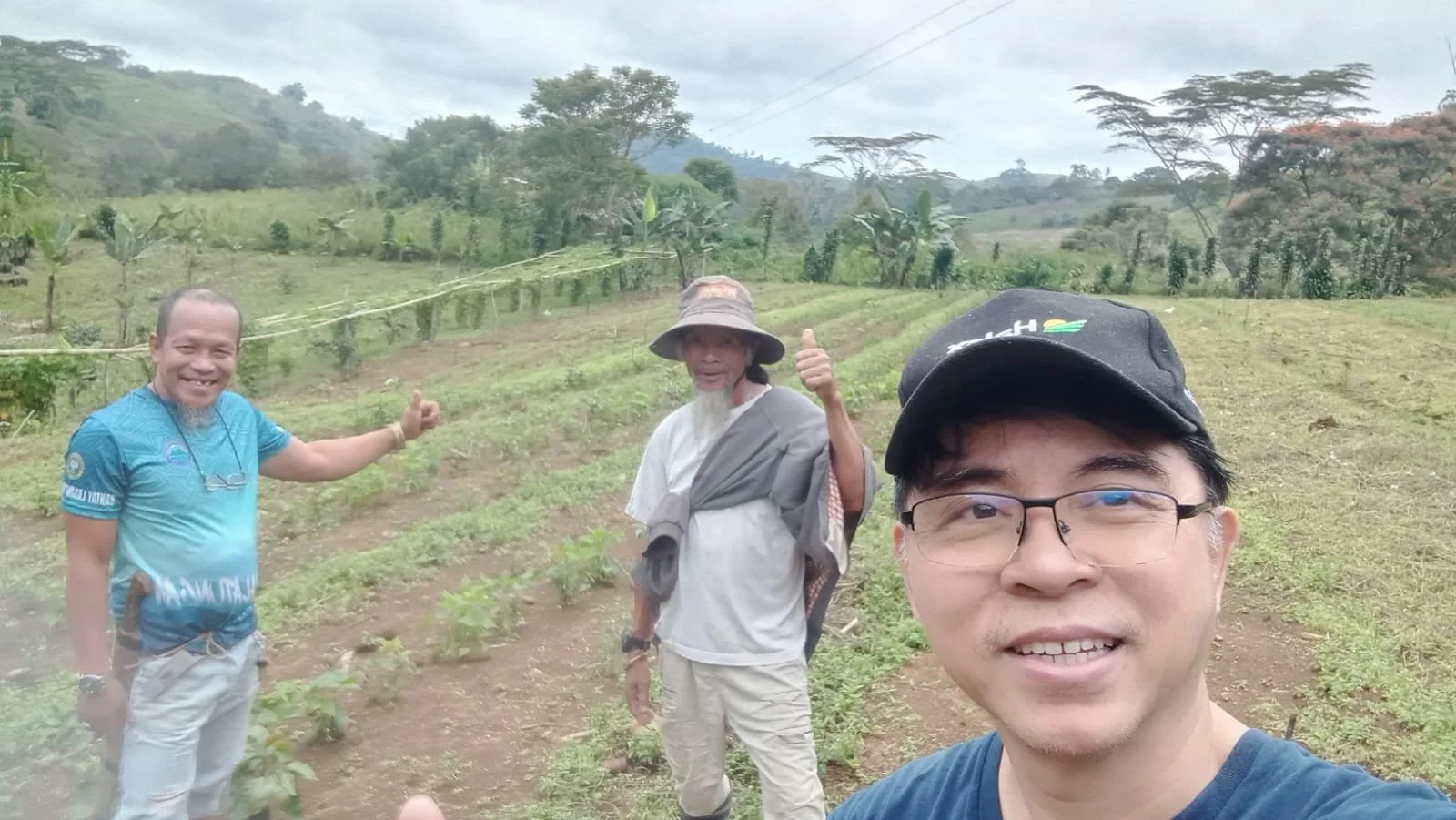
Regenerating the Bean-to-Cup: Mindanao Project Final Update
Another regional initiative has concluded, effectively showcasing that ecological and cultural regeneration through a cup of coffee is indeed achievable. In the mountains of Bukidnon, Philippines, a foundation for regenerative coffee has been created, setting a standard for sustainable production in the local coffee-growing industry.
Similar to many countries in Southeast Asia, coffee cultivation in the Philippines is on the rise, driven by increasing demand and coffee lovers looking for more diverse options. However, farmers in the country are also experiencing significant pressure from land purchase and development, a challenge that our project farmers have been encountering on Mindanao Island. The loss of land results in the destruction of livelihoods and the erasure of indigenous identity.
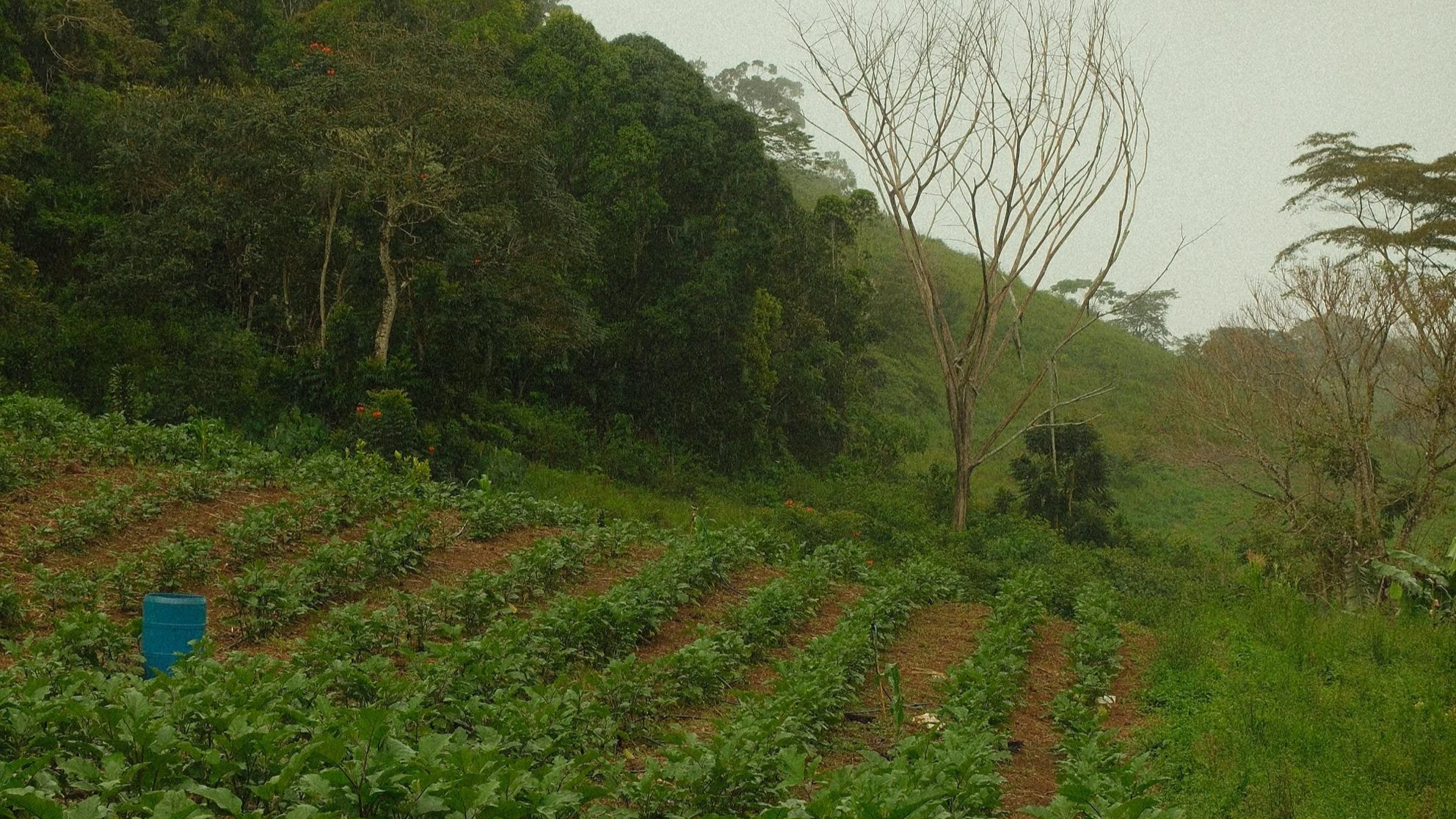
From November 2024 to December 2025, we partnered with reNature and Tribes and Natures Defenders Inc. (TRINAD) to implement the country's first regenerative agroforestry model for coffee, transforming 10 hectares of land across 20 indigenous farming households into a multi-strata sanctuary for biodiversity, economic resilience, and the preservation of tribal knowledge.
Let’s dive into this journey from sowing seedlings to nurturing the nutrients of coffee trees together!
Measuring the Baseline
To ensure the project meets global standards of evaluation, a comprehensive context analysis and baseline survey were conducted using the Food and Agriculture Organization’s (FAO) Tool for Agroecology Performance Evaluation (TAPE) prior to the design implementation. This framework moves beyond the standard measures of productivity to encompass a project’s environmental, social and cultural, economic, nutrition, and governance dimensions. For more information on the FAO TAPE, please refer to our previous blog.
With the help of TRINAD, reNature assessed 20 farm sites across 10 Core Agroecological Transition (CAET) elements in April 2025. The context analysis and baseline survey revealed significant opportunities as well as areas of attention:
Strong Cultural Identity: The farmers scored an impressive 85.4% CAET score in "Culture and Food Traditions," reflecting the vital role of indigenous heritage in their farming and daily practices.
Social Cohesion: "Human and Social Values" scored 69.3%, indicating a robust structure allowing the community to support each other.
Efficiency and Recycling Gaps: In contrast, scores for "Efficiency" (38.1%) and "Recycling" (25.8%) were low. Meaning farming practices and resource management require more attention.
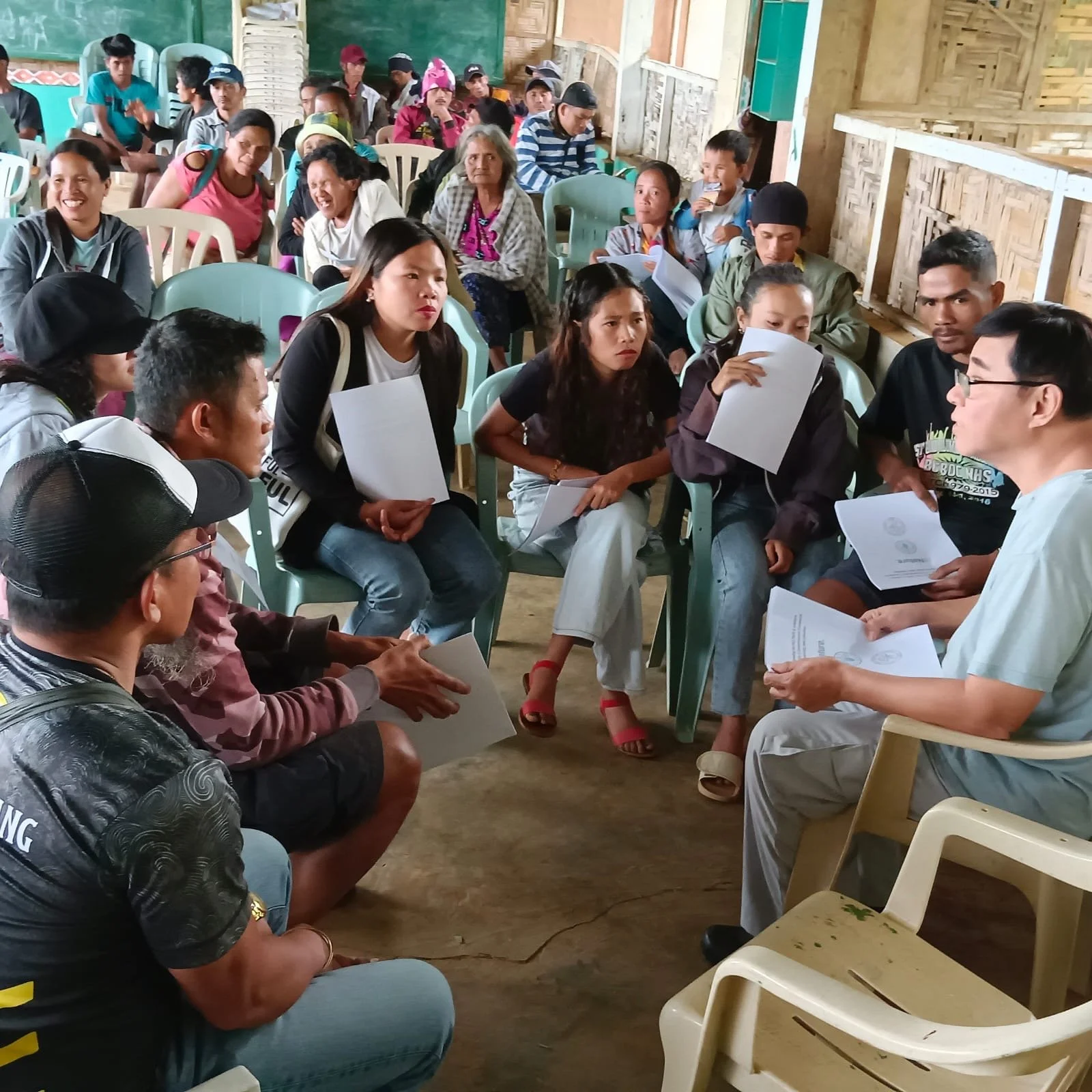
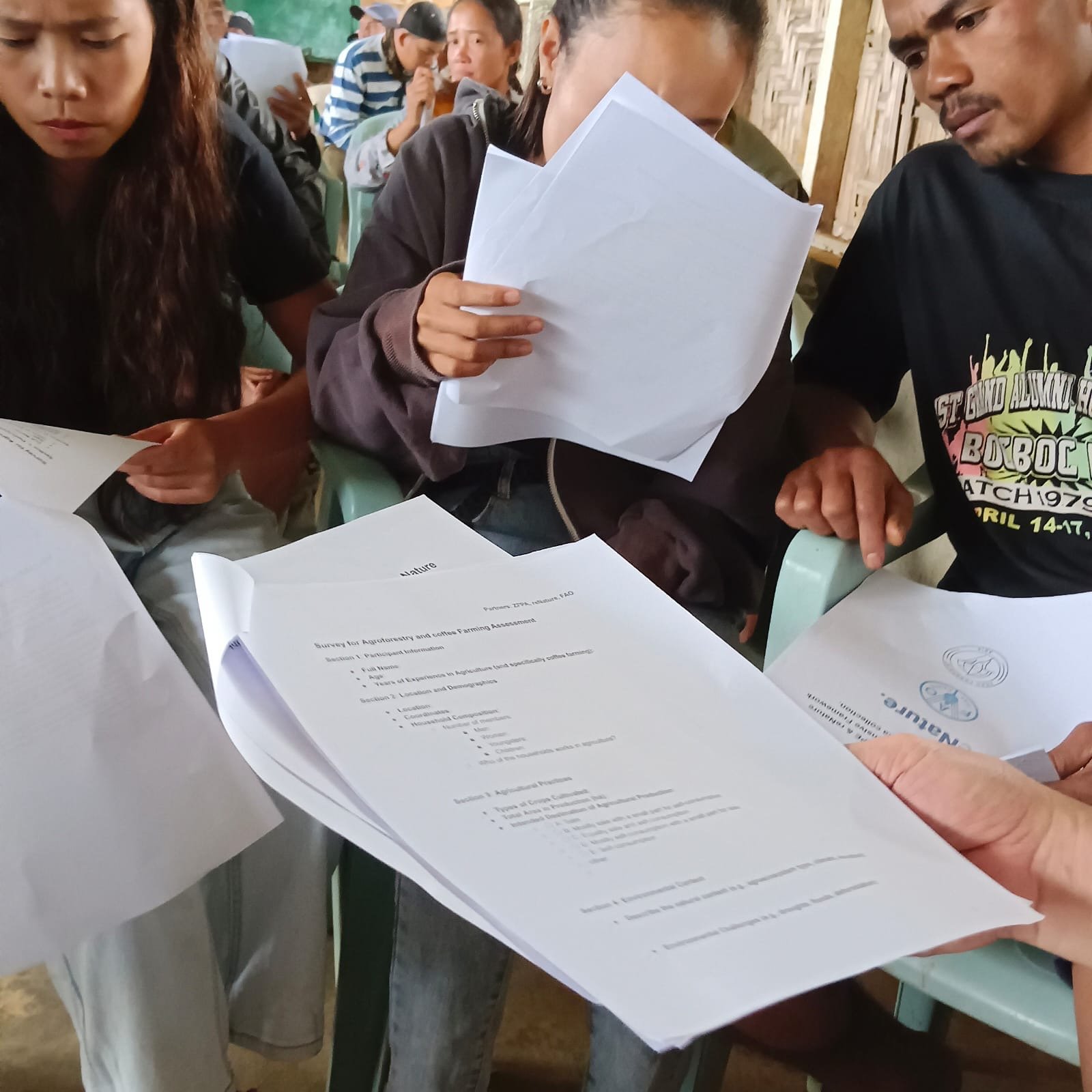
The TAPE analysis confirmed that while the cultural foundation was strong, technical interventions were needed to boost economic and ecological efficiency. The findings directly informed the project design and intervention priorities. Furthermore, this baseline data can serve as a reference for future surveys, enabling cross-examination and insight-gathering.
Multi-Crop Income Agroforestry Design
Considering that the first coffee harvest takes approximately 3-4 years, the design must account for short-term income while also focusing on cultivating robust, healthy coffee cherries. Central to the project is its multi-strata design, created by reNature in collaboration with Arthur Baria, a local consultant with extensive expertise in coffee and community development, who previously led the Nescafé Plan.
Twenty farms, each covering 0.5 hectares, successfully adopted the regenerative agroforestry coffee design. Together, these farms planted over 24,000 plants, each serving various ecological functions and succession rates, all aimed at ensuring long-term economic stability and enhancing biodiversity.
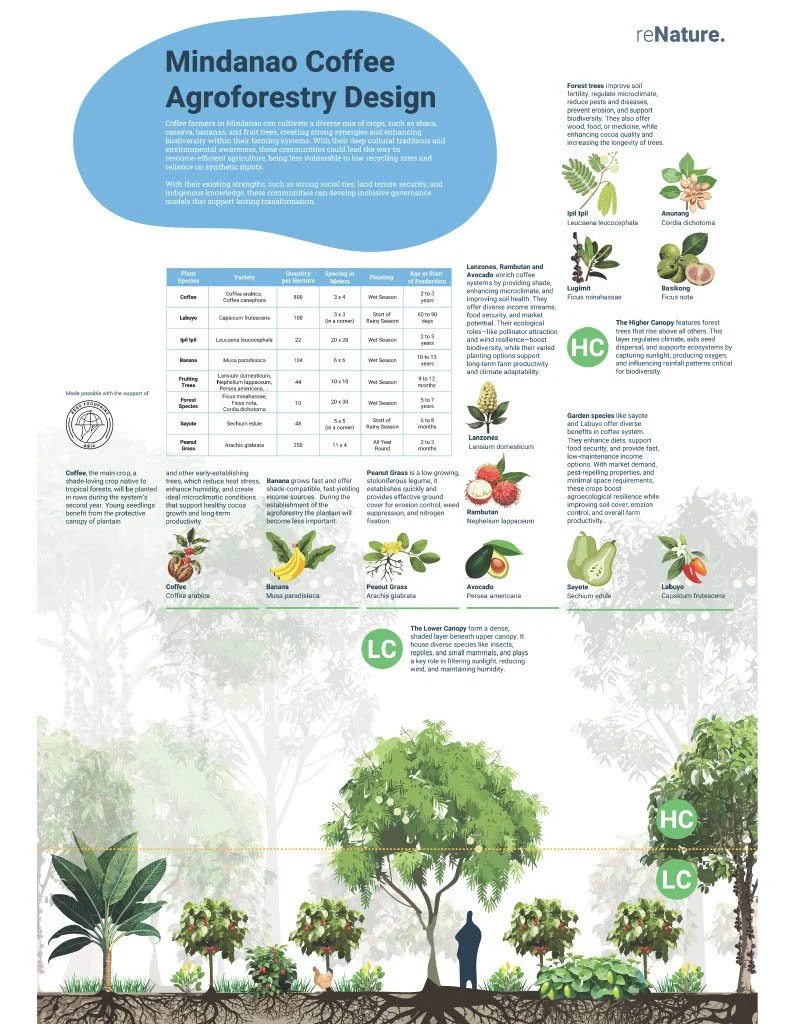
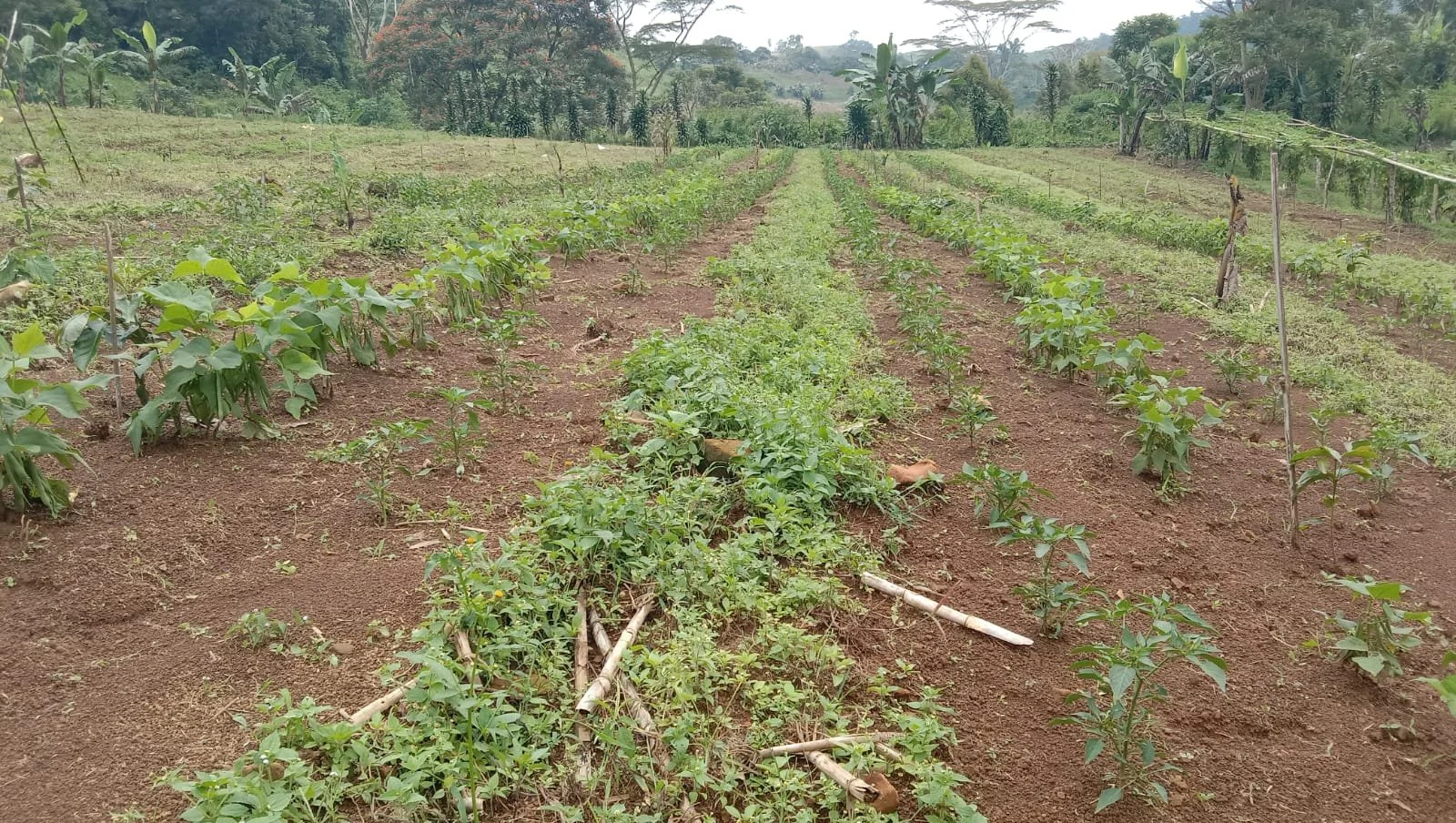
Each 0.5-hectare plot serves as a complex ecosystem rather than a monoculture arrangement with an average of 791 coffee trees planted as the primary long-term production crop. Additionally, short- to medium-term cash crops such as chili (labuyo), chayote (sayote), abaca, banana, and avocado can be harvested within just a few months and continuously, thanks to the perennial nature of some of these crops. Alongside the cash crops, trees and other species are planted for ecological support and cultural significance; for instance, ipil-ipil is used for nitrogen fixation, while the Lugemic tree provides shade, enhances biodiversity, and supports indigenous cultural continuity.
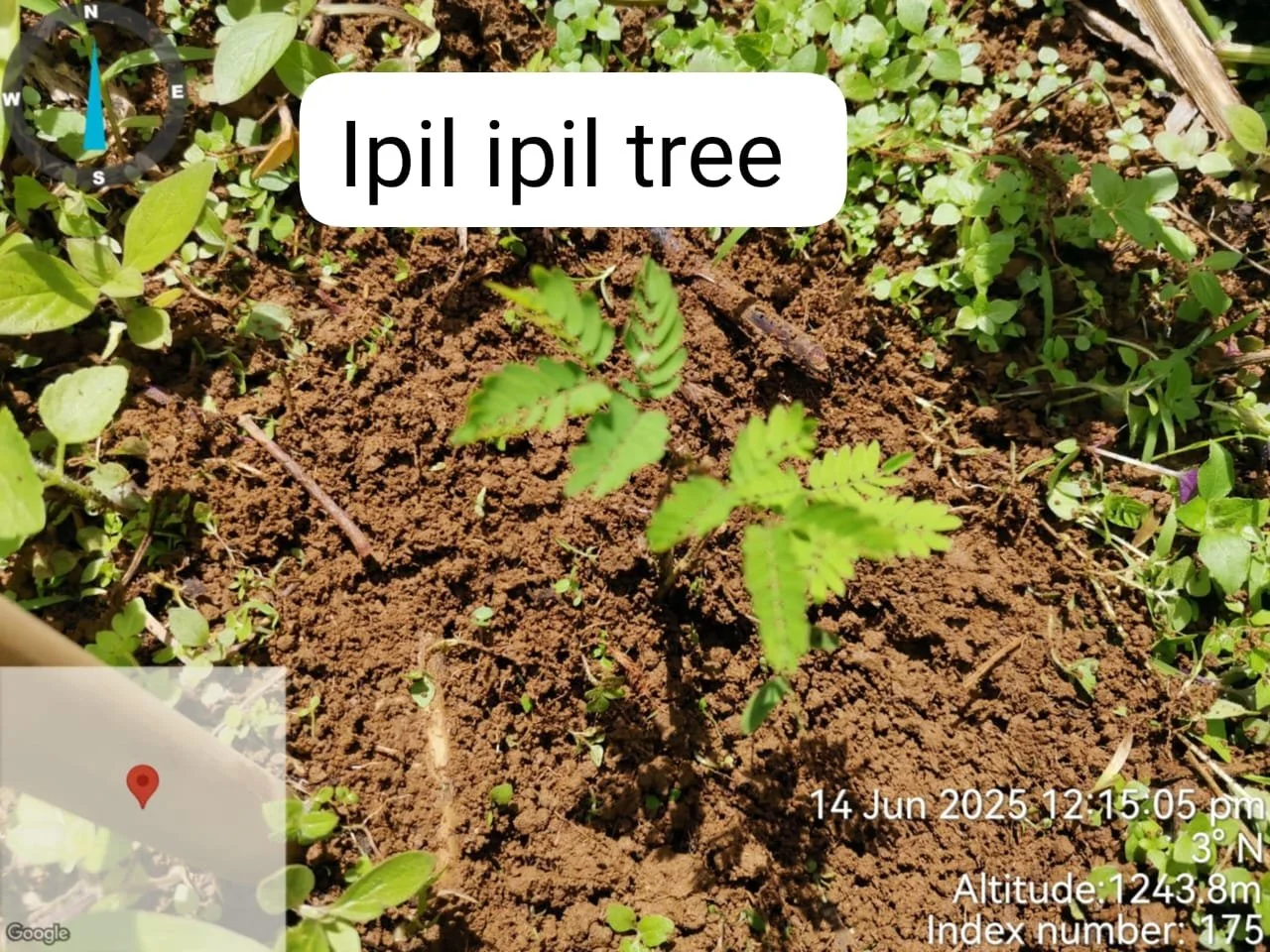
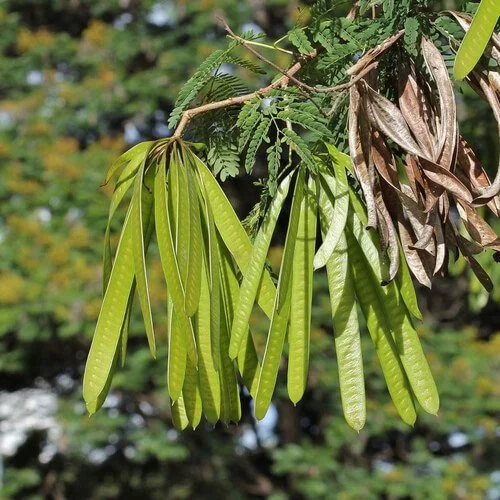
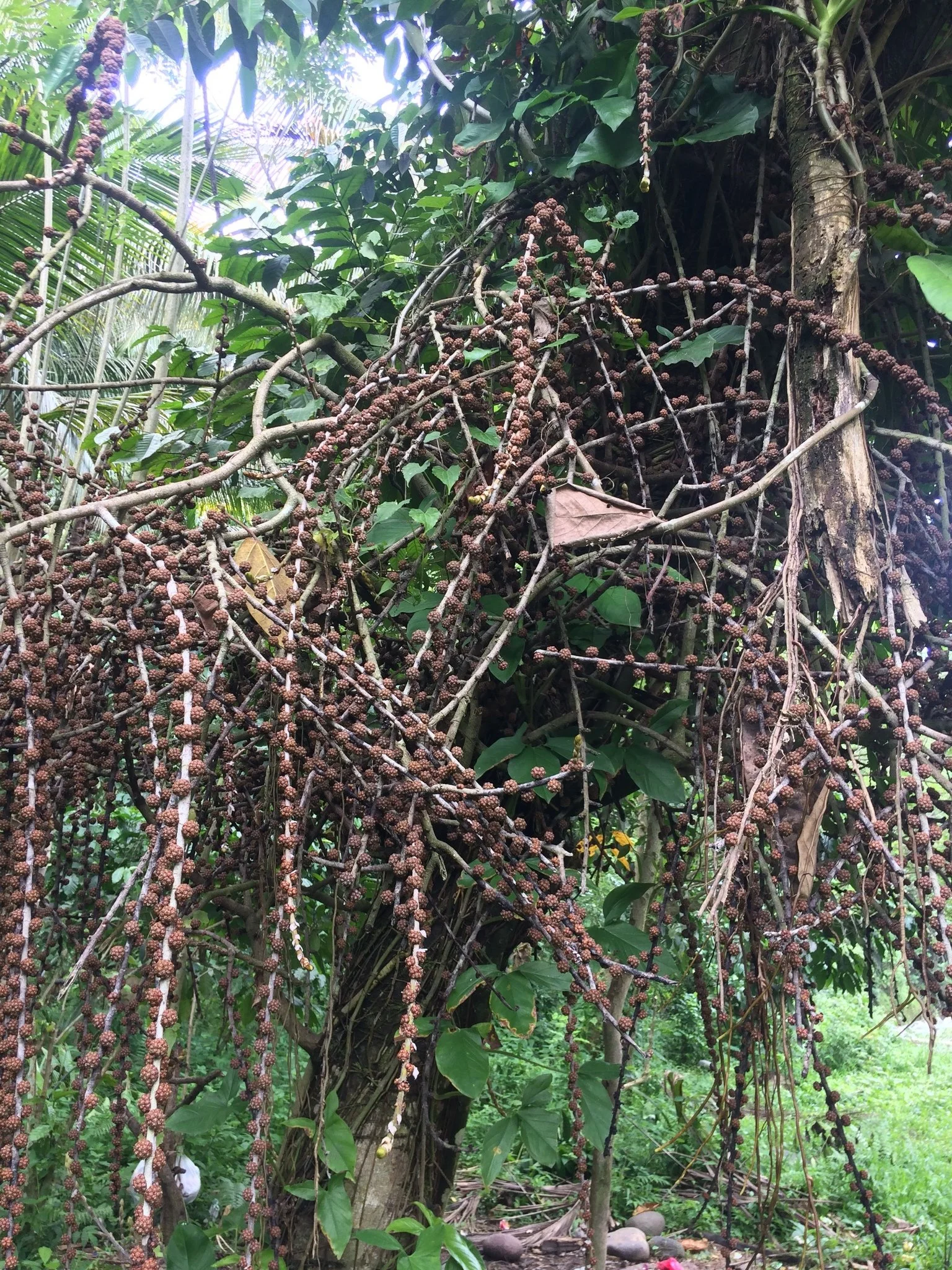
Ipil Ipil (left & center) and Lugimit (aka hagimit, from iNaturalist; right)
All plots follow Sloping Agricultural Land Technology (SALT) principles, also recognized by the UNFAO as a nature-friendly practice to tackle soil erosion, that is, to manage the steep mountainous terrain of Bukidnon and maximise water retention.
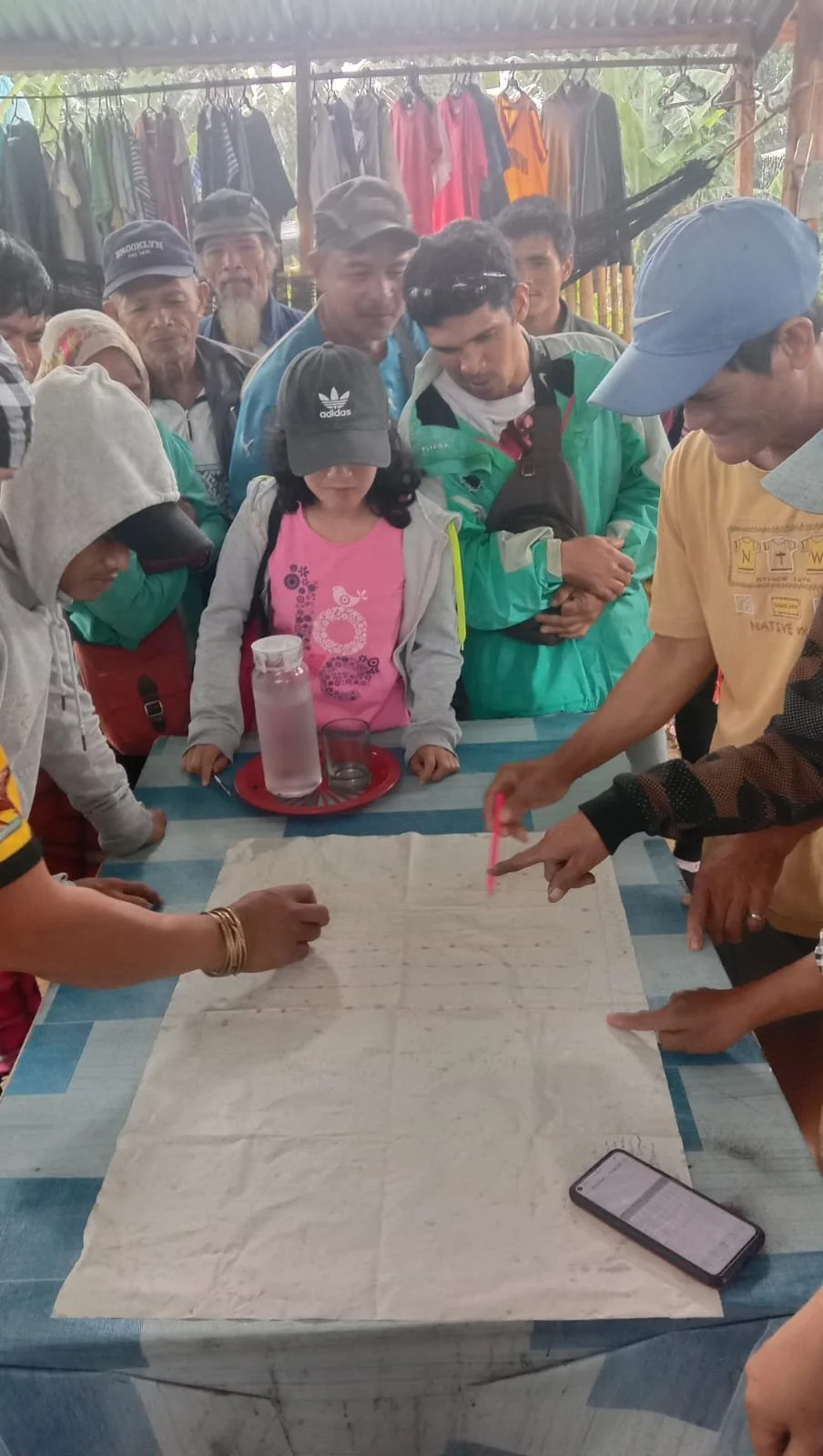
To ensure effective implementation and continuous evaluation, Arthur delivered 7 visits and 6 capacity-building sessions covering six modules, including Coffee 101 (basic coffee production and market assessment), Seedling Production and Transport, Integrated Crop Nutrition and Composting, Soil Sampling, SALT, and Cover Crops and Permanent Shade Trees. More than 40 farmers were trained to become trainers through classroom-based lectures and in-situ field demonstrations, with active participation from all genders and youth. This "train-the-trainer" approach ensures that the participants can independently manage and scale their farms in the future.
By integrating traditional knowledge backed by modern agroecological science, the project is able to create a "future-proof" system that serves as a replicable model for the wider Mindanao region.
Fueling Soil Health with Data
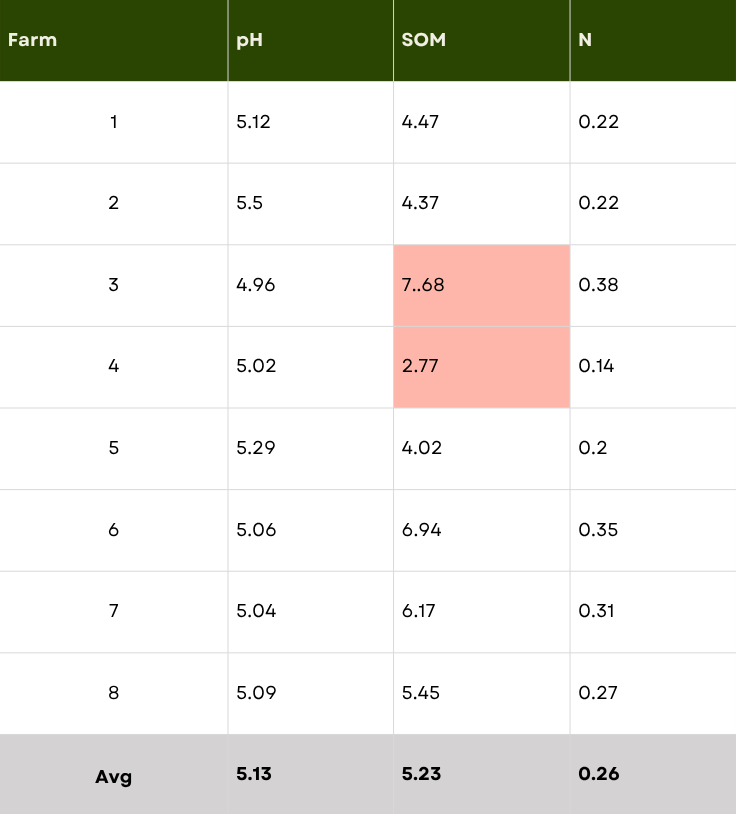
Soil health is the foundational pillar of regenerative agriculture and crop health. In October 2025, soil samples from 8 farms were analyzed by Central Mindanao University, evaluating the soil’s pH, Soil Organic Matter (SOM), and nitrogen, etc. The results showed that the soil is moderately acidic, with an average pH of 5.13. Since coffee thrives in a pH range of 5.5–6.5, lime application was recommended to several farms to raise the pH to suitable levels. In terms of SOM levels, the results showed a high deviation from 2.77% to 7.68%, with an average of 5.23%. For reference, industrial coffee farms’ SOM levels in tropical regions generally fall between 2-4%. The disparity we see in the project’s test reinforced the importance of the composting training, which teaches farmers to use local resources like coffee hulls and chicken dung to build soil fertility.
Regarding climate impact, reNature assessed the carbon sequestration potential at 868 tons in 10 years. As the current design prioritizes economic sustainability for the farmers, the density of forest shade trees is relatively low, leading to a lower carbon sequestration threshold. While this is insufficient for current carbon credit markets, the reNature team has begun exploring afforestation measures on marginal, non-cultivable land to increase the volume and potentially tap into carbon financing in the future.
Co-Creating with Indigenous Leaders
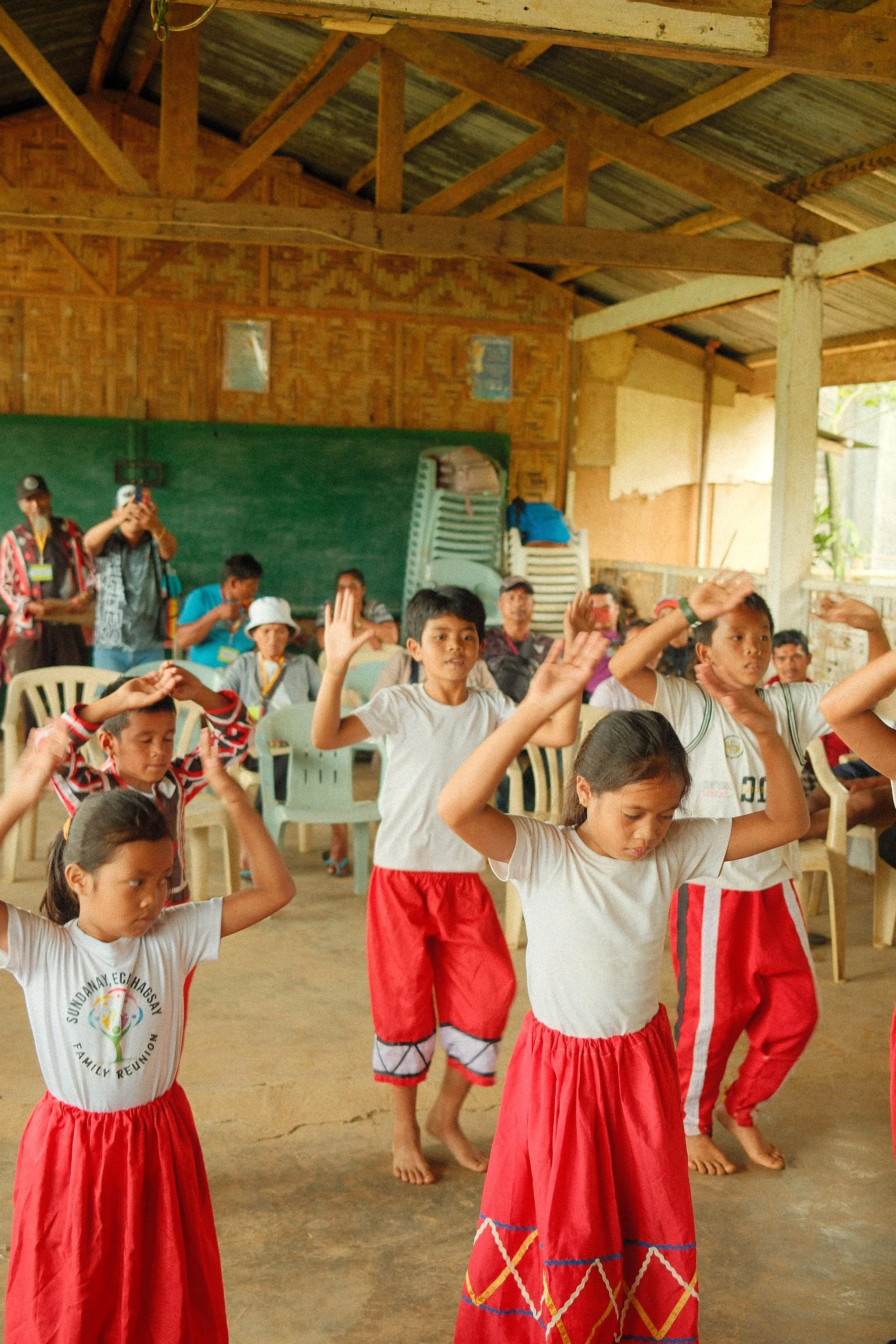
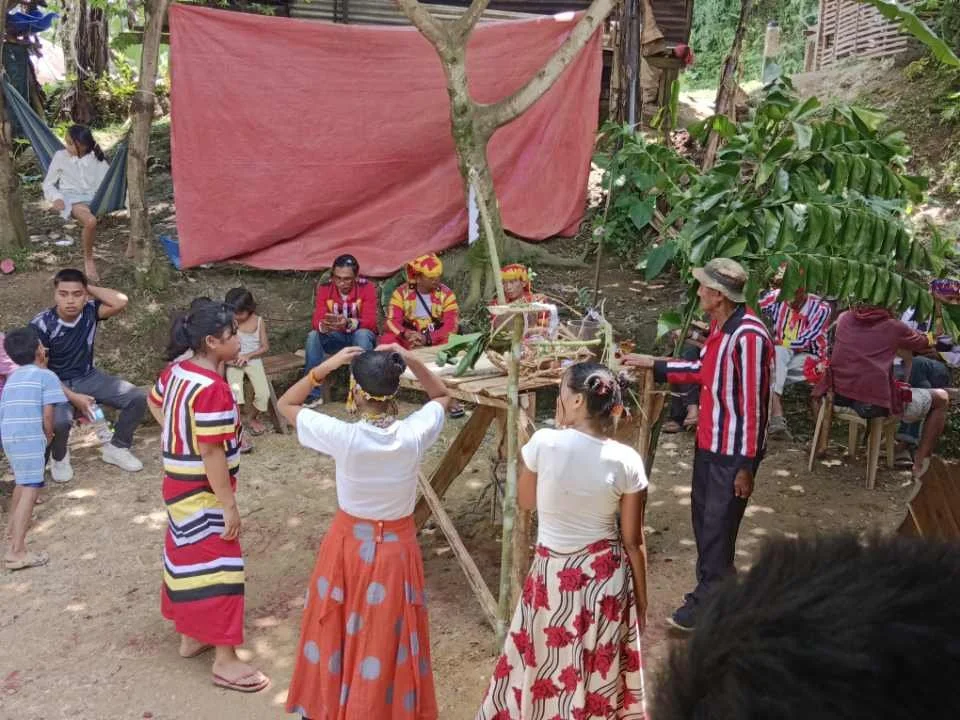
One of the key takeaways from this pilot is that social preparation and the integration of indigenous traditions are non-negotiable. Achieving success in indigenous areas relies heavily on establishing trust with local leaders, such as the Tribal Council of Elders that founded TRINAD. The implementation process was synchronized with traditional planting rituals, including Pangampo, Ibabasok, and Pamamahandi, which fostered deeper relationships with the community, nature, and spiritual beliefs. By honoring indigenous governance and incorporating sacred practices, the project cultivated a sense of community ownership and empowerment.
Next Phase
Building on the foundation of the first 20 farms, reNature and TRINAD aim to upscale and support 100 more farmers in implementing the agroforestry model, providing additional training on nutrient management, harvesting, processing, and agri-entrepreneurship further down the road when cherries are mature enough to be brewed into coffee.
The completion of Phase 1 in Mindanao marks a vital first step toward a more resilient Philippine coffee industry. By proving that a multi-crop, culturally integrated approach can work on the ground, the project has created a blueprint for both socio-cultural empowerment and environmental restoration. Whether you enjoy espresso or a V60 brewed pourover, coffee tastes better when it's grown with immense care and consideration for both nature and culture.