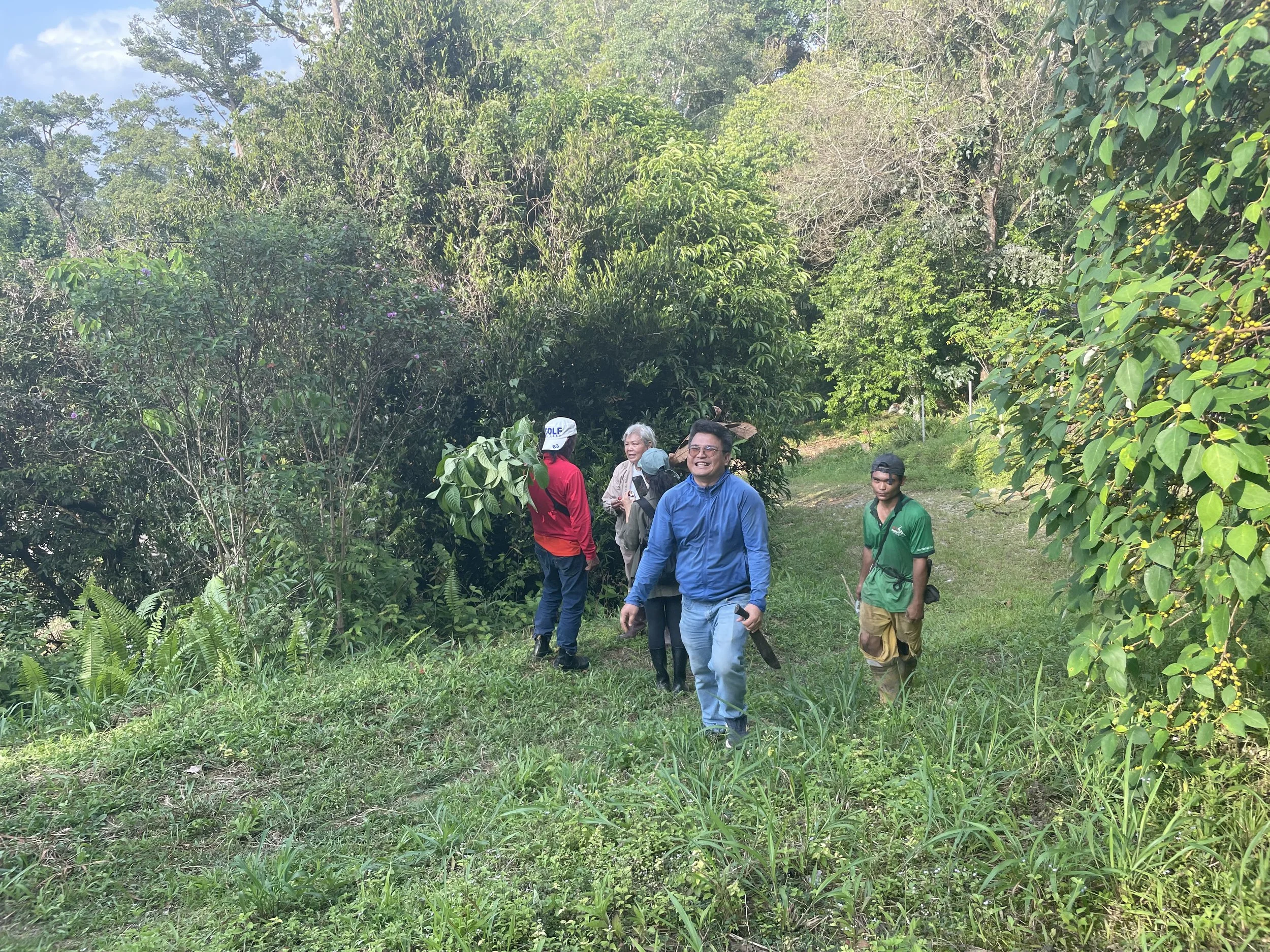
Two Archetypes, One Transition: FAO TAPE Findings from the Regenerative Model Farm Hub in Malaysia
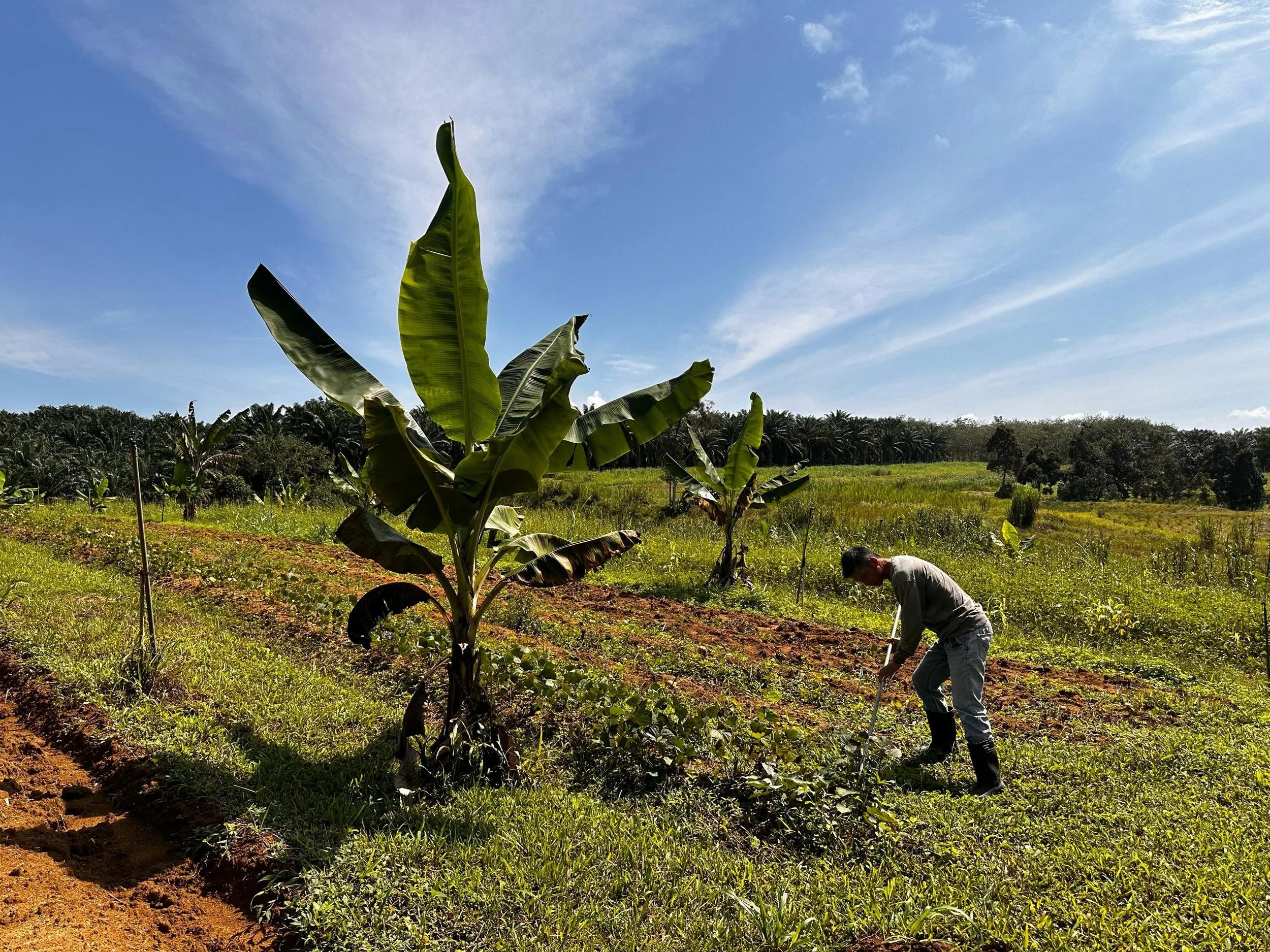
Transitioning to regenerative agriculture is rarely a one-size-fits-all process, as reinforced by the FAO TAPE findings recorded in Perak and Sarawak.
Conducted between January and February 2026 using the FAO's Tool for Agroecology Performance Evaluation (TAPE), the assessment scored 23 smallholder farmers across two contrasting Malaysian regions—Tanjung Tualang, Perak, and Bintulu, Sarawak—across 10 agroecological elements on a 0 to 4 scale, validated with in-field Visual Soil Assessments.
What emerged wasn't a single transition story, but two distinct archetypes, each requiring its own policy response.
Two Archetypes, Two Different Policy Needs
Perak: "High Efficiency, Vulnerable Monocultures"
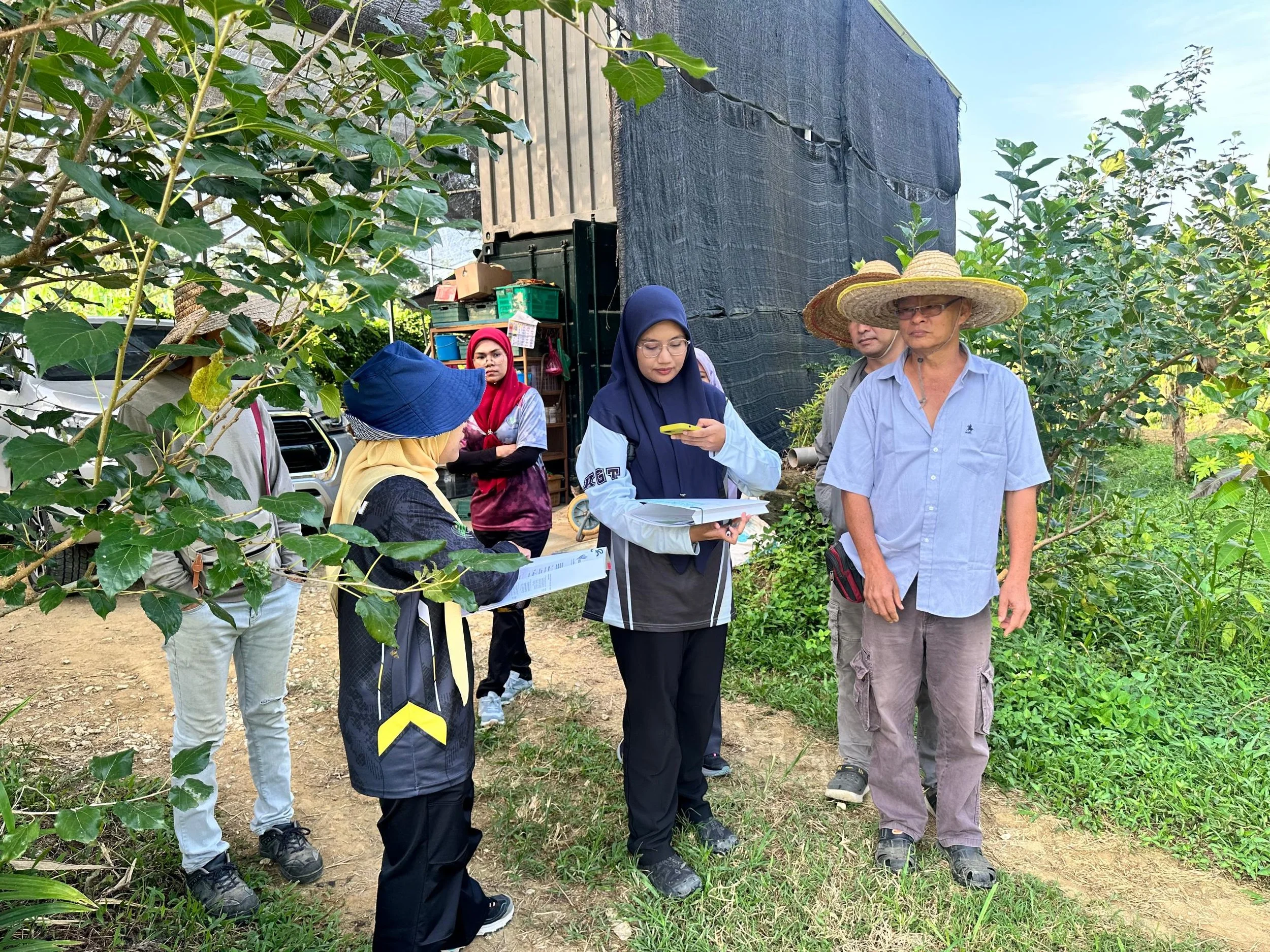
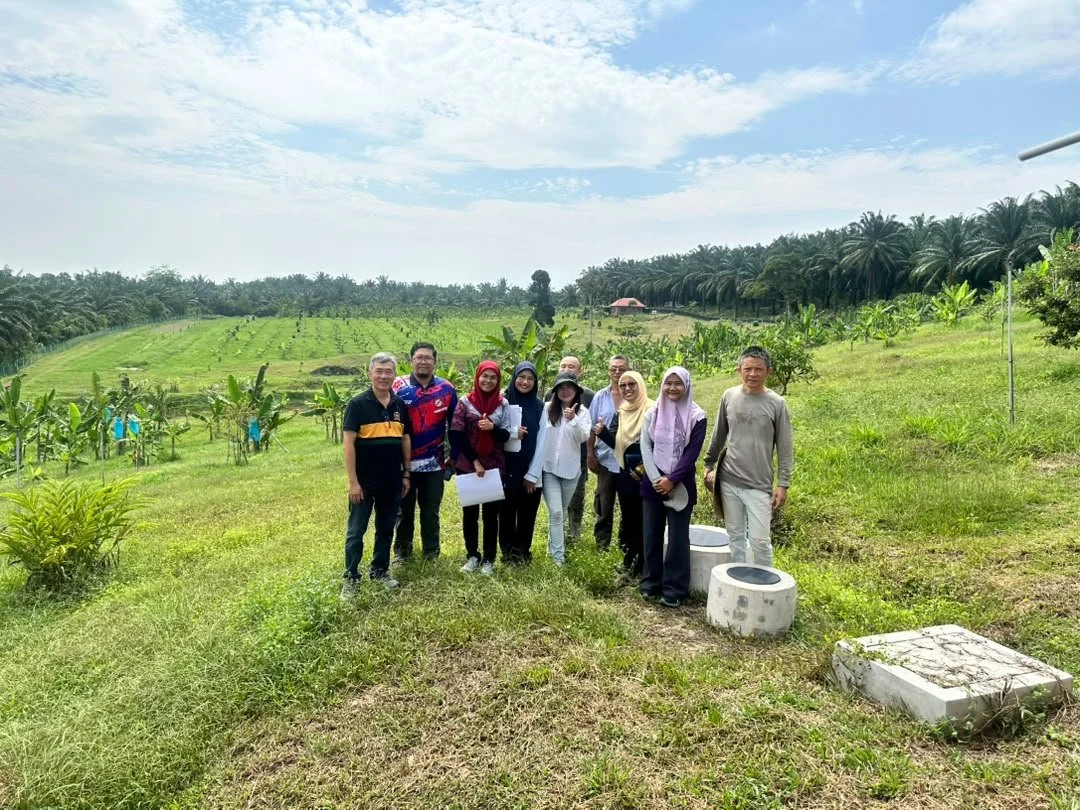
Perak's four surveyed farmers, an established Chinese-Malaysian farming community with 11 to 30+ years of experience, have built one of the strongest peer-driven agroecological networks TAPE has captured in the region.
In Perak, farmers have successfully eliminated external synthetic inputs through strong peer-to-peer knowledge networks. They scored high on Efficiency (4.00/4.0, 100%) and Co-creation of Knowledge (4.00/4.0, 100%), demonstrating an advanced, networked transition.
However, their lower scores in Diversity (1.75/4.0, 44%) and Resilience (2.00/4.0, 50%) suggest they still face critical vulnerabilities. Perak’s farmers are highly optimised but overly specialised, making them vulnerable to climate shocks or market crashes.
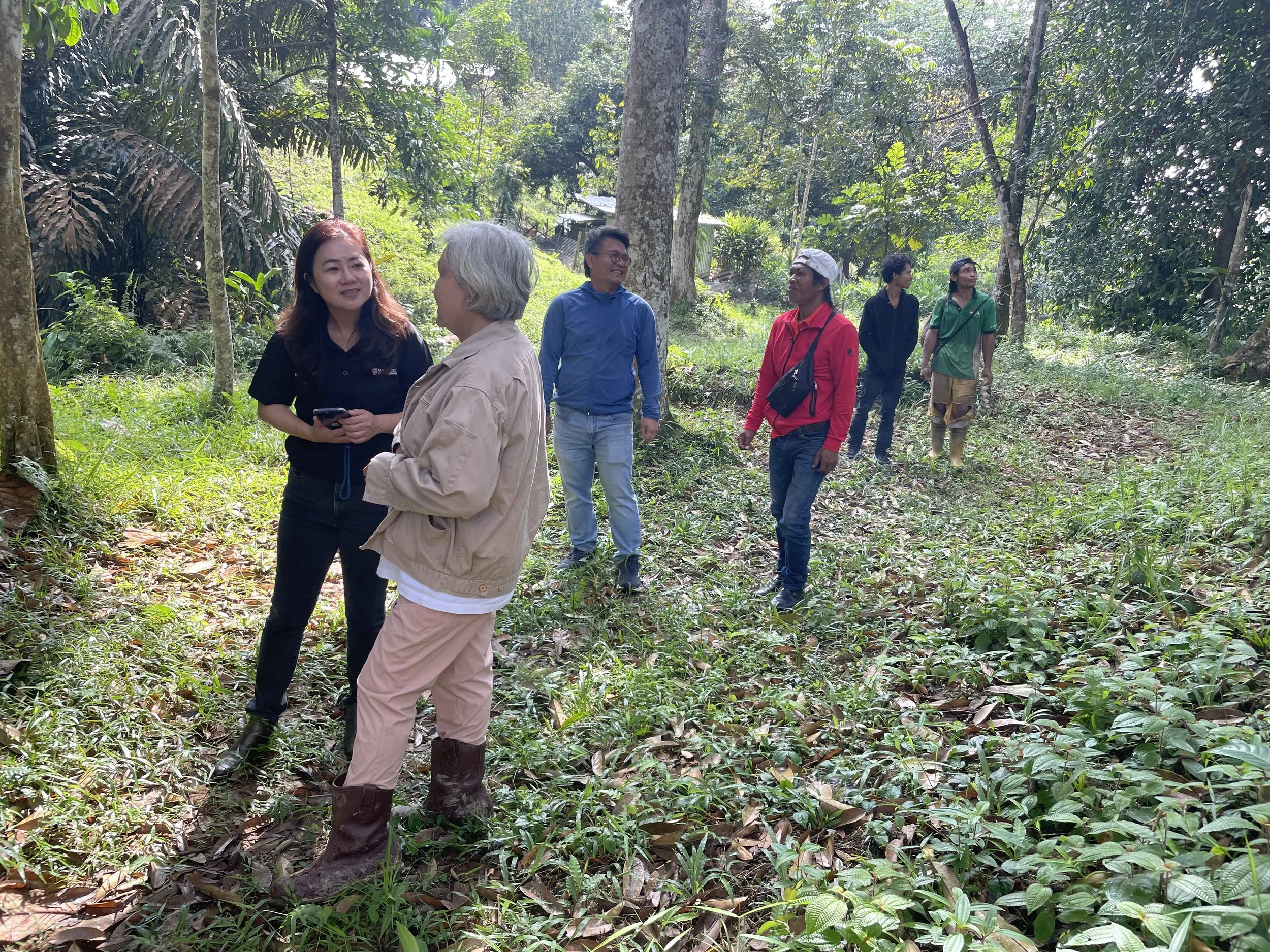
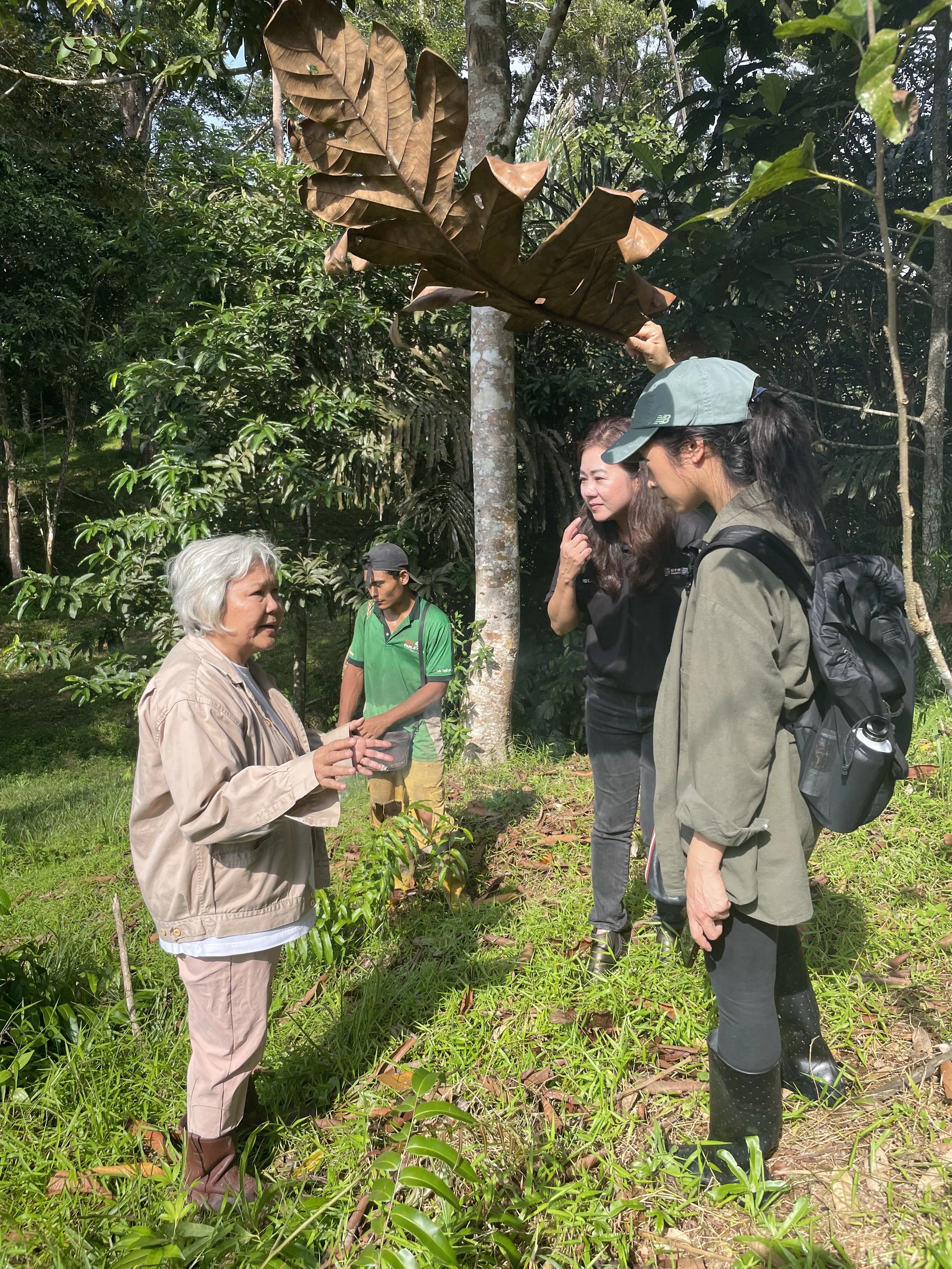
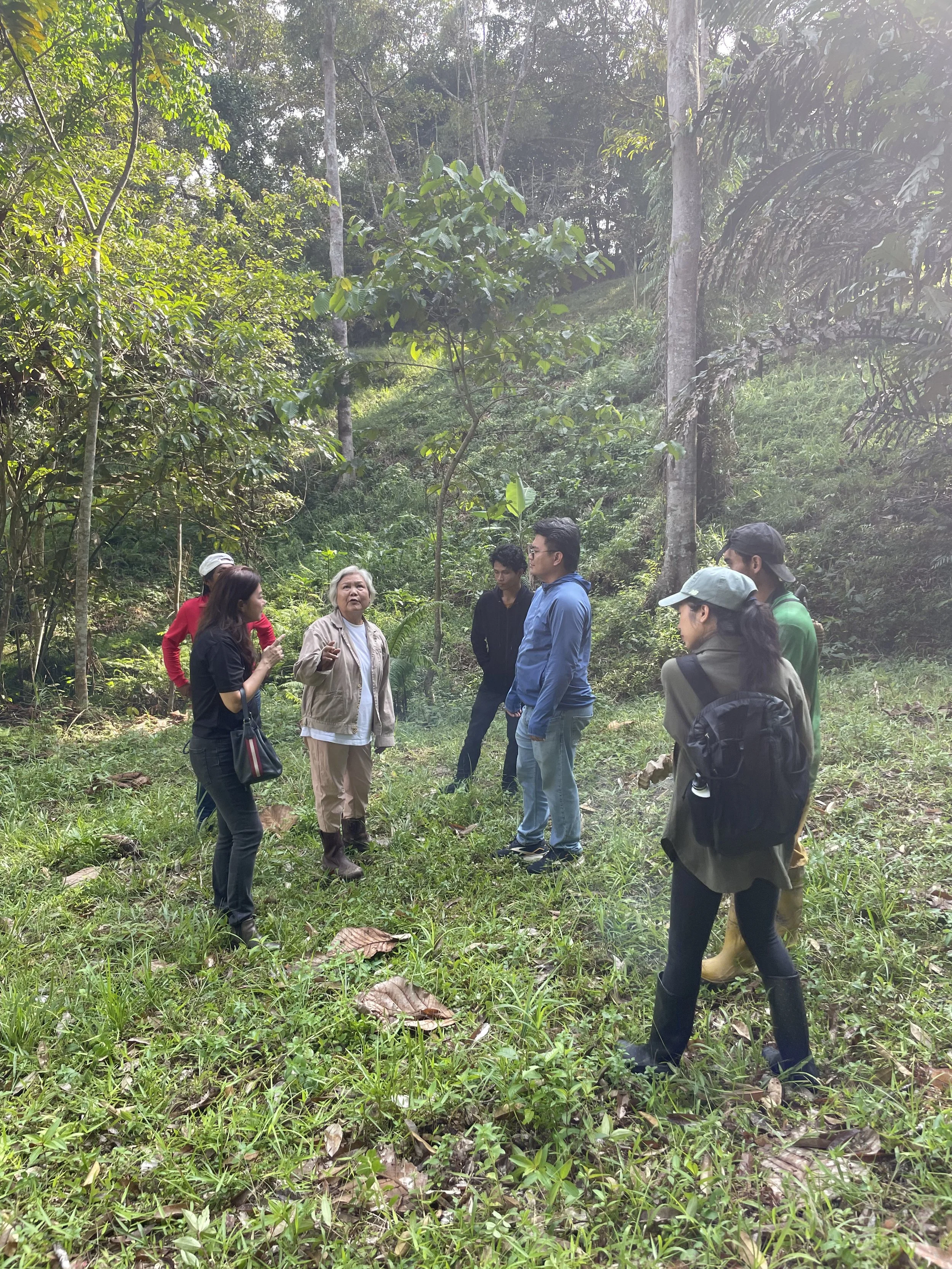
Visit to Rebecca’s Farm in Sarawak
Sarawak: "Isolated Resilience"
Sarawak's 19 surveyed farmers are notably younger and less established than Perak's, with 74% holding under 10 years of experience. The average farmer is 47.5 years old, six years younger than their Perak counterparts, and 79% are male, with four female respondents.
While they face severe knowledge and resource gaps, they scored high on Resilience (3.11/4.0, 78%), likely reflecting more diversified income strategies that buffer economic shocks, and marginally higher on Diversity (1.88/4.0, 47%).
However, these 19 smallholder farmers face a genuine knowledge and resource crisis. Co-creation of Knowledge (1.05/4.0, 26%) was the lowest score recorded in the survey. Notably, 68% of Sarawak farmers reported attending formal training. Yet, the data suggests many are either receiving training content that isn't agroecological in focus or struggling to transfer what they've learned into functional on-farm practice. That low practice transfer is dragging down Efficiency (1.58/4.0, 40%) as well, which highlights the single biggest regional gap in the entire assessment, against Perak's 4.00/4.0 (100%).
The Shared Weakness: Synergies
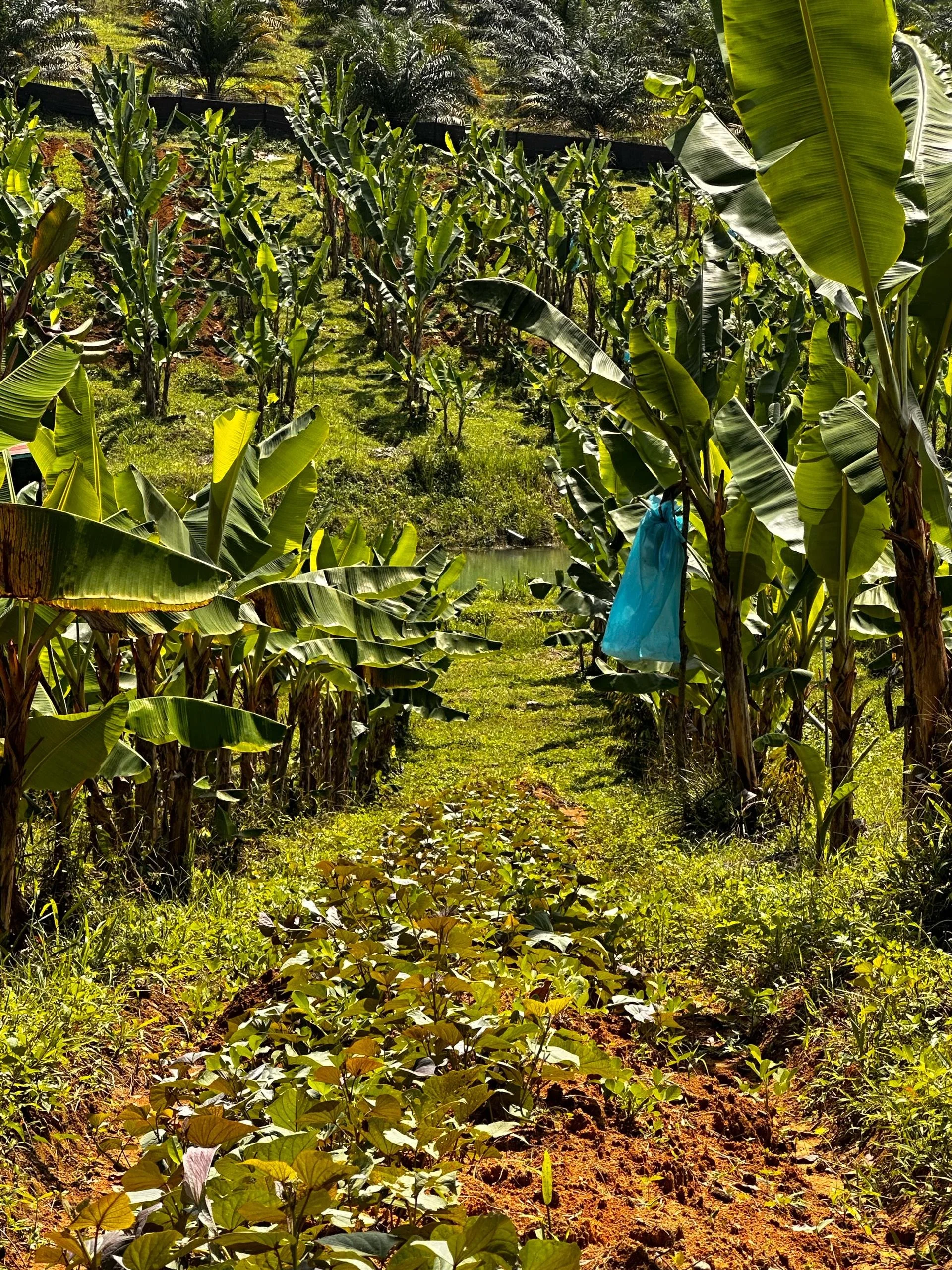
Despite their different strengths, both regions converge on the same critical gap: Synergies.
The ecological integration of crops, livestock, and natural zones through practices like cover cropping and nutrient looping is the lowest-performing CAET element overall, at 1.45/4.0 (36%). Across all 23 farms surveyed, these elements are being kept separate rather than functioning as an integrated system. Whether farms are technically advanced (Perak) or resource-diversified (Sarawak), they lack ecological integration across farms.
Barriers to Implementation
When farmers ranked the challenges standing in their way, the top three were policy and institutional in nature, not technical or knowledge-based:
myOrganic certification is hard and slow (4.27/5, 85%): The most critical finding of the barrier analysis revealed that the bureaucratic, costly, and time-consuming certification pathway actively disincentivises farmers from formalising practices they've adopted. The burden falls hardest on smallholders with limited literacy, financial capital, or administrative capacity to navigate it.
Absence of local demonstration farms (3.91/5, 78%) highlights a gap in the agricultural extension system. Agroecological practices are knowledge-intensive and context-specific; unlike conventional chemical-input farming, they require visible, hands-on models that farmers can walk through, not just manuals or lectures.
Sarawak's soil also reveals a paradoxical outcome: high Organic Matter scores (3.47/4.0) paired with low Soil-Plant Management scores. The likely explanation is residual forest legacy, not active management, meaning this soil health is inherited and could erode quickly without intentional practices to sustain it.
Recommendations
Policy & Institutional (targeting systemic barriers)
Reform the certification pathway: The Department of Agriculture should formally integrate and subsidise an FAO-endorsed Participatory Guarantee System (PGS) as an accessible alternative to third-party certification for smallholders.
Incentivise localised agroecological benchmarks: Government incentive programs should reward measurable agroecological transitions, not just subsidise synthetic inputs.
Multilingual knowledge dissemination: Extension materials need to be developed and distributed in Bahasa Malaysia, Mandarin, and local indigenous languages, particularly to close the knowledge gap in East Malaysia.
Extension & Knowledge (targeting each archetype)
For Perak: Leverage the community's already-strong peer networks to introduce training focused on diversification and resilience, including workshops on integrating secondary crops and agroforestry.
For Sarawak: Establish localised demo farms, through mobile training units or fixed sites, to directly address the region's critically low Co-creation of Knowledge score. High-performing local farmers should be empowered as knowledge-sharing facilitators for their neighbours.
Farm-Level (closing the Synergies gap)
Crop-livestock integration for pest control and nutrient cycling
Soil cover and living mulches to move farms away from bare-soil or plastic-mulch reliance
Nutrient recycling, with a Sarawak-specific focus on scaling up vermicomposting and bio-fertiliser production to shift away from synthetic input dependency
One recommendation ties the whole assessment together: connecting Perak's established knowledge network directly to Sarawak's underserved farming communities through demo farm exchanges and cross-regional farmer-to-farmer visits. It's a high-impact, low-cost strategy, and it reframes the two archetypes not as separate case studies, but as complementary pieces of the same national transition.
This baseline is the starting point for reNature MY's next phase of work and will continue to inform exactly where support is needed and what kind, in each community it's designed to serve.