Dishing the dirt Ep. 4 with Chudaree “Tam” Debhakam
For the first Dishing the dirt episode of 2026, we welcome our first female guest – Chudaree “Tam” Debhakam, founder and executive chef of Baan Tepa in Bangkok. Recently awarded the Sustainable Restaurant Award at Asia’s 50 Best Restaurants 2026, Baan Tepa has become a leading example of how culinary excellence can be rooted in ecological responsibility and cultural preservation.
Named Asia’s Best Female Chef in 2025 and the first Thai woman to earn two Michelin stars, Chef Tam has built her work around reviving indigenous ingredients, reimagining Thai food culture, and regenerating the food systems that sustain our plates. Joined by Peggy Chan, Executive Director of Zero Foodprint Asia, the conversation explored what a regenerative food system looks like in Thailand—and what it takes to build it.

Conceptualizing and Building the Baan Tepa Model
In an ever-changing landscape shaped by climate pressures, cultural shifts, and evolving consumer expectations, Chef Tam set out to build a restaurant model that is both adaptive and capable of encouraging broader systemic change. The conversation began with her return to Bangkok to conceptualize Baan Tepa and the challenges she encountered along the way.
Historically, Thailand’s restaurant industry relied heavily on middlemen to supply ingredients, leaving chefs largely disconnected from farmers. Questions about how food was grown, how soil was treated, or where seeds originated were rarely asked—and often difficult to answer. At the time, such conversations were not customary within the supply chain, leaving both chefs and producers unfamiliar with engaging in them.
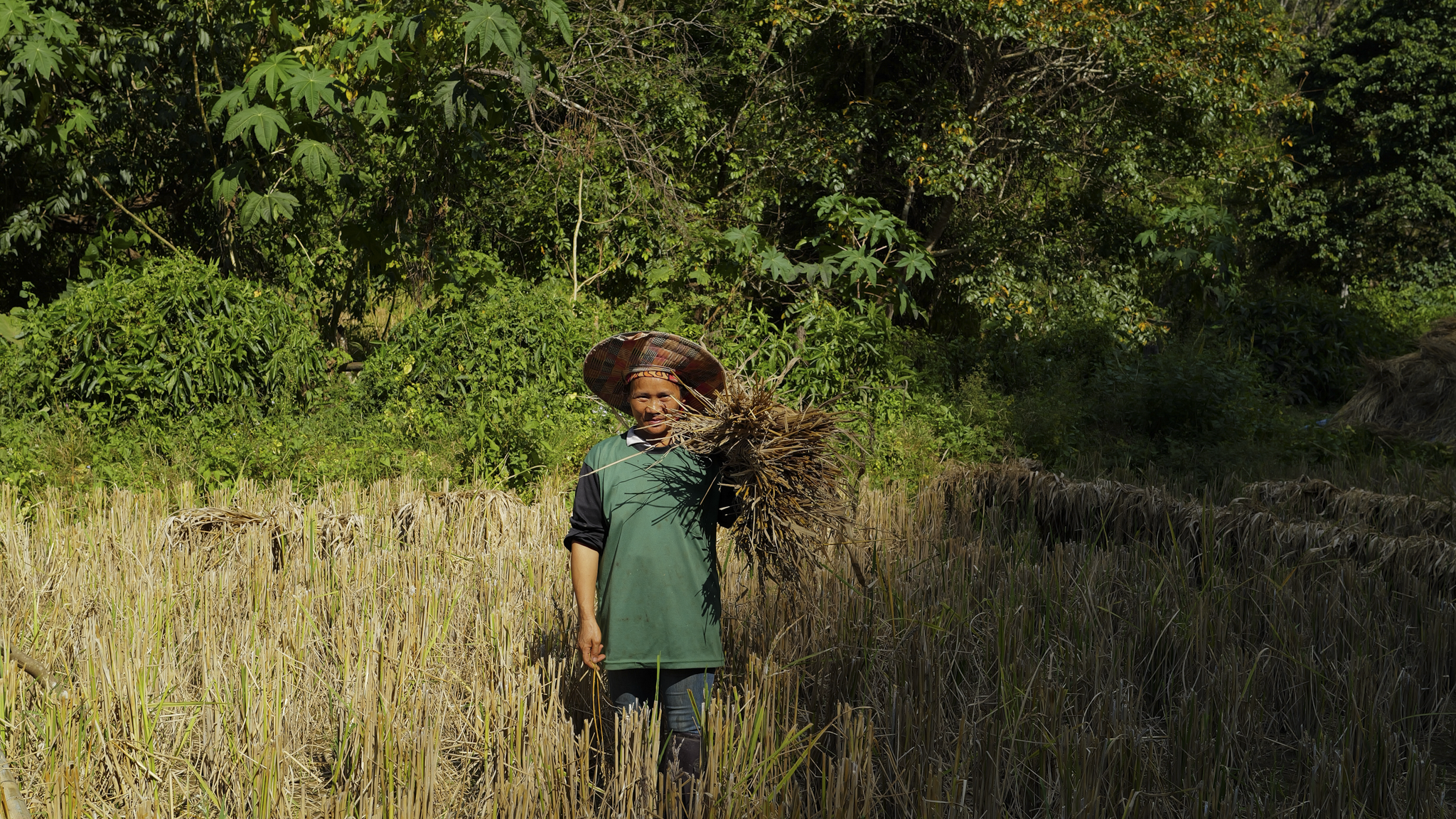
Photo credit: Baan Tepa
Chef Tam further stated that farmers are used to a certain degree of comfort and “stability” in conventional, chemical-heavy farming, transitioning to regenerative practices is simply too great a risk for them. Procuring sustainable goods is another hurdle she had to face. After nearly a decade of relationship-building, logistical progress, and gradual shifts in mindset, she says conditions have improved significantly—allowing her to source more directly from farmers who work with nature while having open conversations with producers.
As she explains, sometimes change begins simply by asking questions:
“I’ll ask one of the ladies selling vegetables, ‘Where are you getting these from? Are they organic? Are they using chemicals?’ I just want to spark a conversation—and maybe that trickles downstream, and they start asking the next person how it was grown.”
Transparency has always been a central issue within the food industry, regardless of geography. Chef Tam’s experience highlights the importance of asking the right questions: How do producers care for their land? What native varieties are they growing? When these questions begin circulating through the supply chain, they help build transparency, strengthen equity, and reconnect growers with the kitchens that rely on them.
At the same time, farmers develop new skills—learning how to communicate their practices and better understand the needs of the hospitality industry. Organizations like Zero Foodprint Asia play a role in reinforcing these relationships by helping mitigate the financial risks farmers face when transitioning to regenerative agriculture, while also amplifying the stories of the producers who form the foundation of our food system.
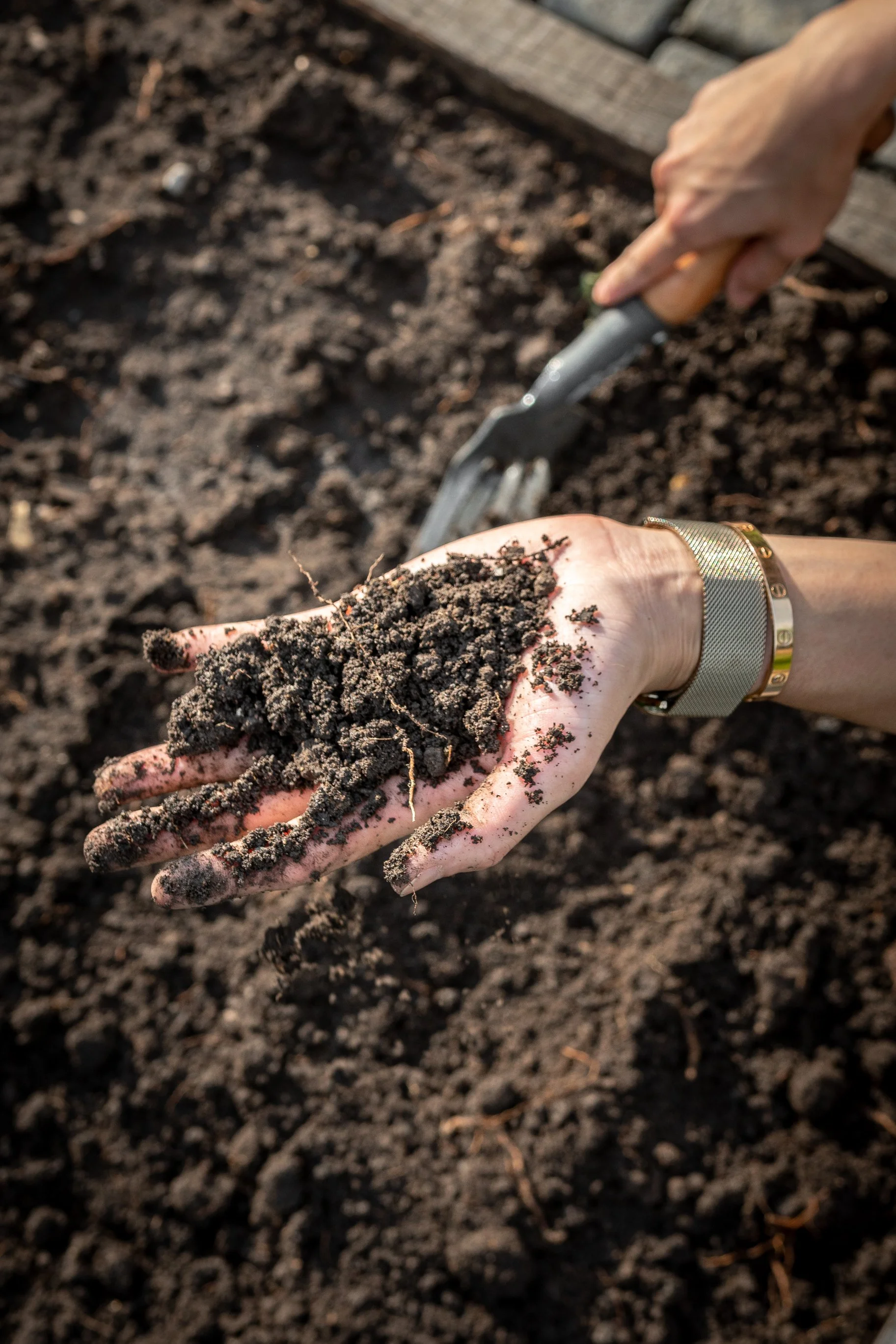
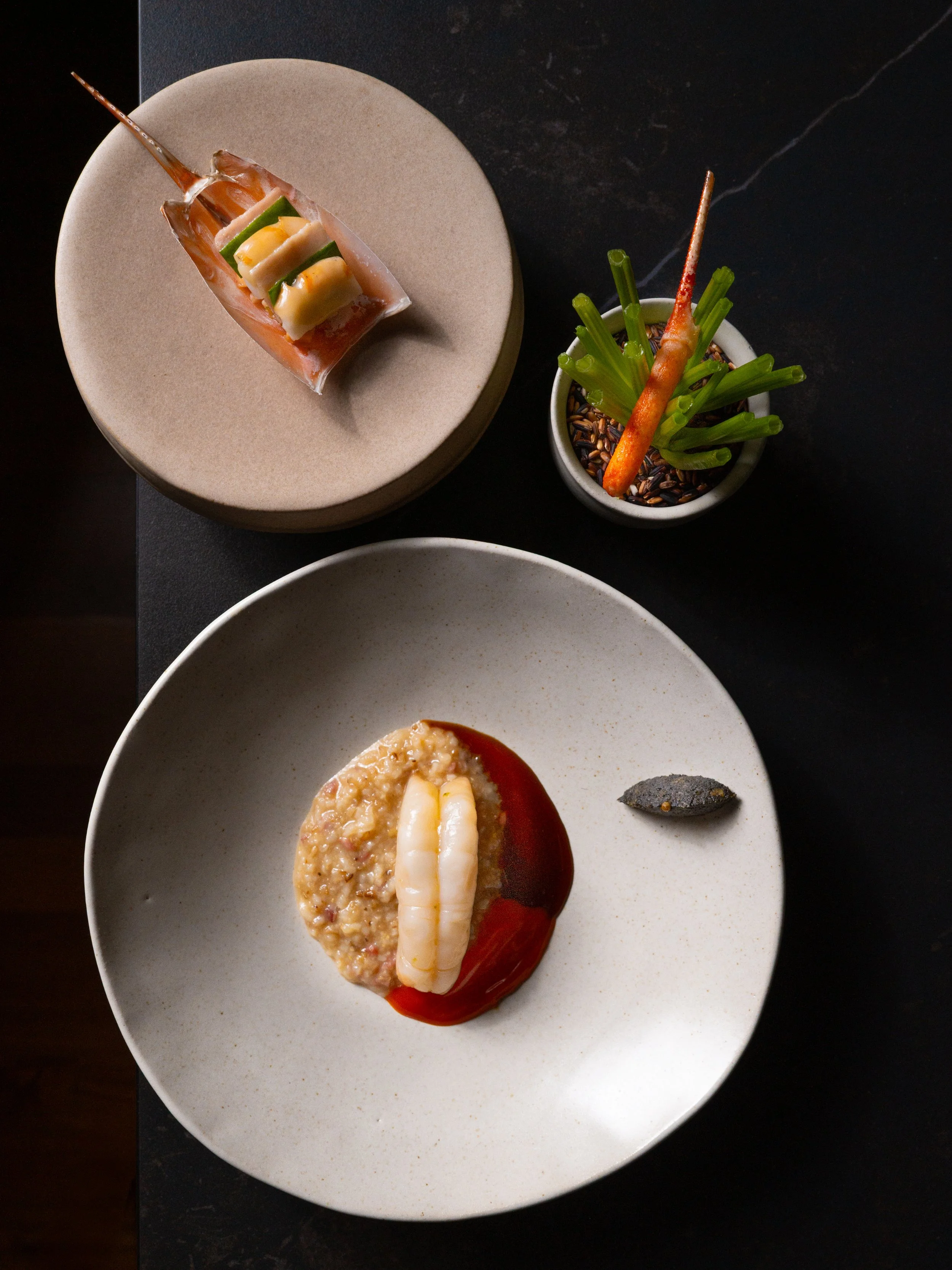
Photo credit: Baan Tepa
Embracing the Unpredictable
A truly regenerative food system demands flexibility, which is a stark contrast to the rigid consistency traditionally expected in fine dining. At Baan Tepa, the menu is designed to evolve with what farmers can harvest. This approach has become increasingly necessary as climate change affects growing seasons, particularly for heritage fruits and native varieties that are already rare.
She encourages other chefs to do the same, leaving menu slots open to nature's unpredictability and to invite diners to embrace seasonality and openness.
At the same time, Chef Tam understands there’s a duality in this flexibility. Some establishments are known for signature dishes or must meet specific guest expectations. In those cases, she believes building stronger networks across the supply chain—from producers to retailers to restaurants—can help create resilience during disruptions. Where there is healthy competition, there should also be a mutually supportive system that allows growth across sectors.
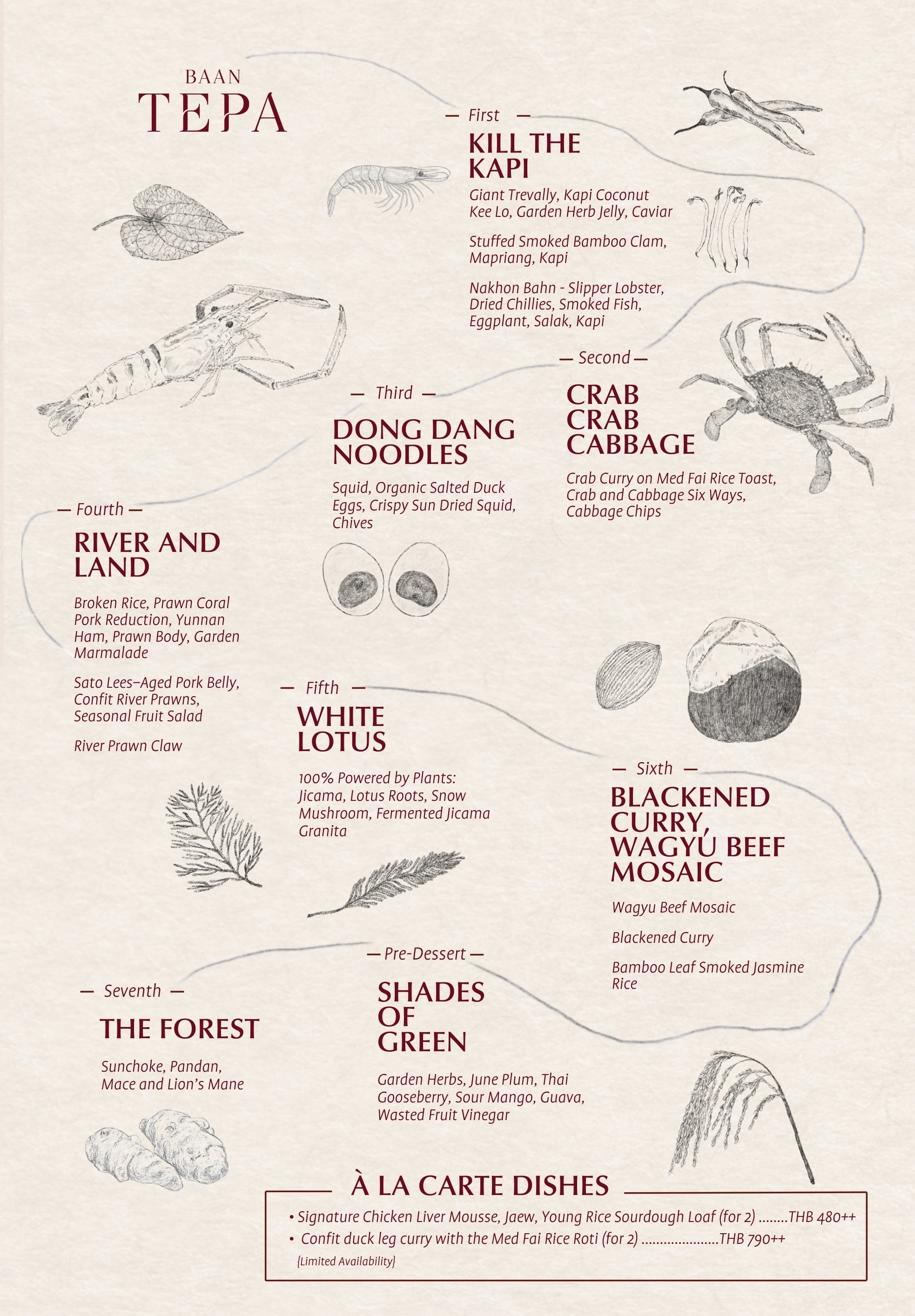
Photo credit: Baan Tepa
Regeneration of the Self
For Chef Tam, regeneration extends beyond agriculture. It also applies to leadership and workplace culture.
As a female chef leading a team, she intentionally rejects the toxic environments that have long defined parts of the hospitality industry. Instead, she cultivates a kitchen culture rooted in empathy, equality, and curiosity.
Her goal is that staff leave Baan Tepa carrying new perspectives about food systems and leadership into their future careers—planting seeds of change that will continue spreading throughout the industry.
By leading with firmness when needed but grounding the workplace in respect and kindness, she hopes to demonstrate that strong leadership does not require sacrificing humanity.
“I think it's what they take away from having worked with us, 1-2-3-4, years, and then moving on into what they do next, and having this little seed being planted. I think in their way of looking and thinking about food. And I think for me, what I'm able to do is just kind of be the best example that I can be for the women in my kitchen to see that, okay, you can lead in this way, or you can be stern at times, but you can also create a very positive working environment that is based on equality, based on kindness and empathy.”
Archiving Ancient Wisdom and Knowledge Dissemination
Another prominent theme of the discussion was the urgency of preserving Thailand’s agricultural and culinary heritage. As younger generations increasingly migrate to urban areas in search of work—a challenge also frequently observed across many of Zero Foodprint Asia’s project sites—generational knowledge tied to farming, seeds, and traditional foodways is at risk of disappearing. Chef Tam highlighted the extraordinary food practices of communities such as the Akha hill tribes, whose techniques for smoking and fermenting ingredients carry generations of wisdom.
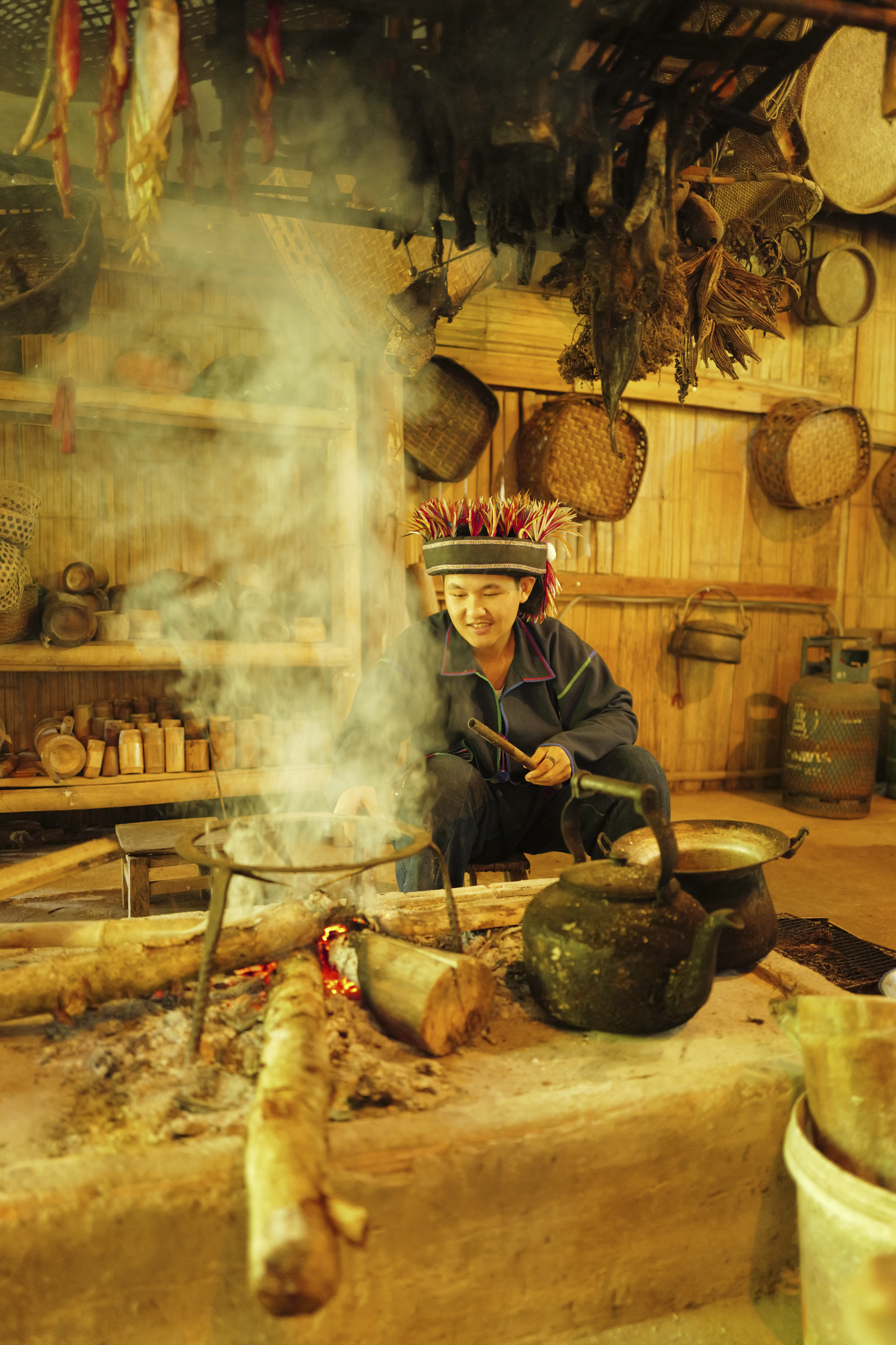
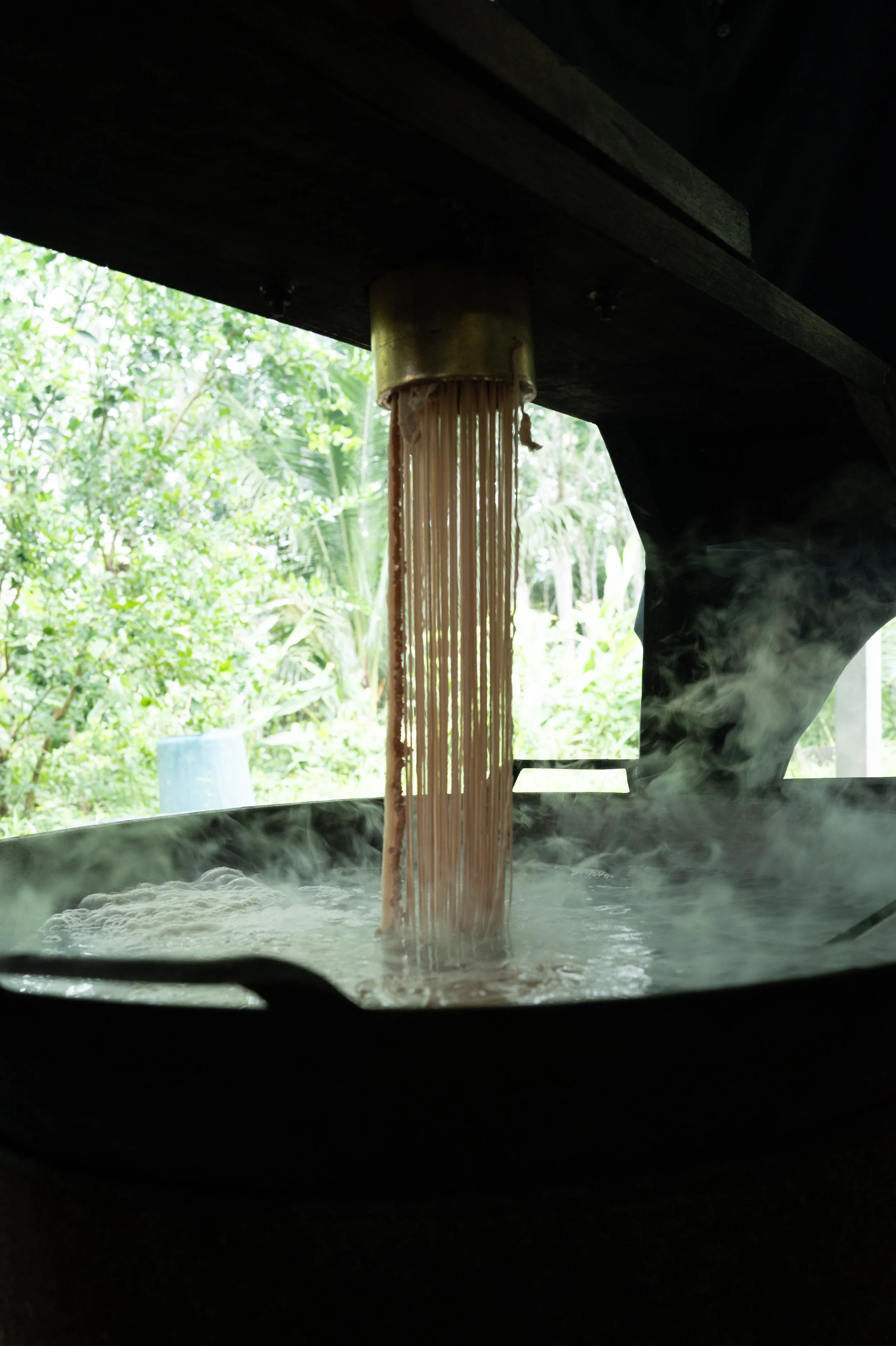
Photo credit: Baan Tepa
To combat this, she uses her restaurant as a platform for food education. Through team farm visits, storytelling on social media, menu narratives, and the restaurant’s annual Producers’ Market, Chef Tam connects diners with the people and traditions behind their food.
Food education and knowledge-sharing do not have to be confined to the restaurant alone. While Chef Tam appreciates the growing rigor with which some restaurant award bodies assess sustainability practices, she believes these platforms could go further—being more discerning in how awards are granted and using their influence to spotlight the meaningful sustainability work happening across the industry.
At its core, collective action is about using one’s platform to engage, advocate, and raise awareness for the greater good. By amplifying these efforts, institutions and industry leaders can help drive broader understanding and catalyze long-term, systemic change. Ultimately, what Chef Tam values aligns closely with the mission of Zero Foodprint Asia: rallying the wider community to recognize, preserve, and reimagine ancient agricultural wisdom for the future.
Final Thoughts
Chef Tam’s work demonstrates that regeneration must extend across the entire supply chain—from soil to kitchen to dining room. The Baan Tepa model shows how restaurants can go beyond sourcing responsibly to actively strengthening relationships with farmers, protecting cultural heritage, and building systems that nourish both people and land.
At its heart, regeneration is about responsibility: to producers, ecosystems, communities, and future generations. And as Chef Tam and Peggy discussed, meaningful change happens when the entire food community works together to support that vision.
Thank you chef Tam for joining us. Wonderful to learn about the work of Baan Tepa, and the vision for Thailand’s regenerative food system.
Reference Links