Regenerative Coffee in Vietnam
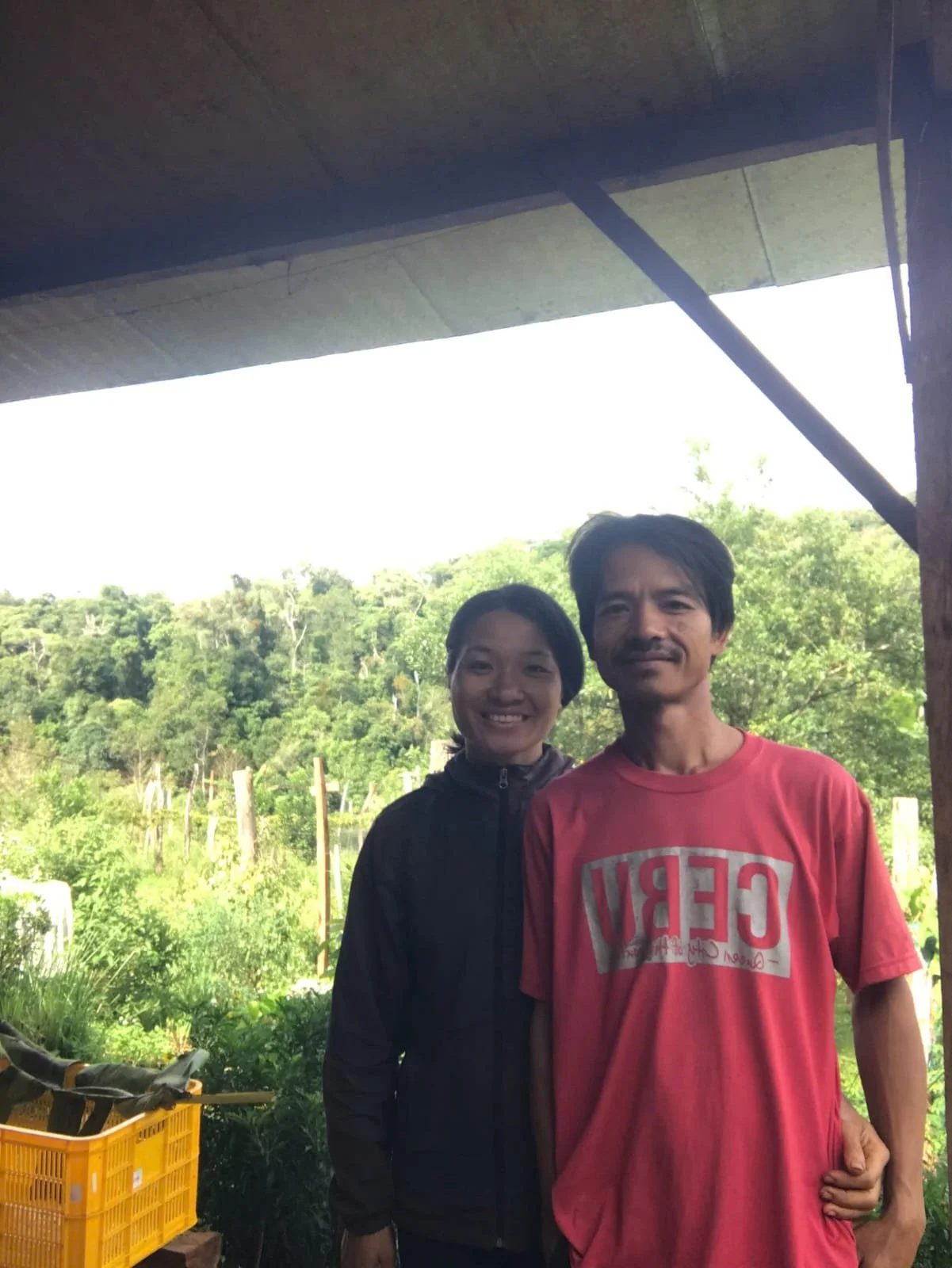
Continuing our mission to advance regenerative agriculture across Southeast Asia, we are proud to announce our regenerative coffee initiative in Vietnam's Central Highlands. In partnership with reNature and a locally rooted expert team led by Do Le Kim Hue (Kim), alongside Nguyen Van Nhan (David) and Nguyen Trong Duy, we are implementing the Gia Lai Regenerative Coffee Project, building on a context analysis and farmer survey completed in Ia Grai, west of Gia Lai Province.
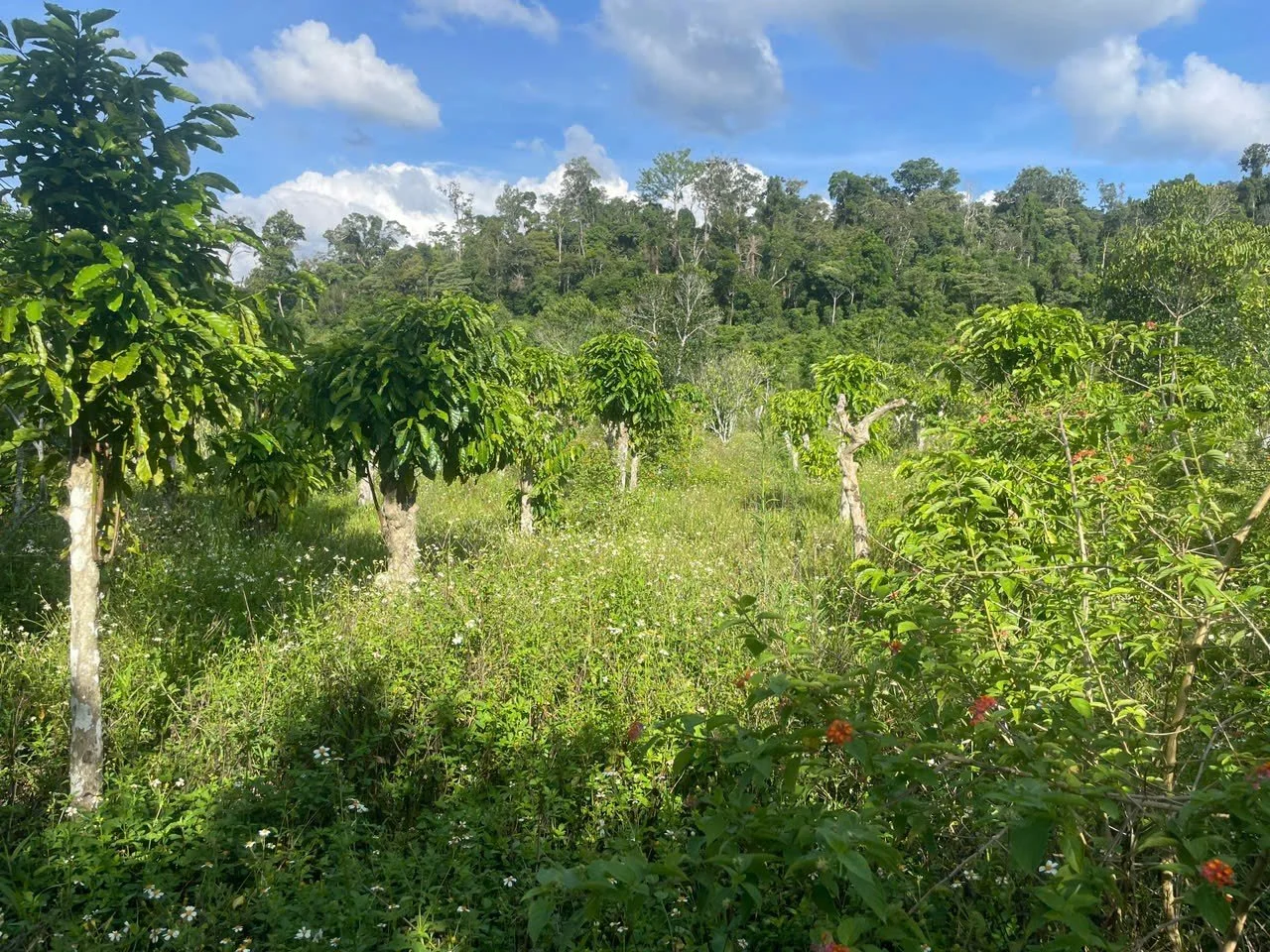
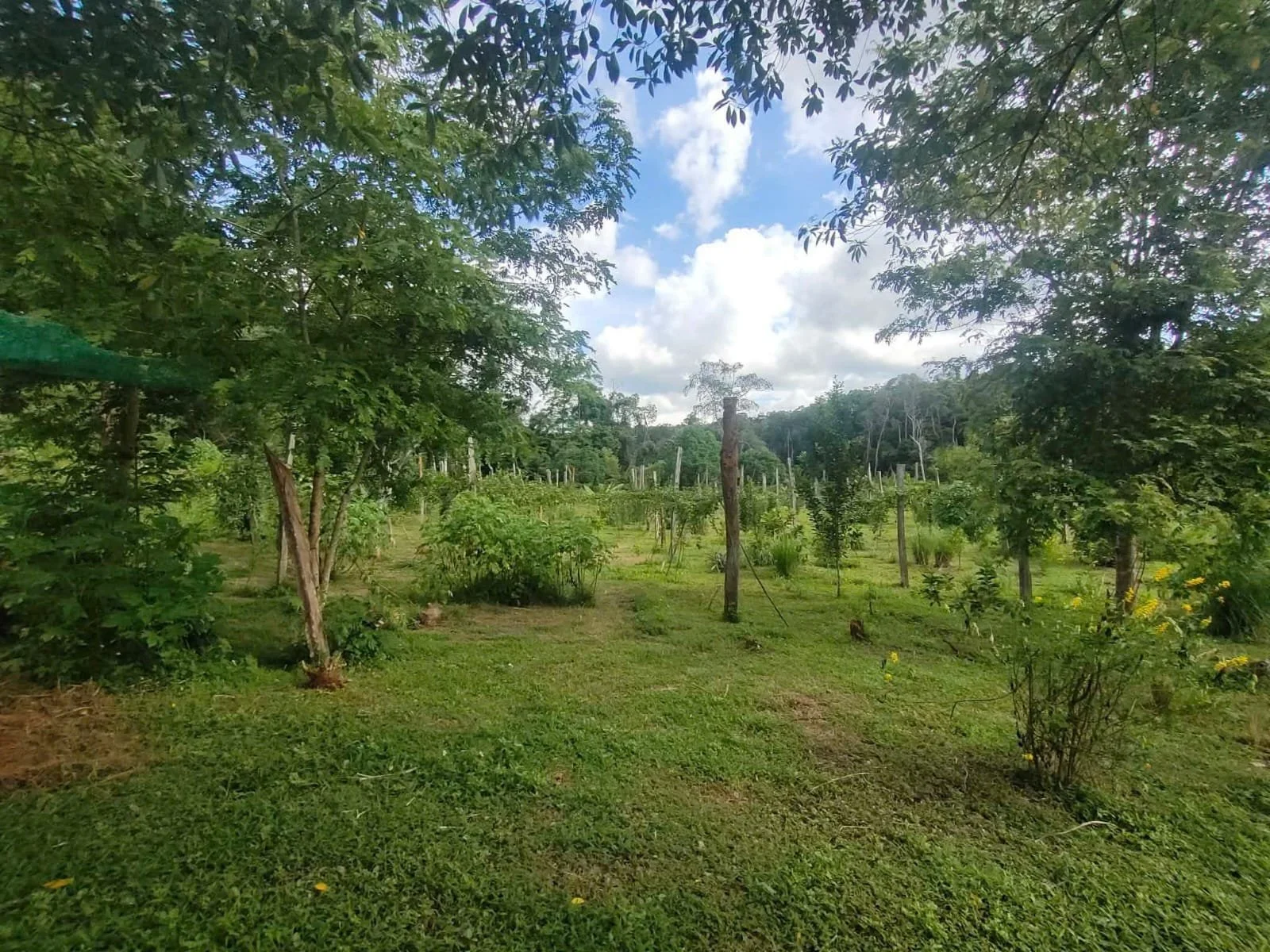
From 2026 to 2027, the project will establish four model farms across Son Lang Commune and KBang Town in Gia Lai Province, a high-altitude region known for its Robusta and Arabica coffee cultivation and its strong base of smallholder farmers.
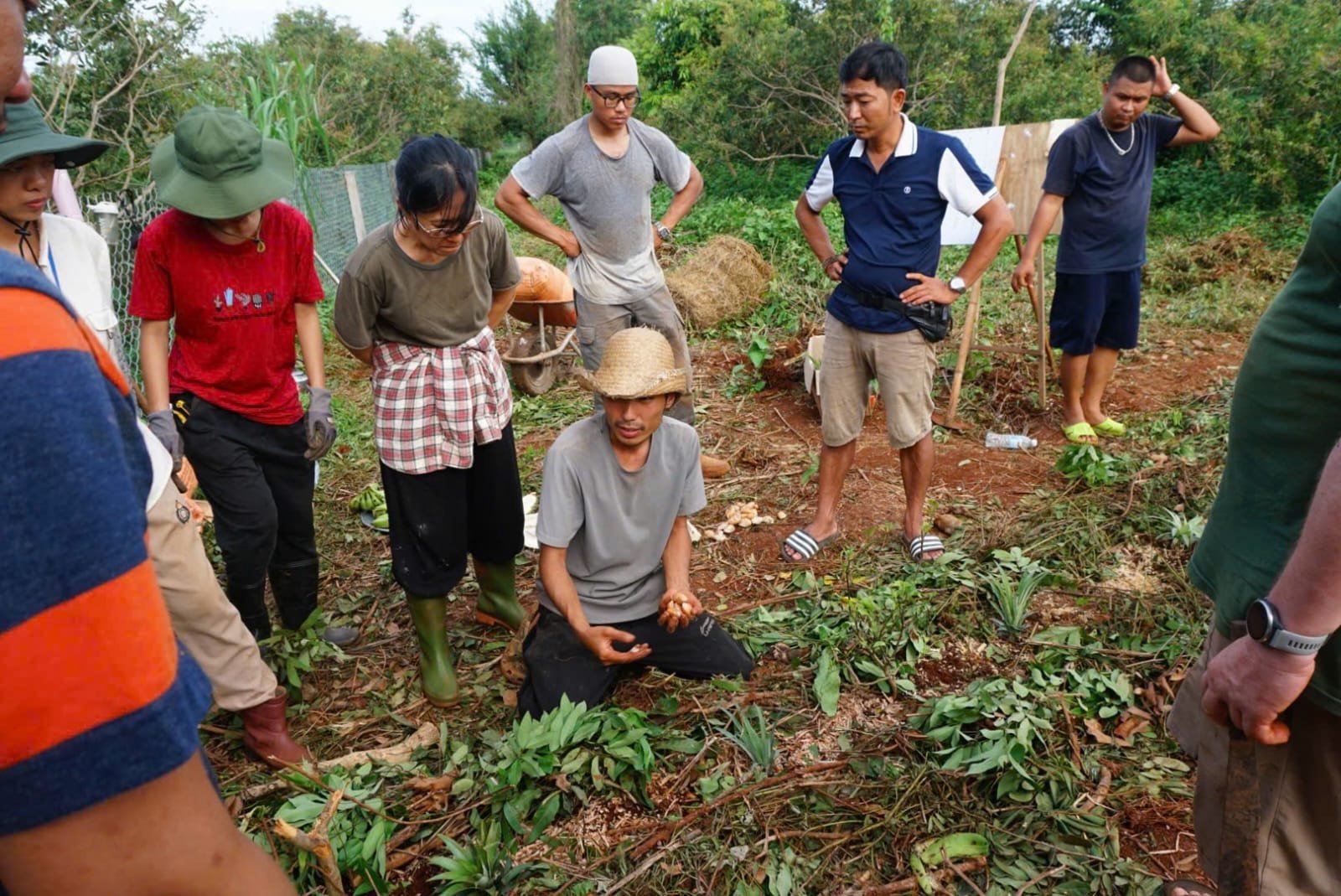
The four farms each bring something distinct to the project. Viet Anh – Huong Farm, sitting on a hectare of red basalt soil at roughly 900 metres, will focus on re-establishing Robusta and Arabica together. The 2-hectare Nghi Farm will transition from a previously Acacia Mangium monoculture farm to regenerative Arabica coffee production, while the neighbouring Hung Family Farm will draw on its long history of Robusta cultivation to re-establish the crop using regenerative methods. Anchoring it all is the two-hectare Alang Hai Family Farm in KBang Town, which will house the project's central nursery and serve as the main site for farmer training and demonstrations.
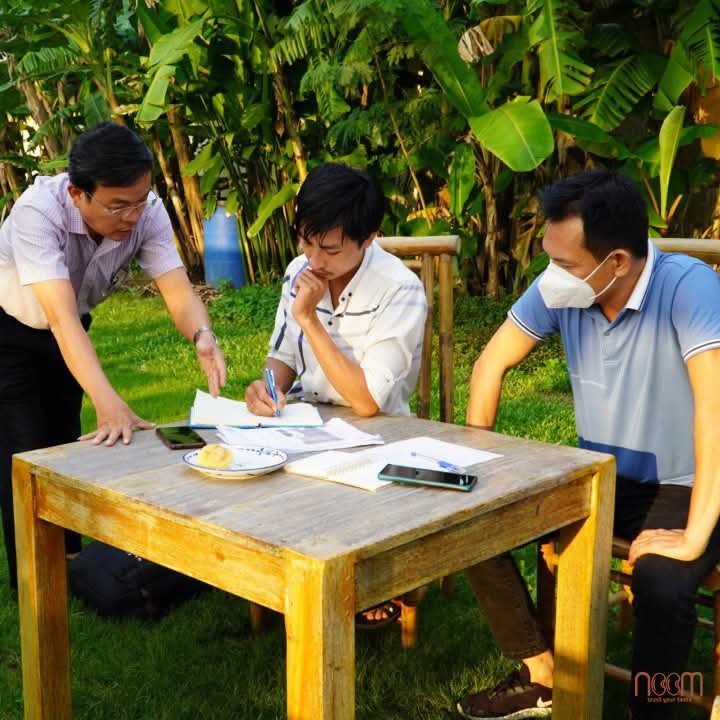
Beyond the four model farms, the project is designed to train up to 150 farmers, extending the reach of regenerative practice well past the original demonstration sites.
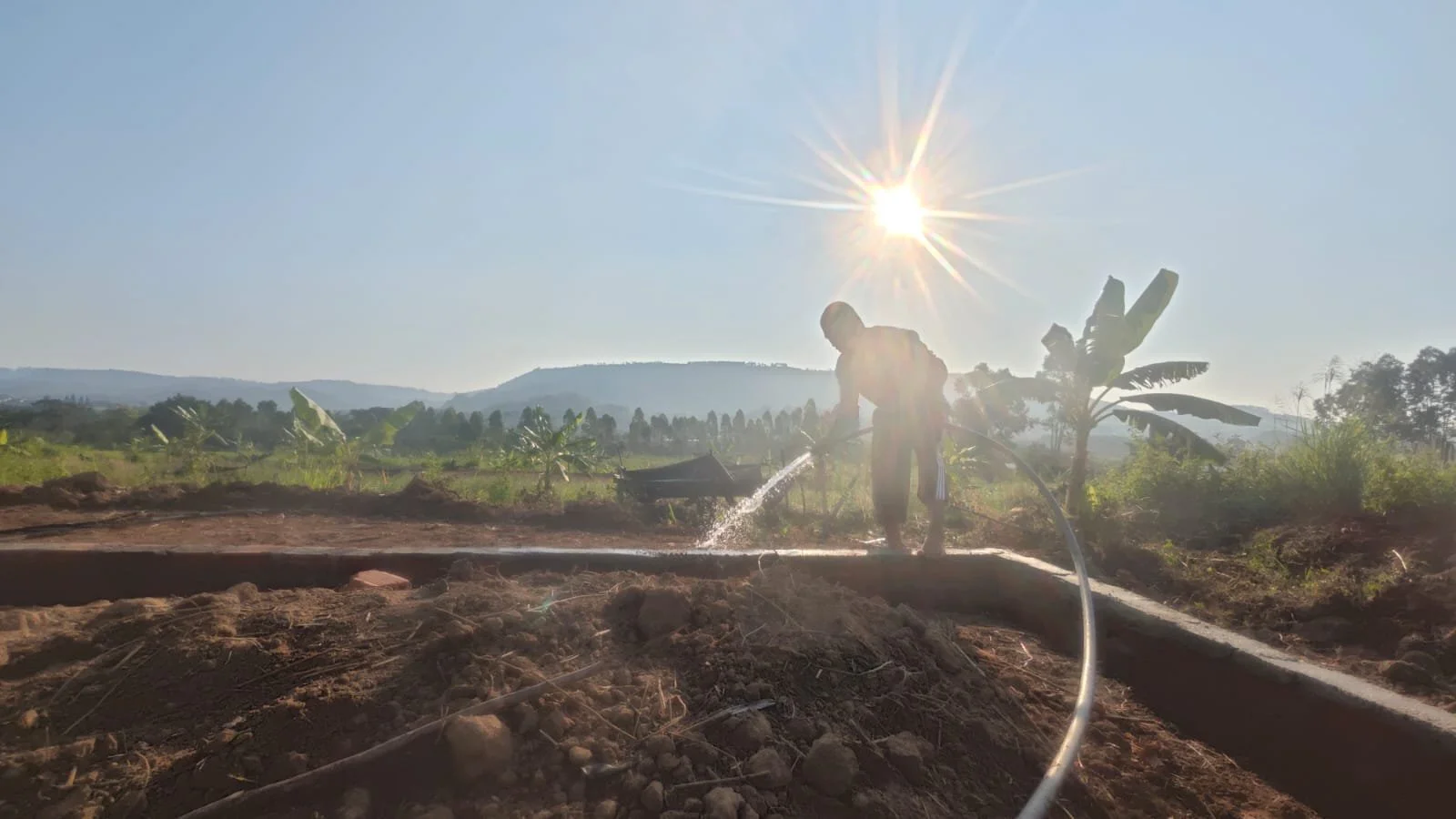
Vietnam's coffee-growing communities face real and layered challenges: technical guidance often disappears once a system is established, putting early-stage regenerative farms at risk of failure, and pathways for smallholders beyond the initial model farms to adopt these practices still need to be built out. This project addresses these gaps directly, pairing hands-on farm implementation with a nursery for broader seedling access and closer agroecological monitoring than Phase 1 allowed.
We're grateful to move into this next chapter with a team so deeply connected to the land and the farmers they serve, and excited for what it could unlock for regenerative coffee across Vietnam's Central Highlands.