Designing with Time: Regenerative Farming in Sarawak
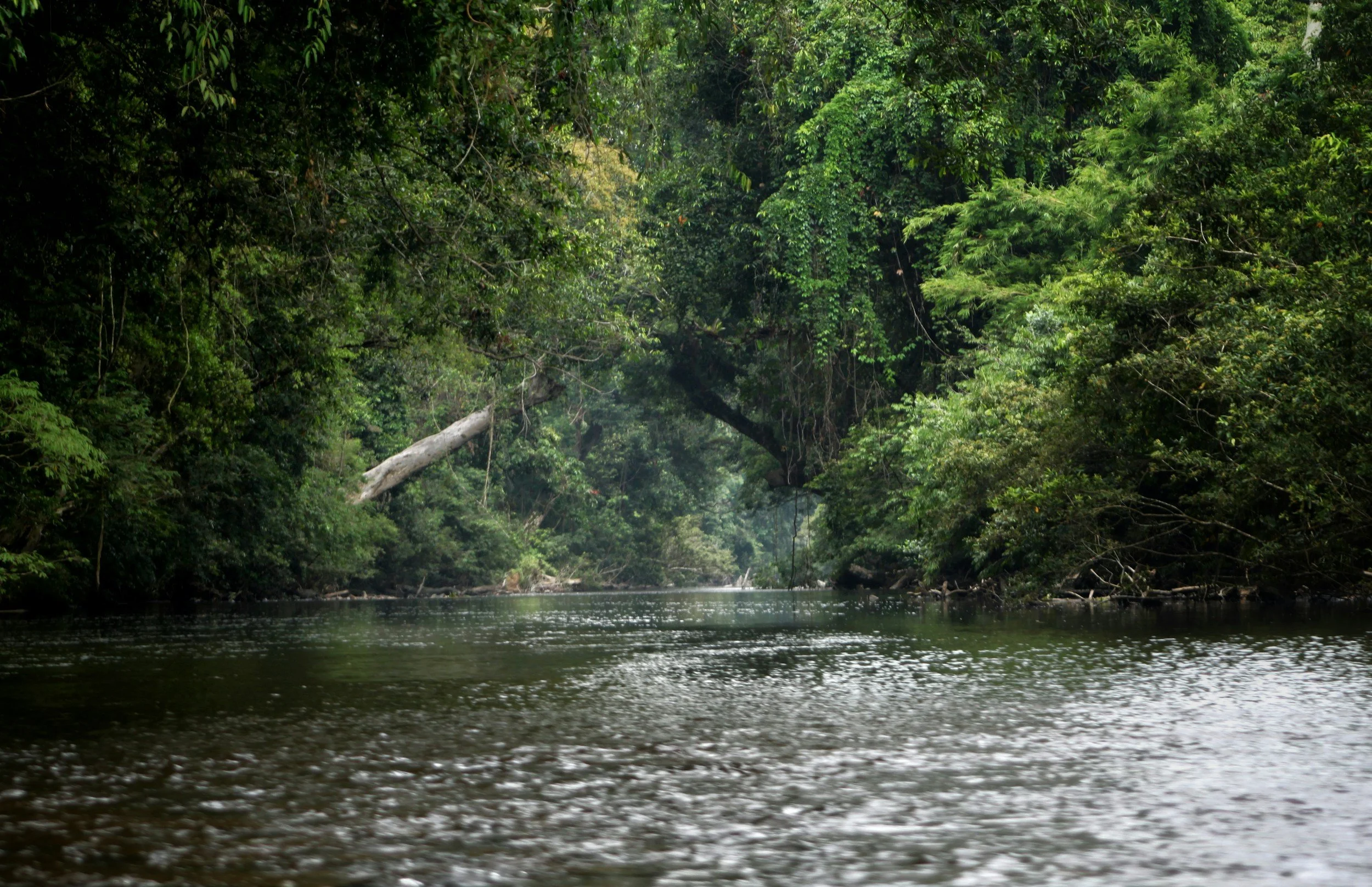
Borneo, the world’s third-largest island, is renowned for its extraordinary biodiversity and rich cultural heritage. Sarawak, on the island’s northwest coast, is home to diverse indigenous communities and landscapes that have been shaped by generations of careful stewardship. It is against this backdrop that our fieldwork in Sarawak began.
From Context to Evidence: Establishing Agroecological Baselines
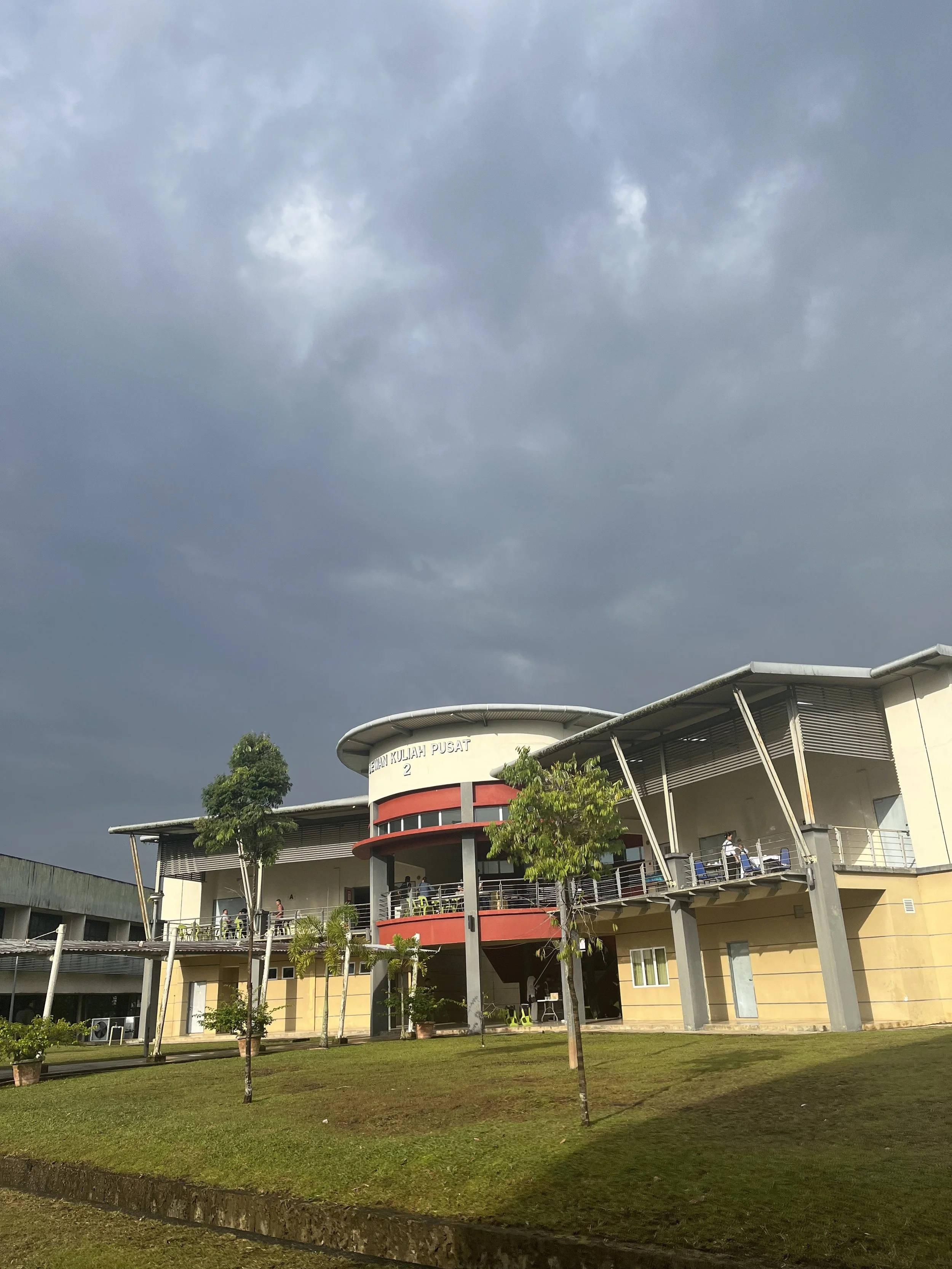
We travelled to Bintulu with our project team, Emily from ReNature and Dr. Patricia King, professor and soil scientist leading this initiative, alongside representatives from the Sarawak Department of Agriculture, agroforestry students from Universiti Putra Malaysia Sarawak (UPMS), and local farmer partners. Together, we commenced the initial phase of our transition work in Malaysia. Our objective is clear: to co-design agroforestry systems that restore soil health, reduce dependence on costly external inputs, and strengthen long-term livelihoods, while remaining firmly grounded in local ecological and cultural contexts.
The programme opened with an overview of the framework guiding our collaboration with reNature. We began with context analysis, using the FAO TAPE (Tool for Agroecology Performance Evaluation) survey to establish ecological and socio-economic baselines. UPMS students worked alongside Sarawak farmers to collect field data—an essential step that ensures future design decisions are grounded in both science and lived experience, rather than assumptions imported from elsewhere.
Designing for Succession and Resilience
From assessment, the work moves into implementation design. Emily introduced diversified intercropping strategies, including adaptations of the “three sisters” model, always contextual to each farm site. What stood out was the emphasis on succession—how much foresight regenerative farming demands. Farmers are asked to think three, five, even ten years ahead, long before many crops reach maturity. Good regenerative design layers crops across different canopies so that farms can continue to yield food, generate income, and build resilience as systems evolve over time.
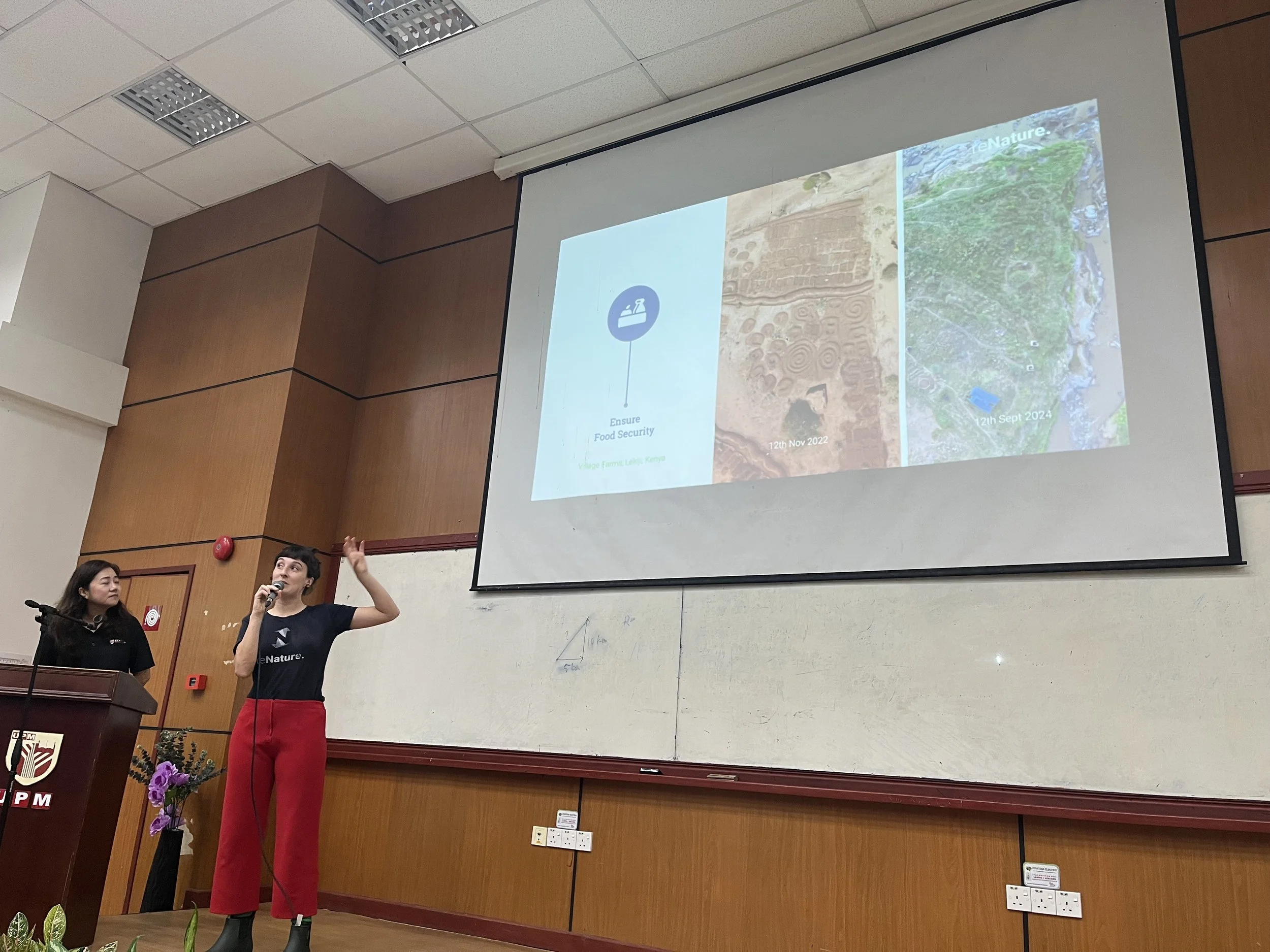
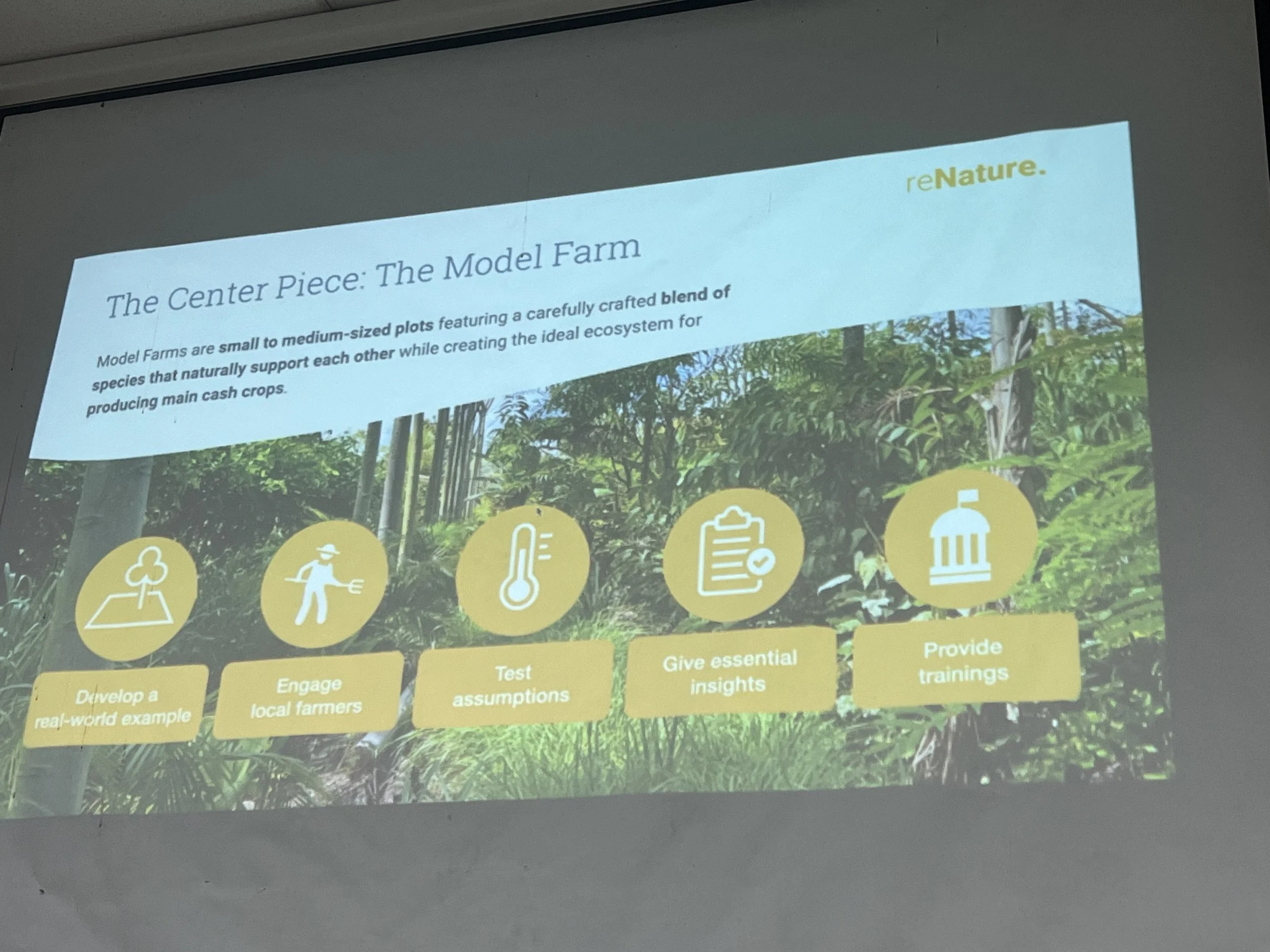
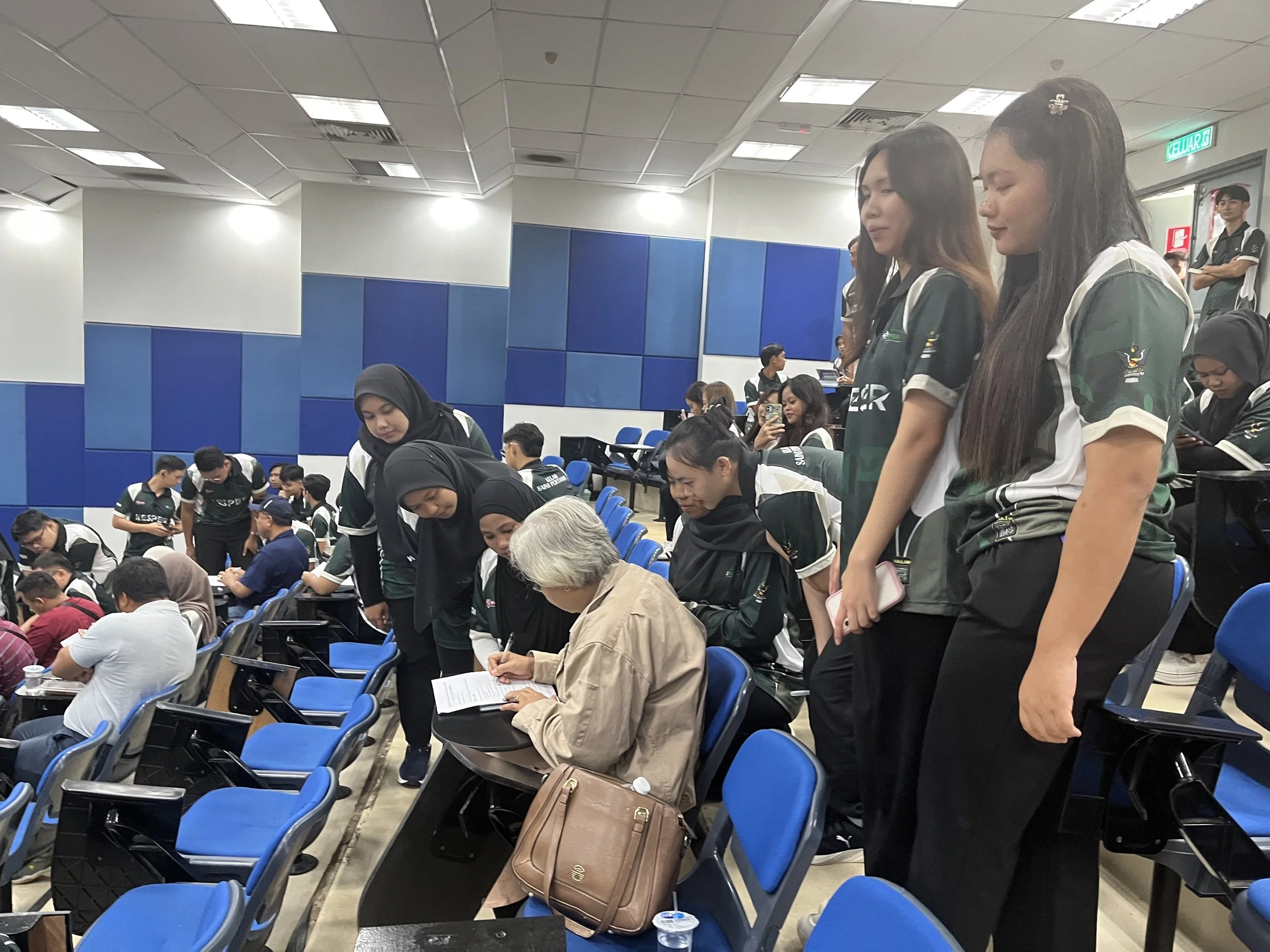
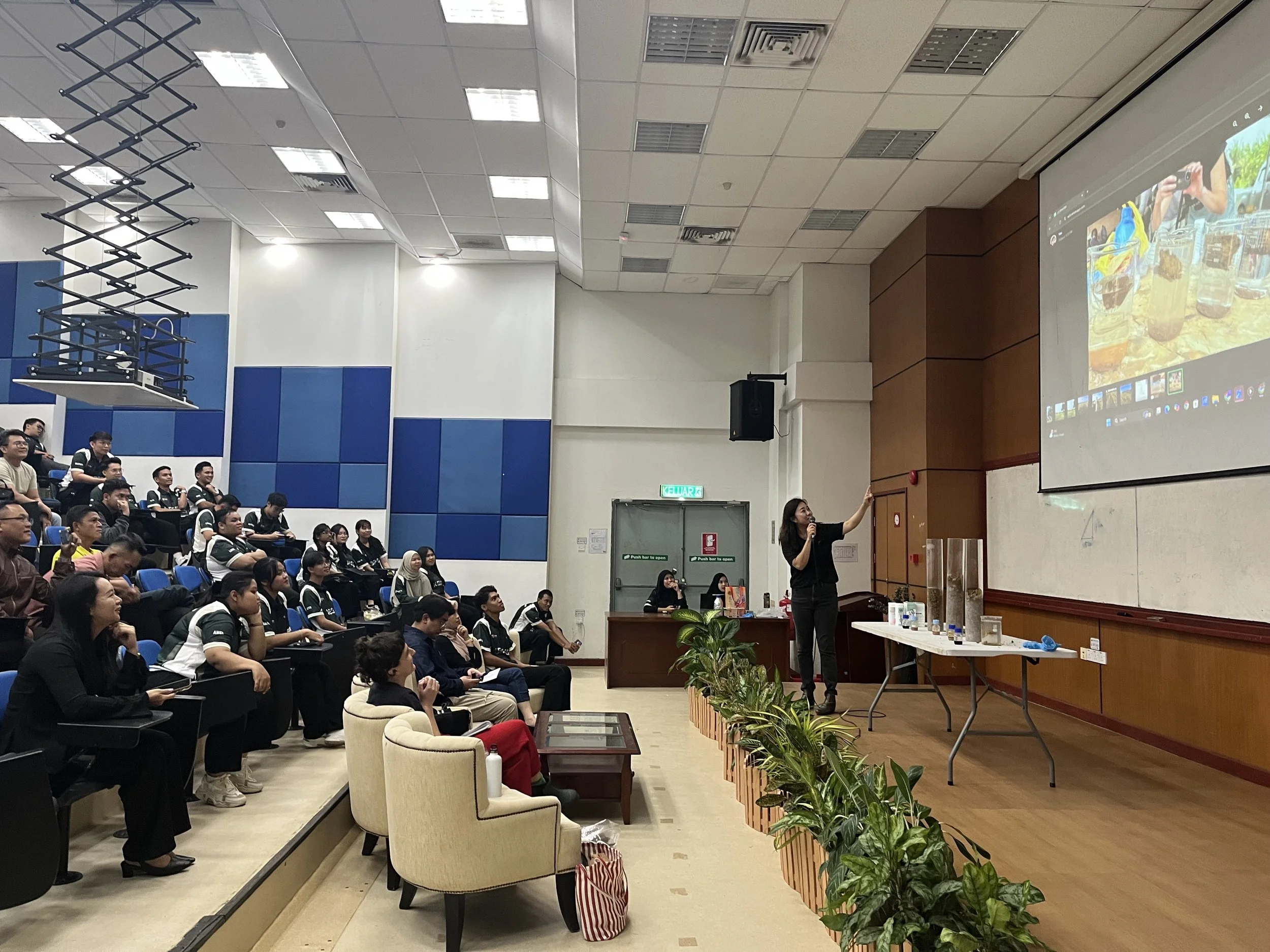
Model farms form the backbone of this approach. These sites act as living classrooms, supporting capacity building, peer-to-peer learning, and eventual scale-up. Monitoring and evaluation remain integral throughout, with FAO baselines complemented by soil organic matter testing, laboratory analysis, yield tracking, and socio-economic indicators. These metrics help us understand not only ecological change, but whether livelihoods are genuinely improving.
Dr King spoke candidly about the urgency of this work in Malaysia. Since 2020, farm operating costs have risen by over 20%, driven largely by escalating fertiliser and pesticide prices. Against this backdrop, regenerative agriculture is no longer a “nice to have”—it is a practical response to economic pressure, climate volatility, and long-term food security.
Diversity in Practice: Lessons from the Field
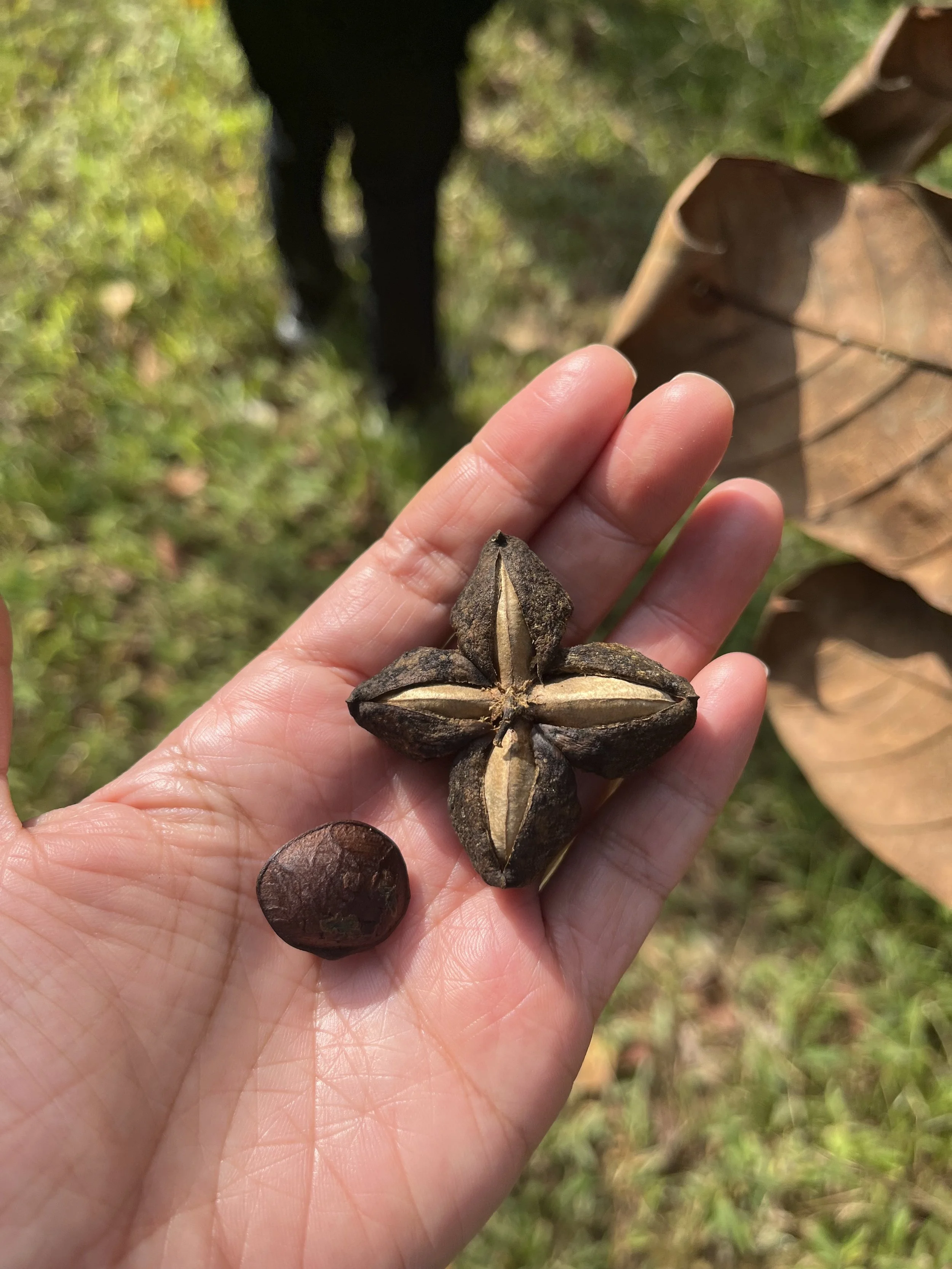
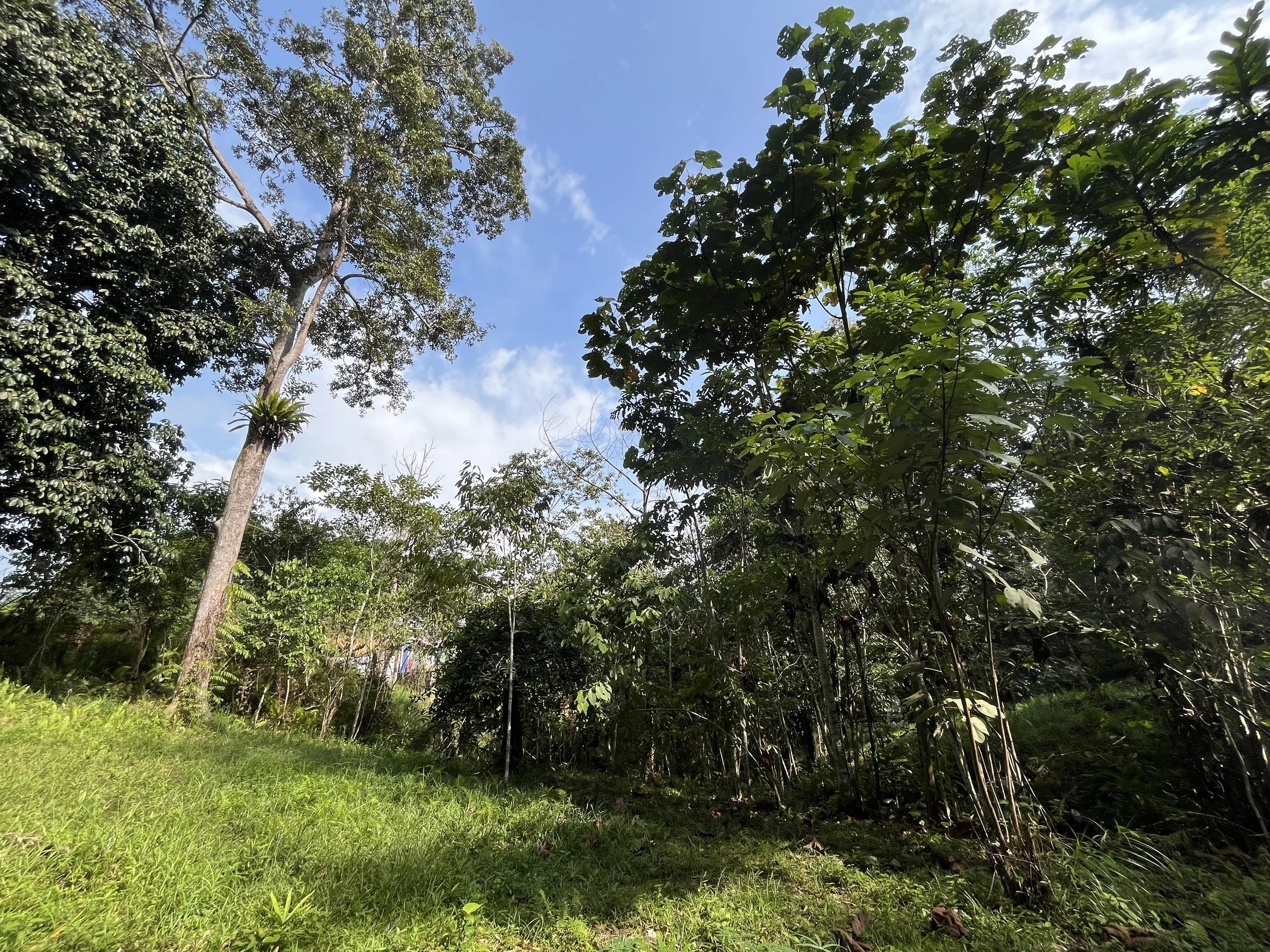
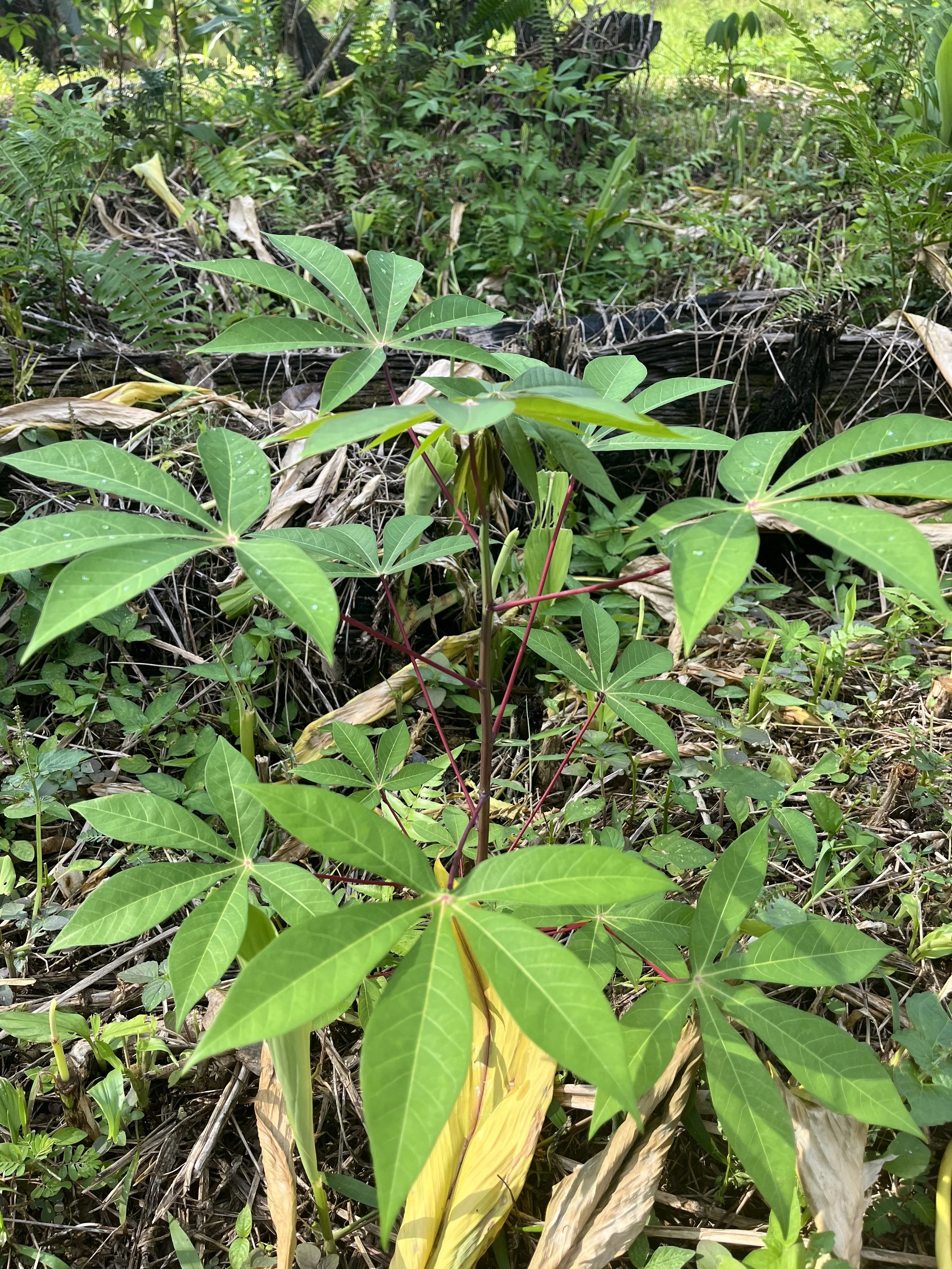
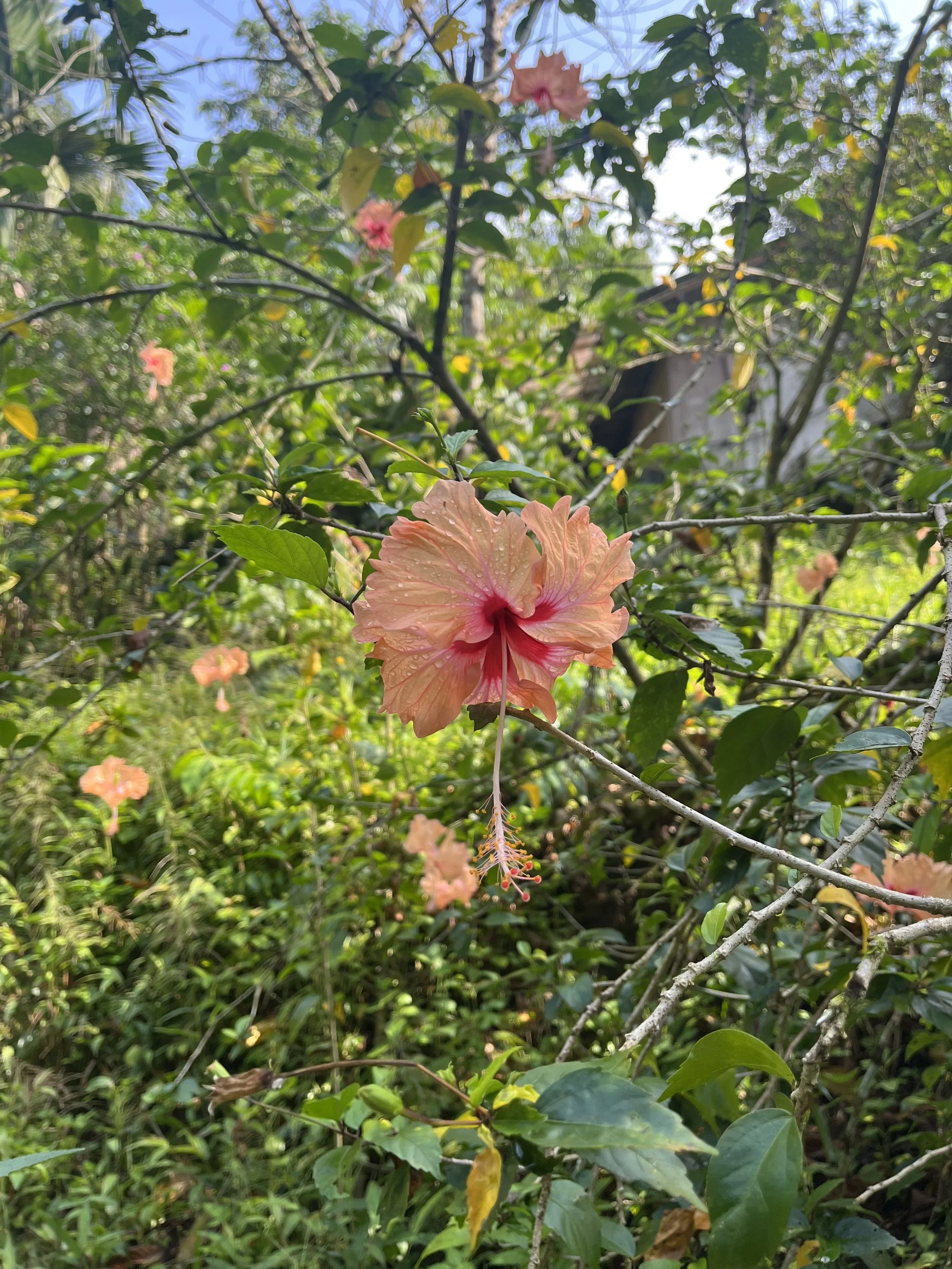
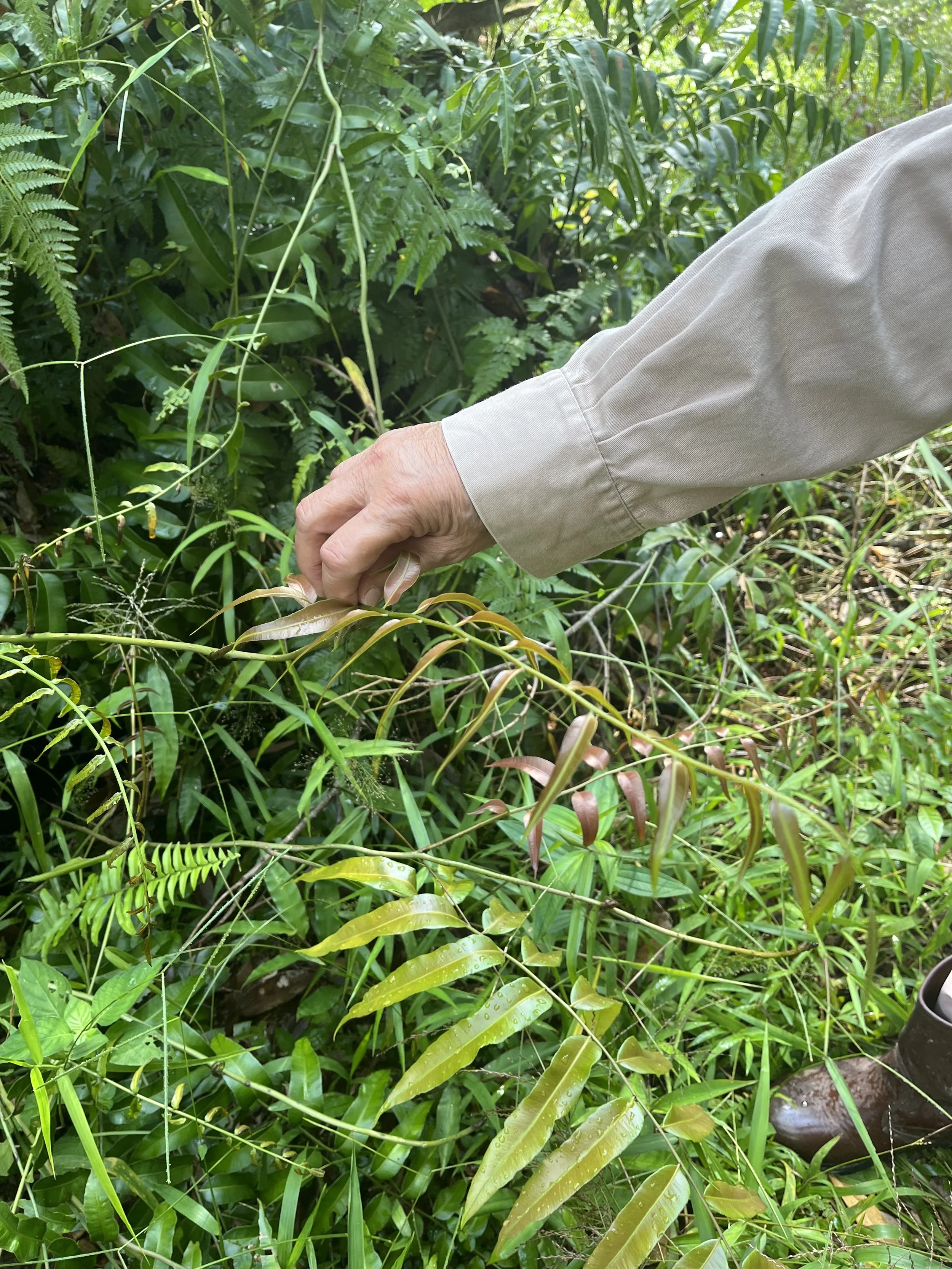
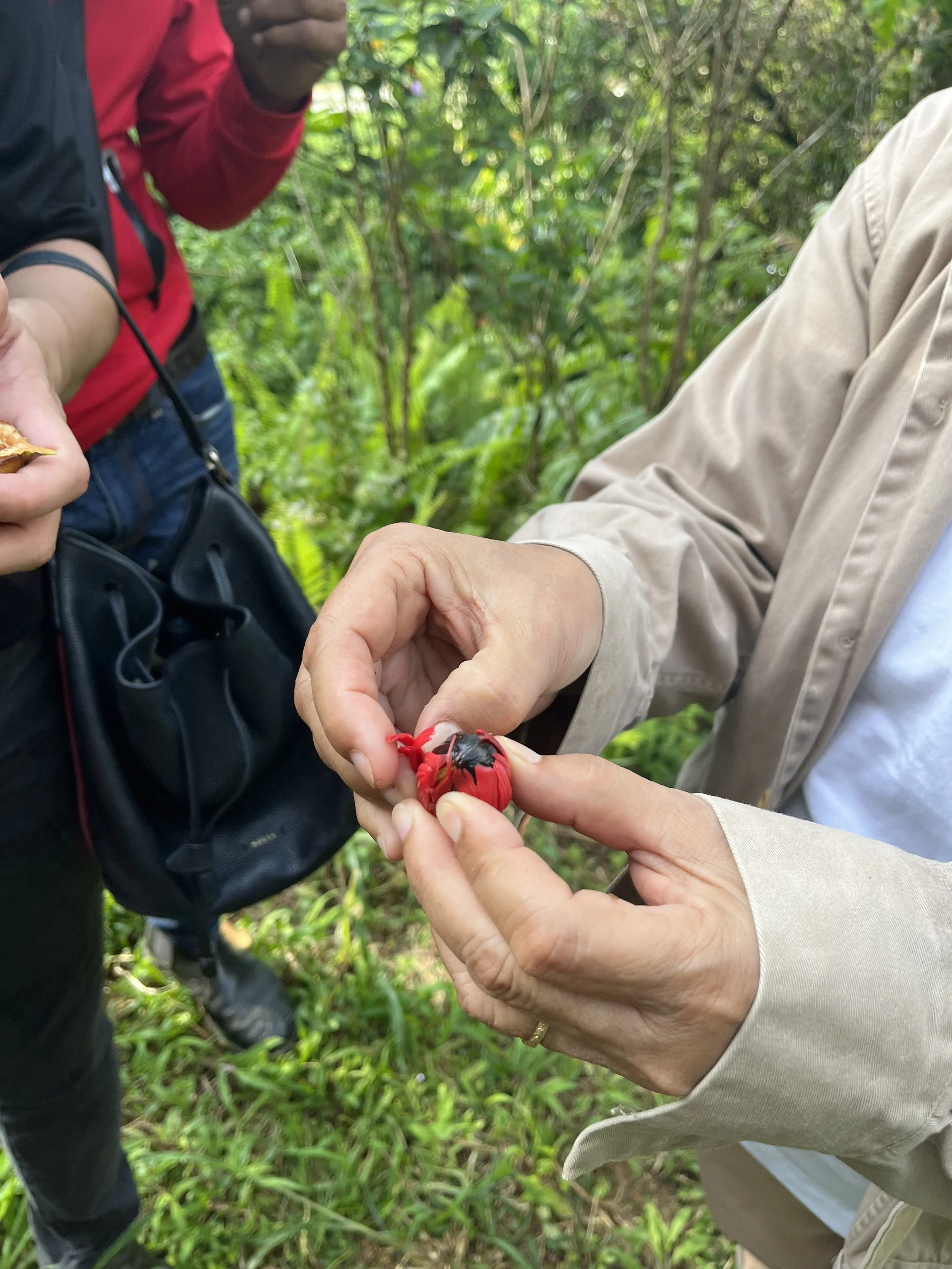
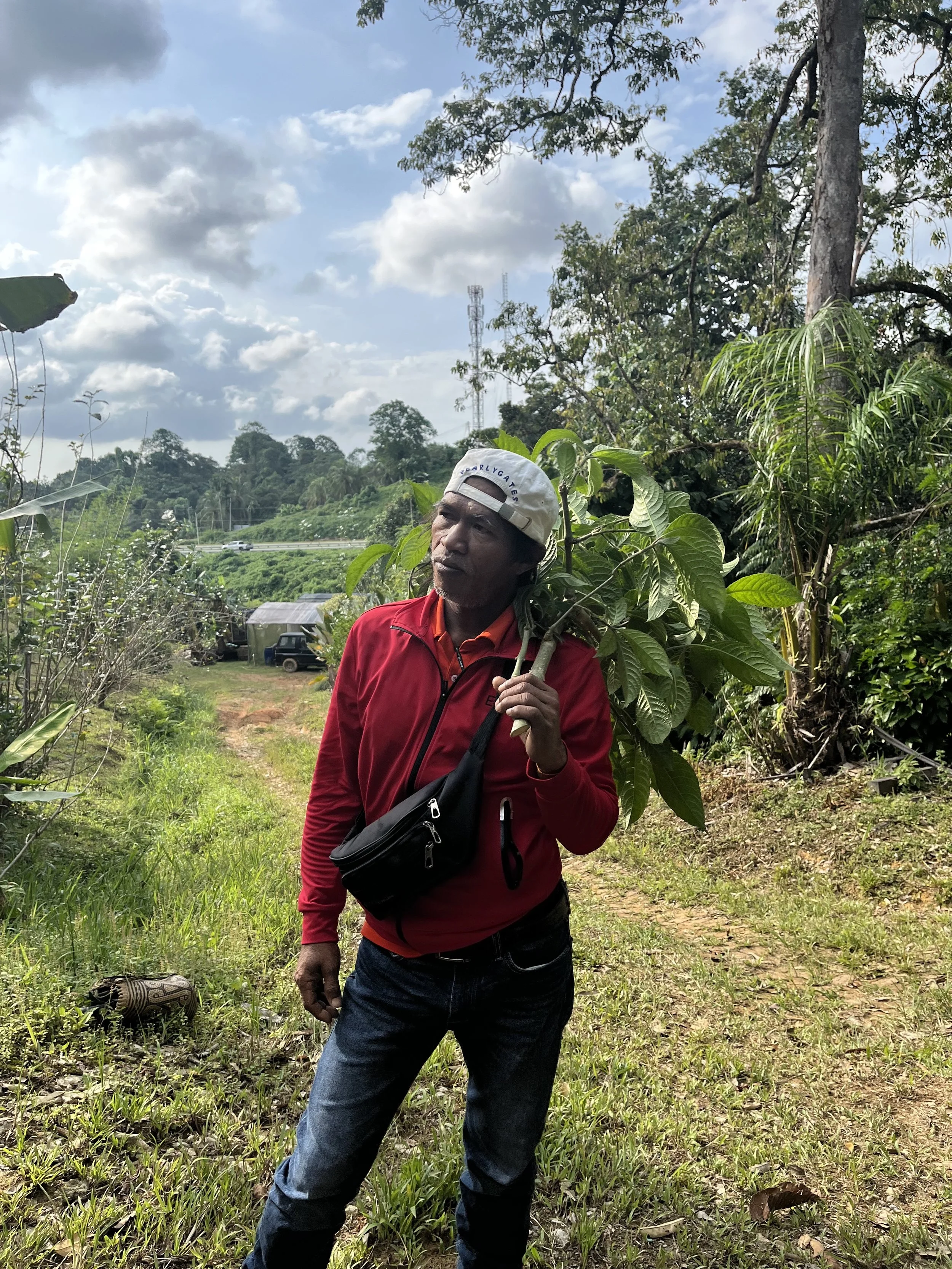
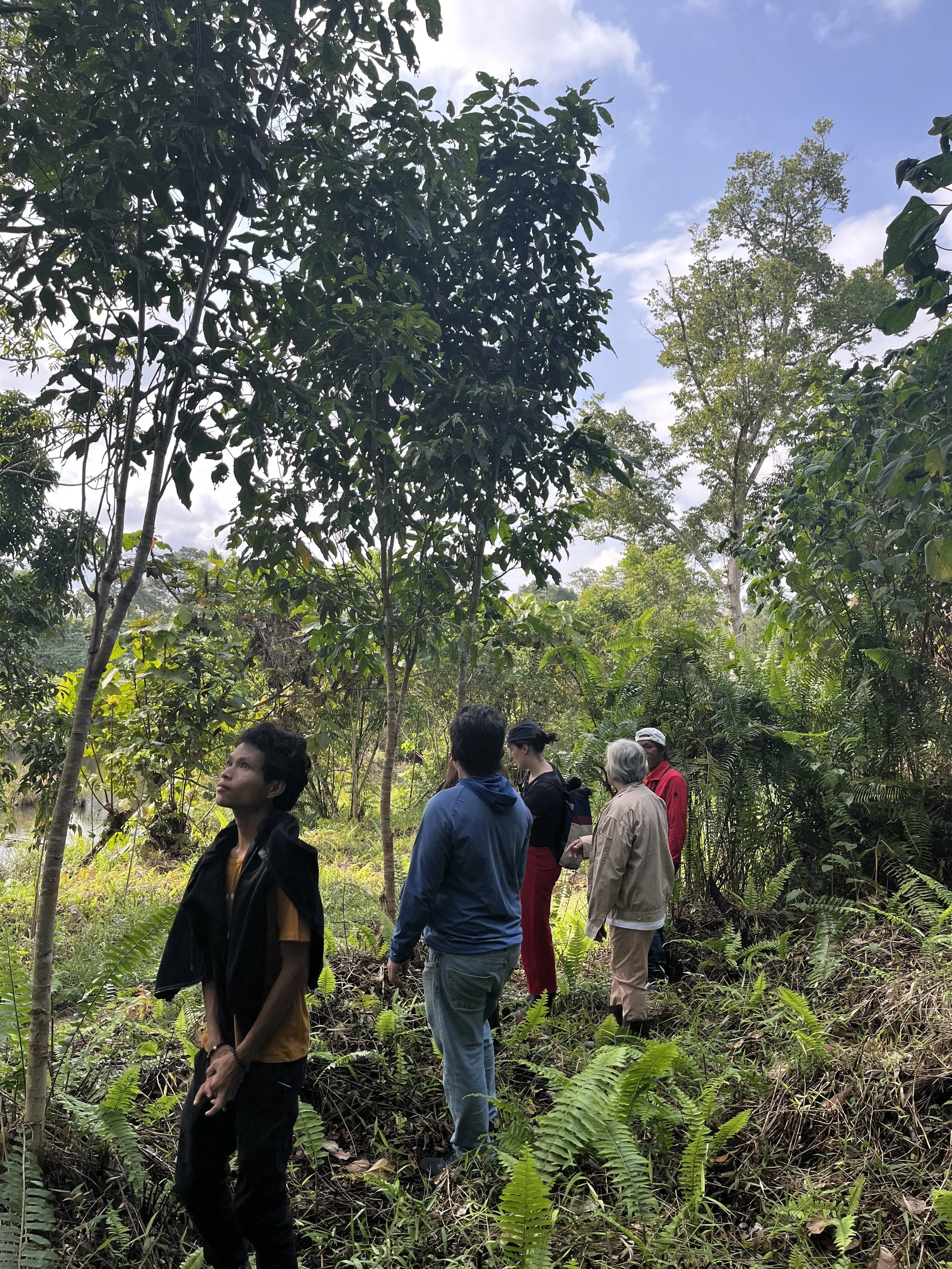
A field visit to our first model farm in Sarawak brought theory into sharp focus. At Rebecca’s farm—once highly productive and still home to more than forty perennial and indigenous crops—we saw what diversity looks like in practice. Nutmeg, sacha inchi, dabai, jackfruit, durian, wild ferns, mushrooms, guava—much of the groundwork is already there. Conversations centred on farmer priorities: what they want to grow, the need to balance cash crops, perennials, and subsistence crops, and how to site each crop according to soil type, shade, sunlight, water access, and natural pest management.
Agriculture as Culture: Learning from Indigenous Traditions
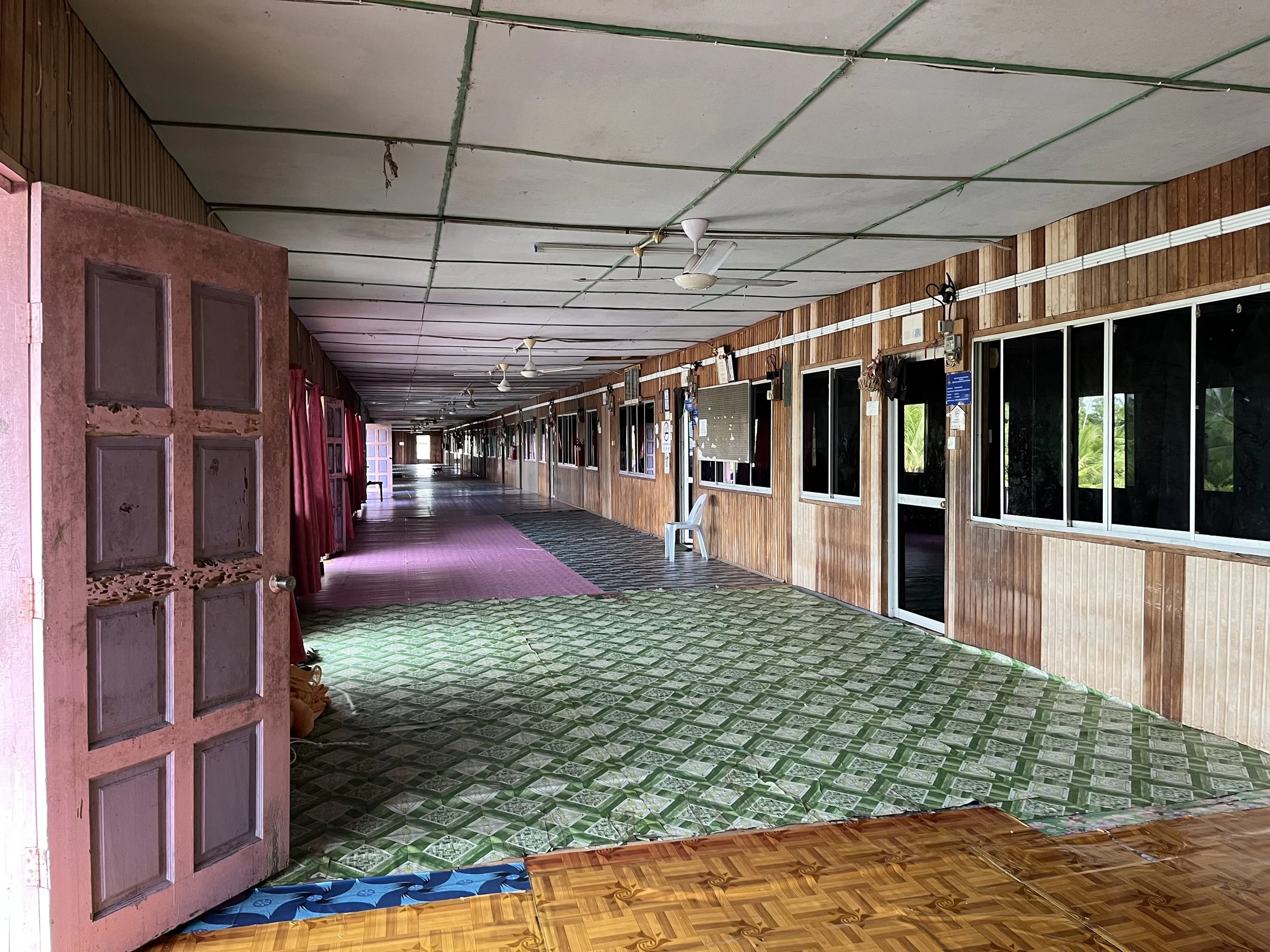
Sarawak’s cultural depth is inseparable from its agricultural systems. Visiting an Iban longhouse, where entire communities live under one roof, was a reminder that food systems are embedded in ceremony, belief, and collective memory—from rice rituals and omens to harvest practices and the passing down of tools across generations.
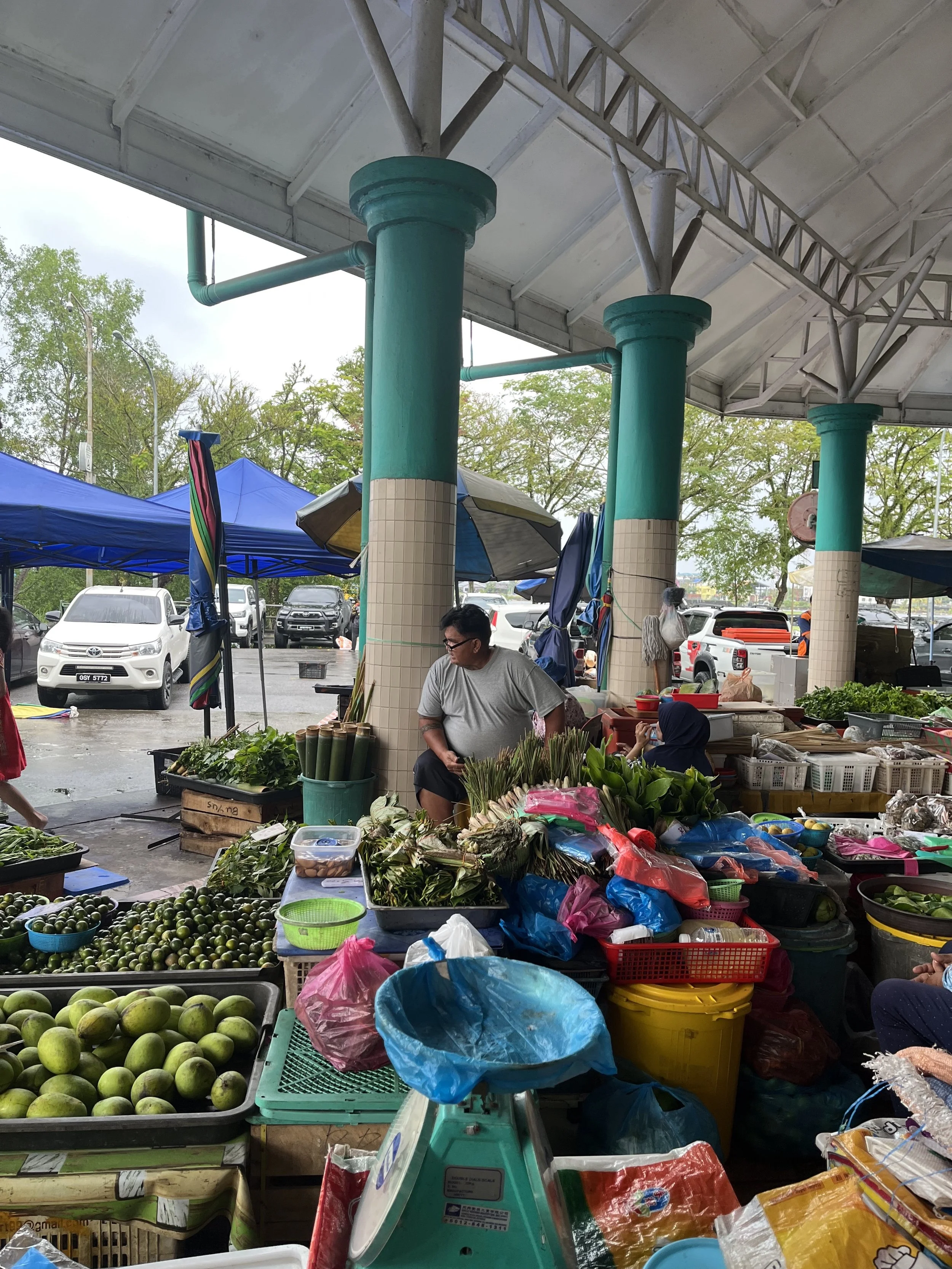
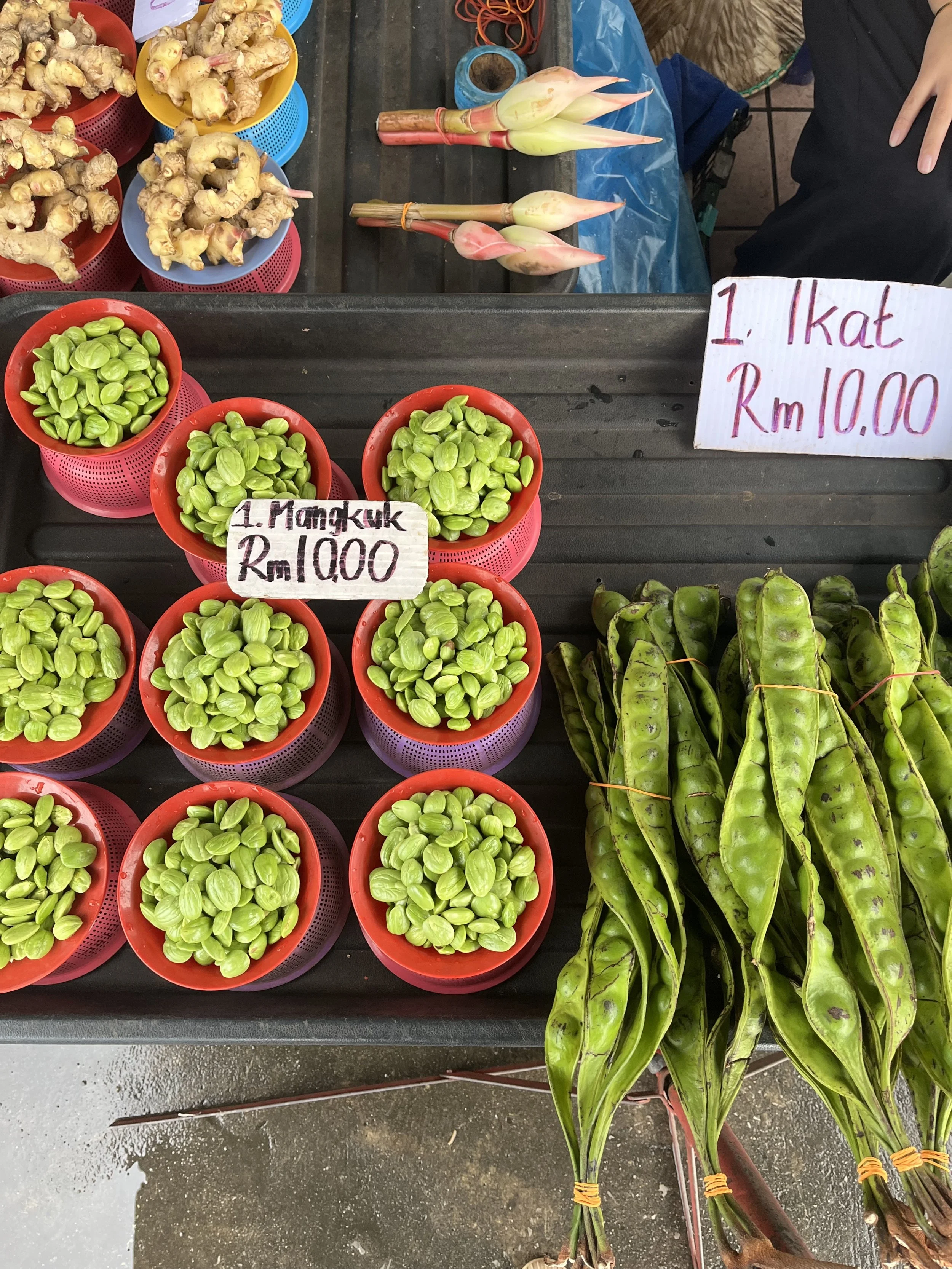
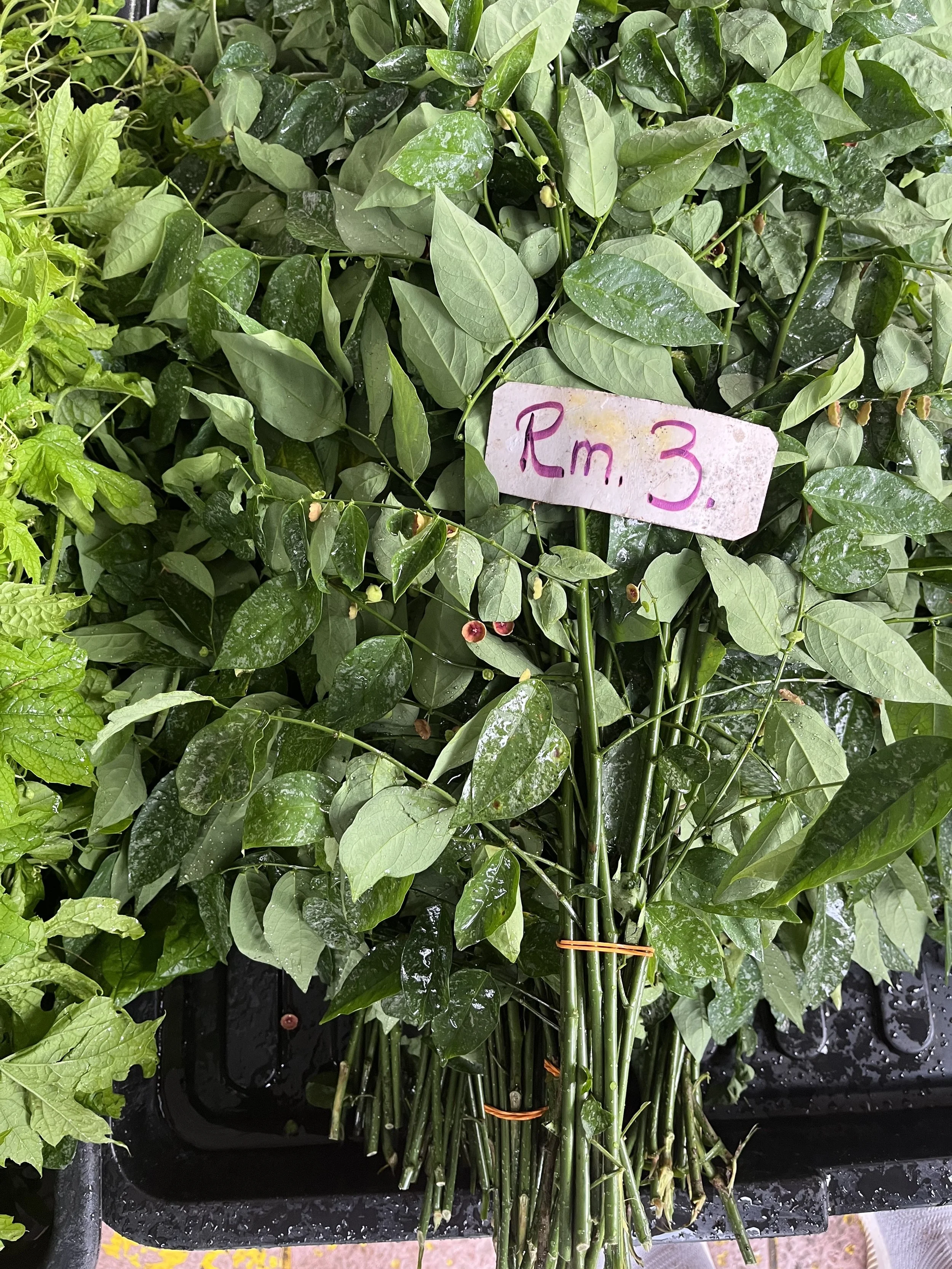
We closed the trip at local farmers’ markets, where produce grown by indigenous communities reflected an extraordinary richness of flavour and biodiversity. As our work with reNature and Dr King continues to take shape in Sarawak and Perak, this combination of careful listening, rigorous assessment, and cultural respect will remain central to the work ahead.